
Introduction
In the case of bacterial infections, various categories of antibiotics – especially synthetic ones – are widely used as broad-spectrum bacteriostatic and bactericidal agents. However, these antibiotics leave residues, have withdrawal effects, and contribute to increasing antimicrobial resistance, highlighting the urgent need for alternative solutions.
Herbs and their essential oils have emerged as promising alternatives. Their dietary incorporation has shown excellent antimicrobial properties due to their phytochemical components, which offer beneficial effects on poultry health and performance. One such herbal combination is CURCUMSHIELD, a synergistic blend of essential oils that acts as a natural antibiotic substitute, handles the respiratory infections and acts as a non-antibiotic growth promoter for the health and nutrition of poultry. Its composition includes turmeric oil and eucalyptus oil as the main active ingredients, while thyme oil, lemon oil, clove oil, and tea tree oil in an aqueous base support and encourage the effective working for optimal results.
Turmeric oil
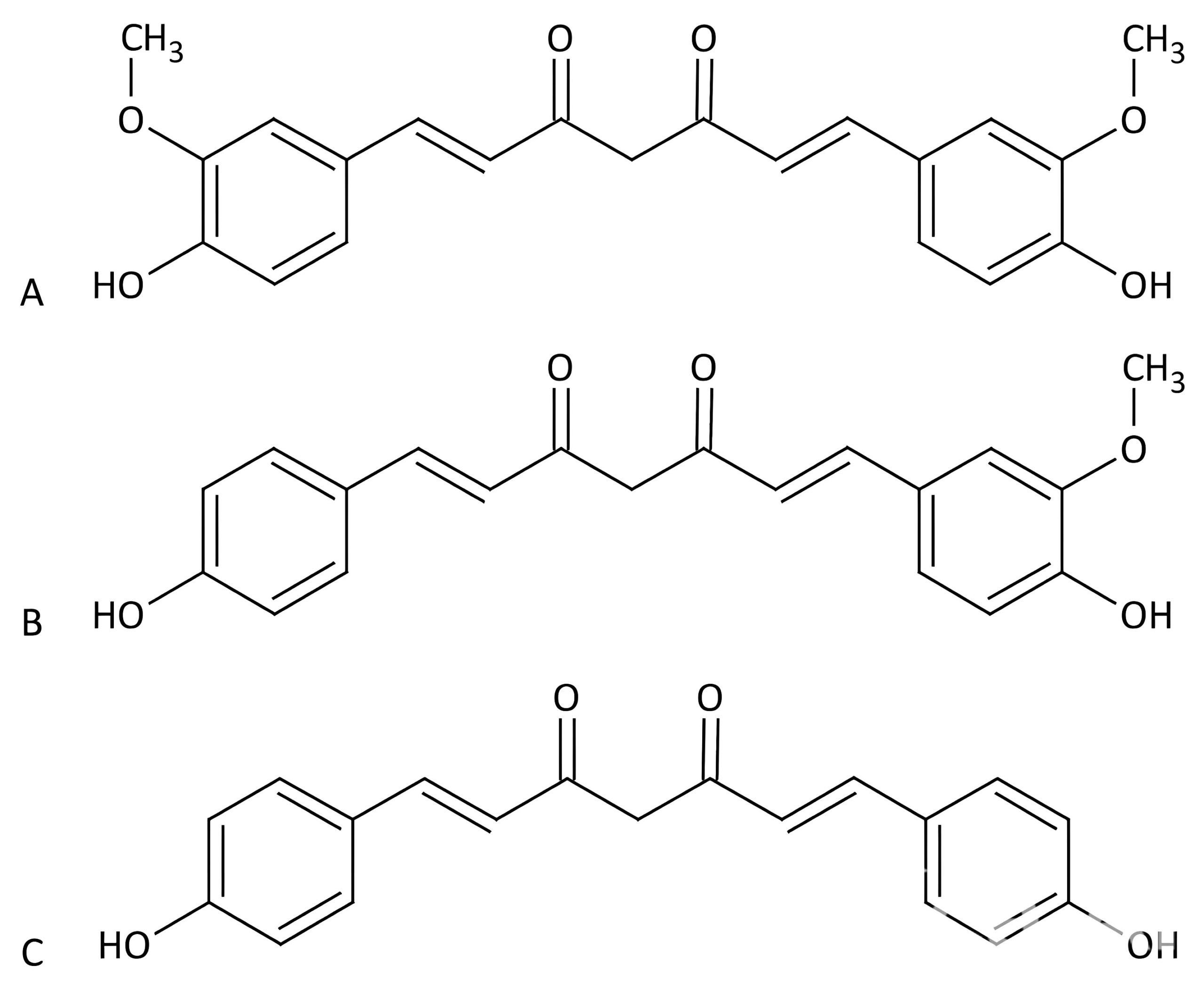
Turmeric oil is a combination of curcuminoids like curcumin, resin oleoresin, and a combination of sesquiterpenoids. It is a natural growth promoter that enhances intestinal morphology and nutrient absorption. The major constituents of turmeric essential oil are turmerone, zingiberene, curlone, curcumene, santalene, santalenone, sesquiphellandrene, ocimene, bisabolene, caryophyllene, phellandrene, 1,8-cineole, α-thujene, α-phellandrene, limonene and oleoresin is the orange-red curcuminoid.
Turmeric oil is an effective adjuvant, mainly used for controlling respiratory disorders. It exhibits anti-inflammatory, antibacterial, antifungal, antihepatotoxic, immunomodulatory, antioxidant, insecticidal, and antiaflatoxigenic properties. Additionally, it helps prevent oxidative stress.
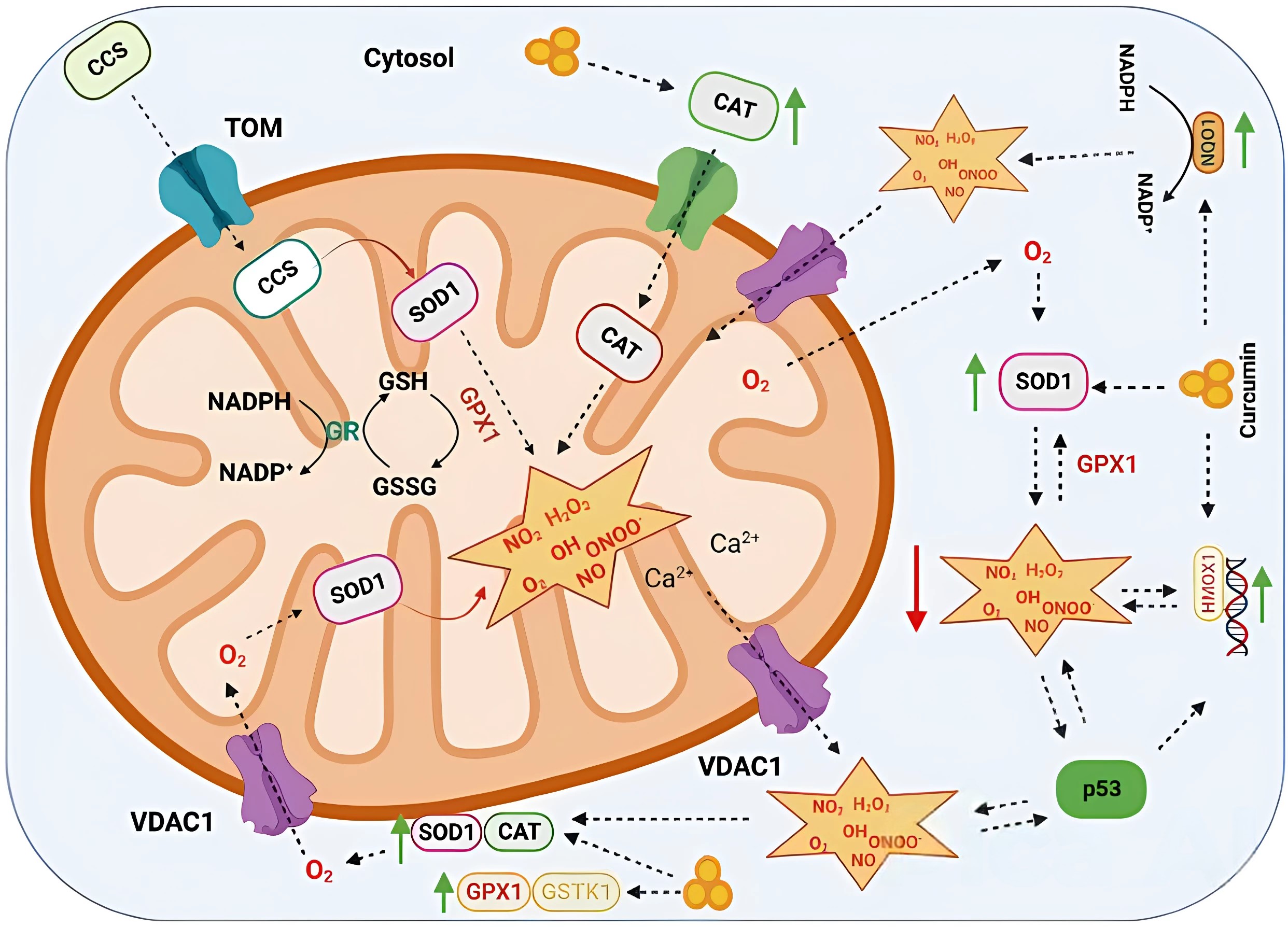
Turmeric oil improves feed intake and lowers cholesterol in poultry products. It is useful for treating wounds, gastrointestinal, liver disorders, and respiratory diseases. Turmeric contains antioxidants, immunomodulatory and digestion-enhancing substances. It has the capability to ameliorate the harmful effects of aflatoxin on the immune system. Its antibacterial action works by disrupting the bacterial membrane and inhibiting the production of bacterial virulence factors. It is insecticidal and insect repelling and has also shown anti-hyperlipidemic, antioxidative and radical scavenging activity. It prevents oxidative stress by reducing the synthesis and release of cortisol, increasing the activity of antioxidant enzymes, and thereby protecting the formation of reactive oxygen species. It has also shown neuroprotective effects by inhibiting free radical generation. Additionally, it has demonstrated strong antifungal and anti-aflatoxigenic activities.
A significant increase in body weight gain is attributed to the strong antioxidant activity of turmeric oil, which stimulates protein synthesis by the enzymatic system. Curcumin’s bright yellow color is due to fat-soluble polyphenolic pigments known as curcuminoids, including demethoxycurcumin and bis-demethoxycurcumin. Curcumin (diferuloylmethane), the primary curcuminoid, has anti-inflammatory, wound-healing, antioxidant, and broad anti-microbial properties, capable of limiting the replication of many different fungi, bacteria, and viruses. It shows antibacterial, antifungal, antiviral, immunomodulatory, antioxidant, hypocholesterolemic properties and is also an effective insect repellent. Curcumin has been identified as the major bioactive compound with a multitude of effects, including antioxidant, anti-inflammatory, antimicrobial, gastroprotective, antiproliferative, and neuroprotective activities. In addition, turmeric oil is another source of bioactive molecules, including ar-turmerone, curlone, and ar-curcumene, which are rich in antioxidant, antibacterial, antiviral, antifungal, antihyperlipidemic, and wound healing properties. Curcumin inhibits the production of bacterial virulence factors and biofilm formation. It also induces oxidative stress in bacteria.
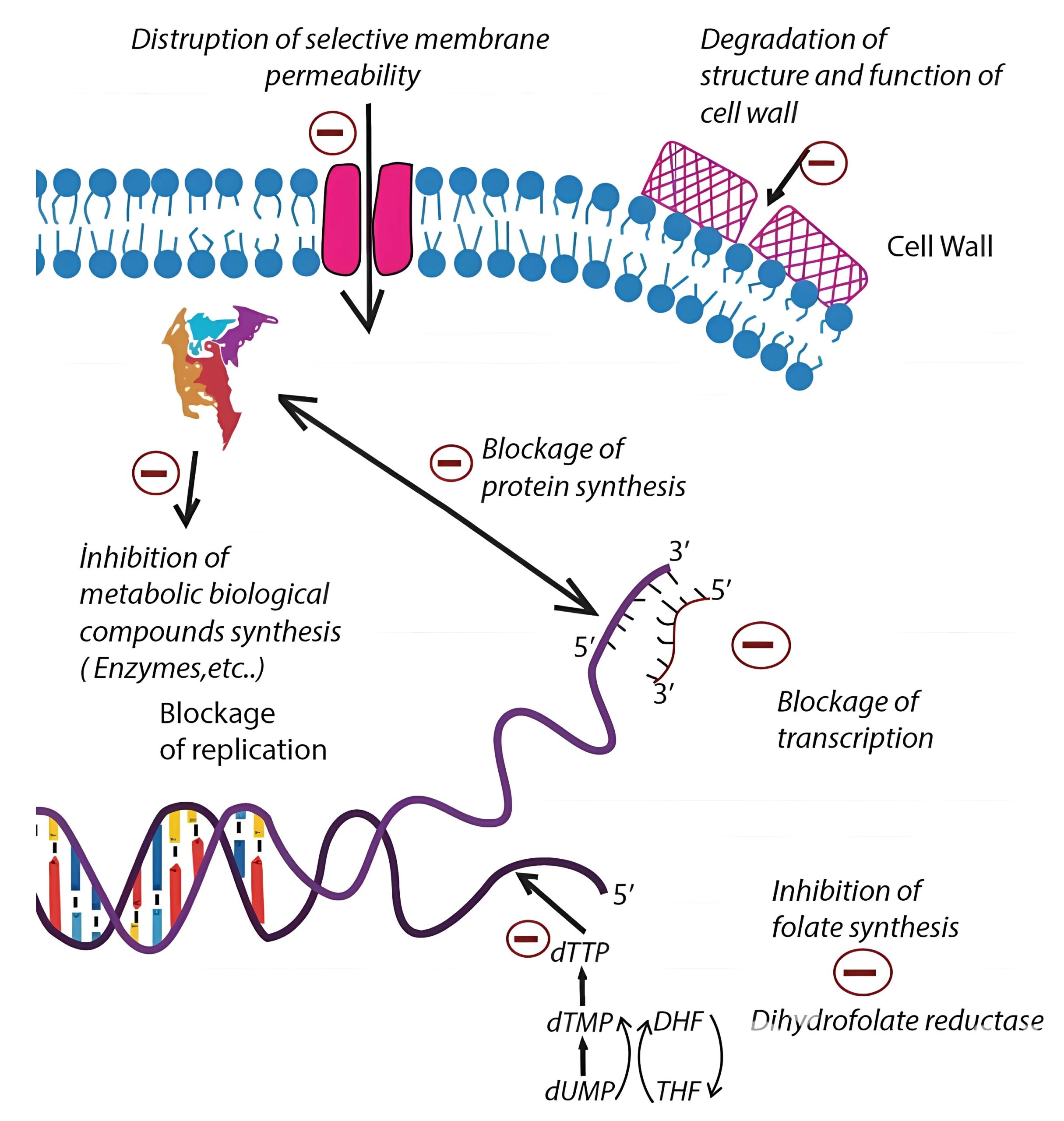
Curcumin can damage the permeability and integrity of bacterial cell membranes in both Gram-positive and Gram-negative bacteria. It reduces inflammation by lowering histamine levels and possibly increasing the production of natural cortisone. Curcumin’s lipophilic structure allows it to insert into bacterial cell membranes, damaging their integrity and permeability. This leads to bacterial cell death.
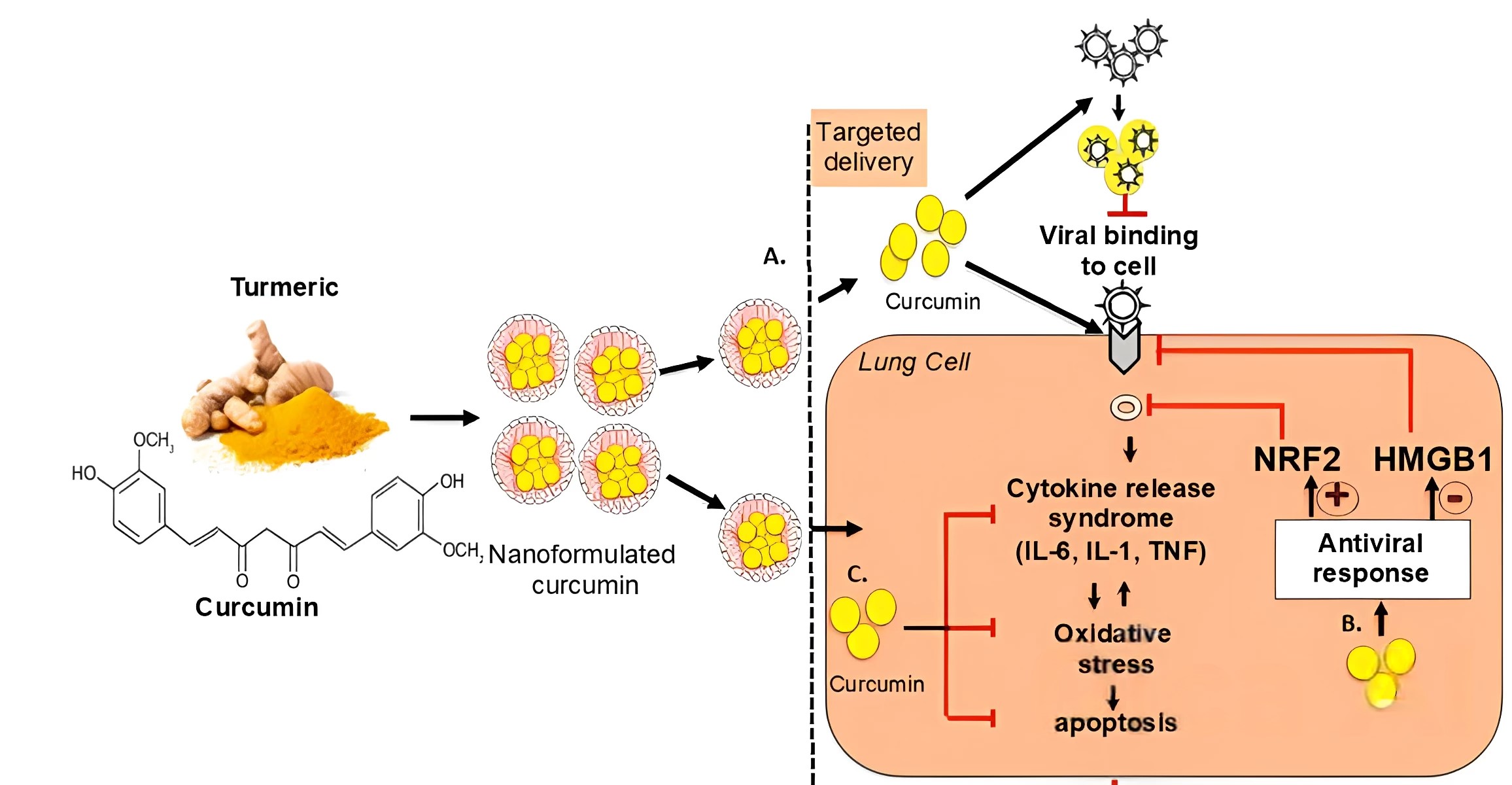
Curcumin can inhibit viral replication by affecting the function of several viral proteins, including viral integrase, protease, and the trans-activator of transcription (Tat) protein. Curcumin can inhibit the activation of inflammatory cytokines. It also has a direct ability to inactivate viruses or inhibit their attachment to cells. Incubation with curcumin has been shown to reduce virus binding to cells and inhibit viral protease activity. Curcumin treatment also led to actin filament disorganization and defects in polymerization, a process that is naturally important for viral entry and replication. Curcumin may alter the conformation of viral surface glycoproteins, thus preventing viral attachment.
Curcumin also inhibits NF-κB signalling, which is required for viral replication. It inhibits the nuclear export of the viral nucleoprotein, thus preventing viral assembly, including entry, replication, and exit.
Curcumin reduces the ability of viruses to infect cells, which is thought to be due to its ability to bind to and inhibit the action of surface glycoproteins on the virus. It also reduces viral genome copy numbers within infected cells, indicating that it can inhibit virus replicationby reducing viral RNA expression, protein synthesis, and virus titer.
Curcumin exerts antiviral activity against enveloped viruses through multiple mechanisms, such as direct interaction with viral membrane proteins, disruption of the viral envelope, inhibition of viral proteases, and modulation of host factors, including the NF-κB, NRF2, and HMGB1 pathways.
Ar-turmerone is also a potent anti-inflammatory agent; it inhibits the production of inflammatory cytokines. Xanthorrhizol possesses antioxidant, anti-inflammatory, antitumoral, hepatoprotective, neuroprotective, nephroprotective, estrogenic, and antibacterial properties. Another component of turmeric oil consists mainly of sesquiterpenes, which have a wide range of bioactivities, including anti-inflammatory, antioxidant, antifungal, and antimicrobial properties. Significantly heavier bursa and higher spleen weights are observed; these are primary lymphoid organs that play a key role in enzymatic maturation and the acquisition of immunological competence.
Eucalyptus oil
Eucalyptus contains volatile essential oils, including 1,8-cineole, p-cymene, α- and β-pinene, limonene, citronellal, citral, eudesmol, terpinen-4-ol, terpineol, α–phellanderene and 9β-sitosterol. Among these compounds, 1,8-cineole is the most active. Monoterpenes (p-cymene, a-pinene, a-limonene) and the sesquiterpene aromadendrene are also present. Others components include citronellol, citronellyl acetate, eucamalol, linalool, γ-terpinene, and α-terpineol, all of which have specific functional activities, as well as hydrocyanic acid. The flavonoids and phenolic compounds exhibit strong anti-oxidative, anti-inflammatory, and immunomodulatory properties. Meanwhile, secondary metabolites such as terpenoids, alkaloids, and saponins contribute to the defense mechanism and also possess antibacterial properties.
Eucalyptus oil’s antibacterial activity is predominantly due to eucalyptol (1,8-cineole), which demonstrates strong antimicrobial activity against many pathogens, making eucalyptus a natural antiseptic and an effective antibacterial agent against respiratory tract infections. Phenolic compounds exert protective effects against oxidative stress and inflammation, playing a critical role in both illness prevention and treatment. An imbalance between free radical generation and insufficient antioxidant defenses leads to oxidative stress, resulting in DNA or tissue damage. Eucalyptus oil has a stronger antioxidant effect than ascorbic acid. Unlike ascorbic acid, which contains only one molecule, essential oils include several significant terpenoids in addition to phenolic compounds.
Eucalyptus oil is effective against a wide range of bacteria, including both Gram-positive and Gram-negative species. It also possesses anti-inflammatory, antioxidant, analgesic, and spasmolytic properties. It can be used to reduce pain, swelling, and inflammation and serves as an adjuvant for controlling respiratory problems such as influenza and coryza. Additionally, eucalyptus oil has broad-spectrum insecticidal effects.
Eucalyptus oil’s antibacterial properties stem from its ability to disrupt cell walls and membranes, which lead to bacterial cell leakage. Its hydrophobic nature increases cell permeability, further contributing to bacterial cell leakage. This interaction between the oil’s hydrophobic components and the lipids in the microorganism’s cell membrane results in metabolic damage and cell death. Meanwhile, 1,8-cineole shows anti-inflammatory properties by reducing cytokines that cause inflammation. Hydrocyanic acid contributes to pain and swelling reduction, has anti-inflammatory effects, and also acts as an immune modulator.
Thyme oil
Thyme (Thymus vulgaris) improves the health and nutrition of poultry and serves as an alternative to antibiotics, acting as a non-antibiotic growth promoter with antimicrobial properties. The phytochemicals in thyme include geraniol, linalool, γ(gamma)-terpineol, carvacrol, thymol, and trans-thujan-4-ol/terpinen-4-ol. The major components are p-cymene, γ-terpinene, thymol, and carvacrol. Its medicinal properties are mainly attributed to its essential oil content, particularly thymol, p-cymene, and carvacrol.
Thymol and carvacrol significantly inhibit both Gram-positive and Gram-negative bacteria, viruses, and fungi. They are effective in treating respiratory pathogens such as Haemophilus influenzae, Staphylococcus aureus, and Streptococcus pyogenes, and show strong inhibitory activity against strains of Klebsiella pneumoniae, Pseudomonas aeruginosa and Staphylococcus saprophyticus. Additionally, they can be used to treat biofilm infections.
Thymol and carvacrol are bioactive compounds with antioxidant properties. They can help with growth performance, feed intake, and weight gain while strengthening the immune system. Furthermore, they improve digestive health by enhancing the secretion of digestive enzymes and reducing the prevalence of harmful pathogens like Salmonella and E. coli.
Lemongrass oil
Lemongrass (Cymbopogon) can be used as a natural growth promoter instead of antibiotics. It contains compounds such as flavonoids, phenolic compounds, terpenoids, and essential oils, which provide antibacterial, antidiarrheal, antifungal, and antioxidant properties. It has been shown to improve weight gain, feed conversion ratio, blood parameters, immunity, and gut health in poultry.
The phytochemical composition of Cymbopogon oil includes monoterpenes such as citral, citronellal, citronellol, geraniol, limonene, linalool, elemol, b-carophyllene, 1,8 cineole, methylheptenone, geranylformate, and geranyl acetic acid derivatives. Other compounds include alcohols, aldehydes, ketones, esters, flavonoids, alkaloids, saponins, tannins, and phenolic compounds.
Cymbopogon oil has many potential therapeutic applications, including anti-amoebic, antibacterial, antidiarrheal, antifungal, anti-inflammatory, antimycobacterial, and antioxidant effects. It is also used as an antispasmodic, hypotensive, anticonvulsant, analgesic, antiemetic, antitussive, antirheumatic, and antiseptic as an antispasmodic, hypotensive, anticonvulsant, analgesic, antiemetic, antitussive, antirheumatic, and antiseptic. Additionally, it is beneficial in the treatment of nervous and gastrointestinal disorders and fevers. It inhibits bacterial growth and possesses strong antimicrobial efficacy against pathogenic bacteria and fungi.
Clove oil
Syzygium aromaticum (clove) contains a variety of phytochemicals, including flavonoids, tannins, alkaloids, terpenoids, phenols, anthocyanins, gallic acid, ellagic acid, glycosides, isoquercetin, kaempferol, myricetin, saponins, cardiac glycosides, phytosterols, steroids, sesquiterpenes, monoterpenes, hydrocarbons, and phenolic compounds. Eugenol, the main compound in clove oil, has numerous biological activities, including antioxidant, antibacterial, antifungal, and anti-inflammatory properties. As a natural growth promoter, it can be used as an oral antibiotic to preserve poultry meat, control eggshell contamination, and sanitize hatching eggs. It also enhance digestive secretions and nutrient absorption, reduces pathogenic stress in the gut, and boosts the animal’s immune system.
Clove oil has antiseptic properties and can stimulate appetite and digestion. It exhibits strong antibacterial properties and has been shown to improve the feed conversion ratio. Additionally, it acts as topical analgesic. Clove oil can inhibit the synthesis of extracellular polysaccharides in biofilms, which can destroy the biofilm barrier and cause the loss of bacterial metabolic activity.
Clove oil and its main component, eugenol, can inhibit Gram-negative bacteria like E. coli, Salmonella, and Pseudomonas aeruginosa, as well as Staphylococcus aureus. Clove extract increases oxidative stress and membrane permeability in these bacteria.
Tea tree oil
Tea tree oil (Melaleuca alternifolia) is a broad spectrum antimicrobial agent that helps reduce exposure to pathogens and stress during poultry production. It has acaricidal properties, improves antioxidant status, and mitigates oxidative damage. Tea tree oil contains several compounds, including a mixture of terpenes, aldehydes, esters, alcohols, and other chemical molecules such as terpinen-4-ol, that can destroy certain bacteria, viruses, and fungi.
Tea tree oil’s germ-fighting properties make it a valuable natural remedy for treating bacterial and fungal conditions, preventing infection, and promoting healing. It alters the permeability and integrity of the bacterial cell membranes, leading to a loss of chemiosmotic control and inhibition of respiration. Tea tree oil can alleviate inflammation, improve nutrient utilization, promote broiler growth, increase daily weight gain, enhance intestinal morphology, and regulate immunity.
Its ability to inhibit respiration and induce physical and morphological changes in the cell membranes and walls of E. coli increases membrane permeability, suggesting that its lethal effects primarily result from disrupting membrane-located metabolic events and chemiosmotic control. Additionally, tea tree oil stimulates autolysis in E. coli cells, causes potassium ion leakage, inhibits respiration, and leads to cytoplasmic coagulation.
Conclusion
This natural, non-antibiotic, growth promoter and enhancer of health and nutrition of poultry acts as an important agent that inhibits various infections without causing side effects or resistance, thanks to its interaction with gut microbiota. It stimulates feed intake, ensures good growth and production, and effectively controls many zoonotic pathogens.
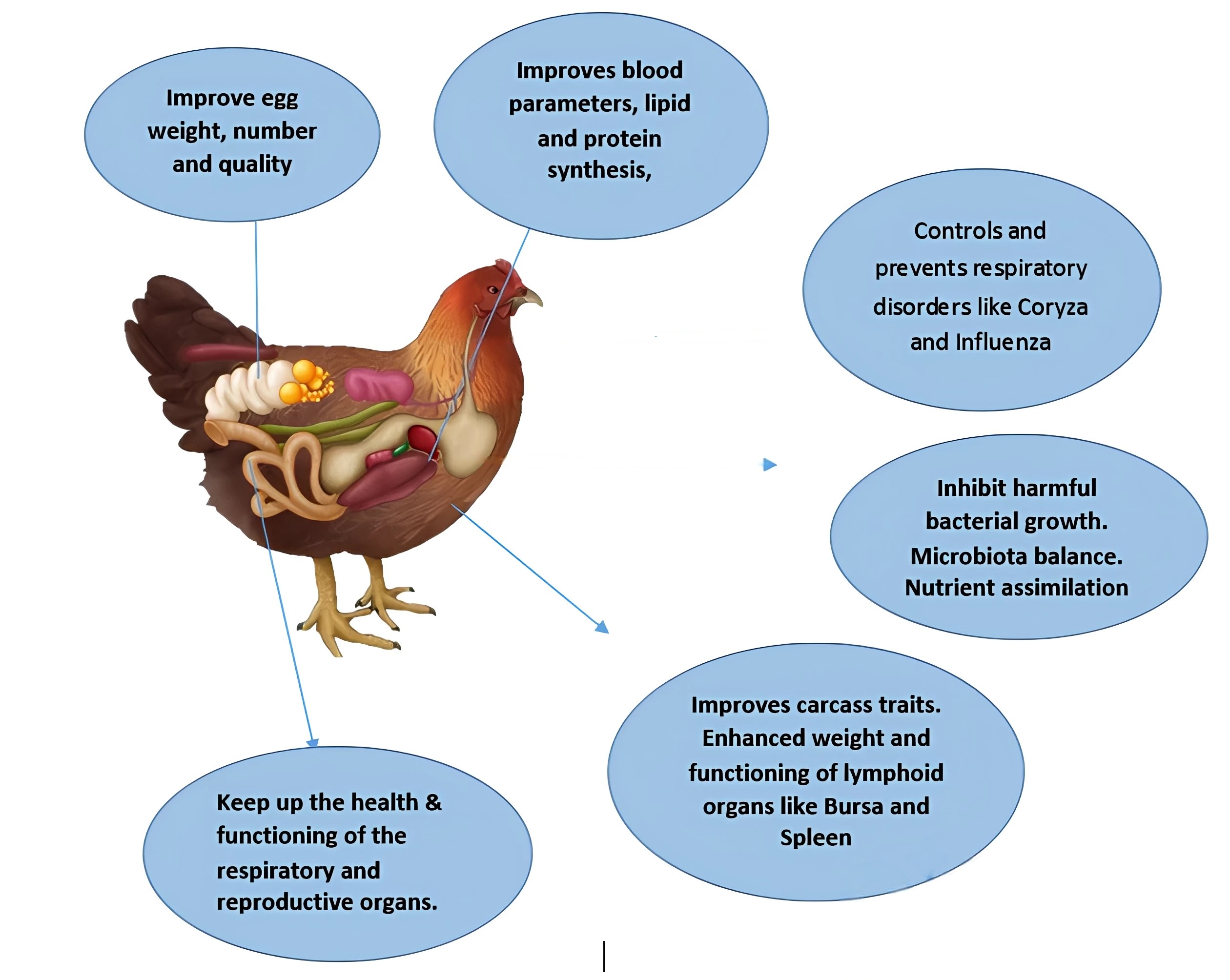
The synergistic herbal alternative mix as CURCUMSHIELD has proven to be a broad-spectrum alternative to synthetic antibiotics. It operates through a multi-faceted mechanism: first, it interferes with the pathogenic cell wall and nucleic acid synthesis. It also inhibits protein synthesis, nucleic acid synthesis, membrane function, ATP and complete metabolic pathways. While these herbal compounds have a positive effect on poultry, their bioactive components efficiently enhance feed utilization, improve digestive enzymes secretion, and stimulate gut immunity, with antimicrobial and antioxidant activities. Strengthening immunity helps deter pathogenic organisms, leading to faster recovery, increased resistance, and overall disease prevention.