

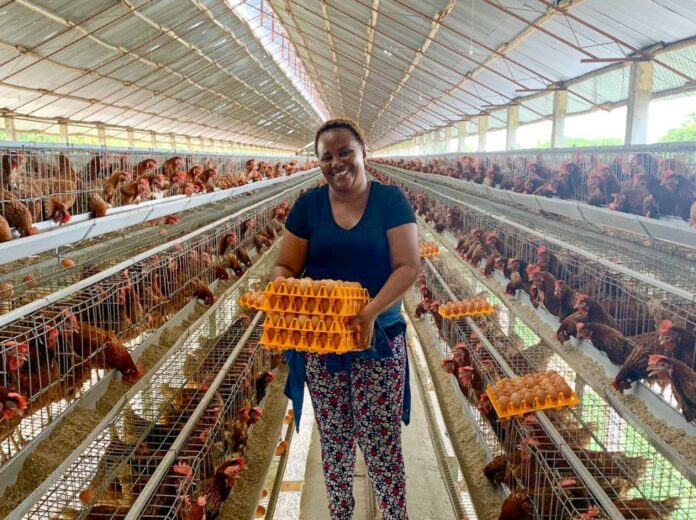
The standard, TBS/AFDC 9 (2942) DTZS, was released in May 2025 with the approval of the Tanzania Bureau of Standards’ (TBS) Board of Directors. It outlines specific requirements, sampling methods, and test procedures for poultry feed concentrates used in the production of compounded poultry feeds.
TBS stated that the new standard applies to concentrates for various chicken and turkey feed types, including “chicks and poults, growers, broilers—starters and finishers, layers, and breeders.”
“The expansion of the poultry industry in Tanzania has resulted in a corresponding increase in poultry feed demand and production,” TBS said in a statement. The Bureau noted that the use of concentrates in compounded poultry feeds “has become popular among feed millers to mitigate the shortage of poultry feeds. Therefore, it is necessary to prepare this standard, laying down specifications for poultry feed concentrates to guarantee the safety and quality of compounded poultry feeds produced and/or traded in Tanzania”.
The new standard includes provisions to ensure high-quality poultry feeds by requiring that concentrates comply with specific criteria related to additives, hygiene, contaminants, sampling, testing, packaging, marking, and labeling. Among these specifications is a recommendation that feed makers ensure additives do not include antioxidants other than those approved by TBS. “All ingredients and raw materials shall not be decomposed or deteriorated and shall comply with the relevant Tanzania standards,” TBS added.
Some of the approved feedstocks include common ingredients such as maize, maize bran, maize/cob meal, rice bran, cassava meal, molasses, millet, sorghum, fish meal, blood meal, cottonseed cake, soybean meal, limestone, oyster shells, wheat pollard, wheat bran, sunflower cake, groundnut cake, rice polishings, bone meal, and dicalcium phosphate, among others. “Where soybean meal is used, it shall have been subjected to adequate heat treatment to reduce the activity of trypsin inhibitor,” the standard states. Other provisions include sterilization of ingredients of animal origin and the requirement that vitamin preparations added to feed be in stabilized form.
“Urea or any other nitrogenous substances shall not be added to or included in any poultry feed concentrate, except for true protein and amino acids as required in this standard,” adds the standard. It also emphasizes that poultry feed concentrates shall be assessed based on the ingredients used and the processing procedure applied, and recommends that “the formulation matrix be maintained to accurately reflect the appropriate nutritional values of all ingredients used.” The concentrates must also be free from harmful substances such as metallic objects and adulterants, as well as from fungi, pathogenic microorganisms, and insect infestation.
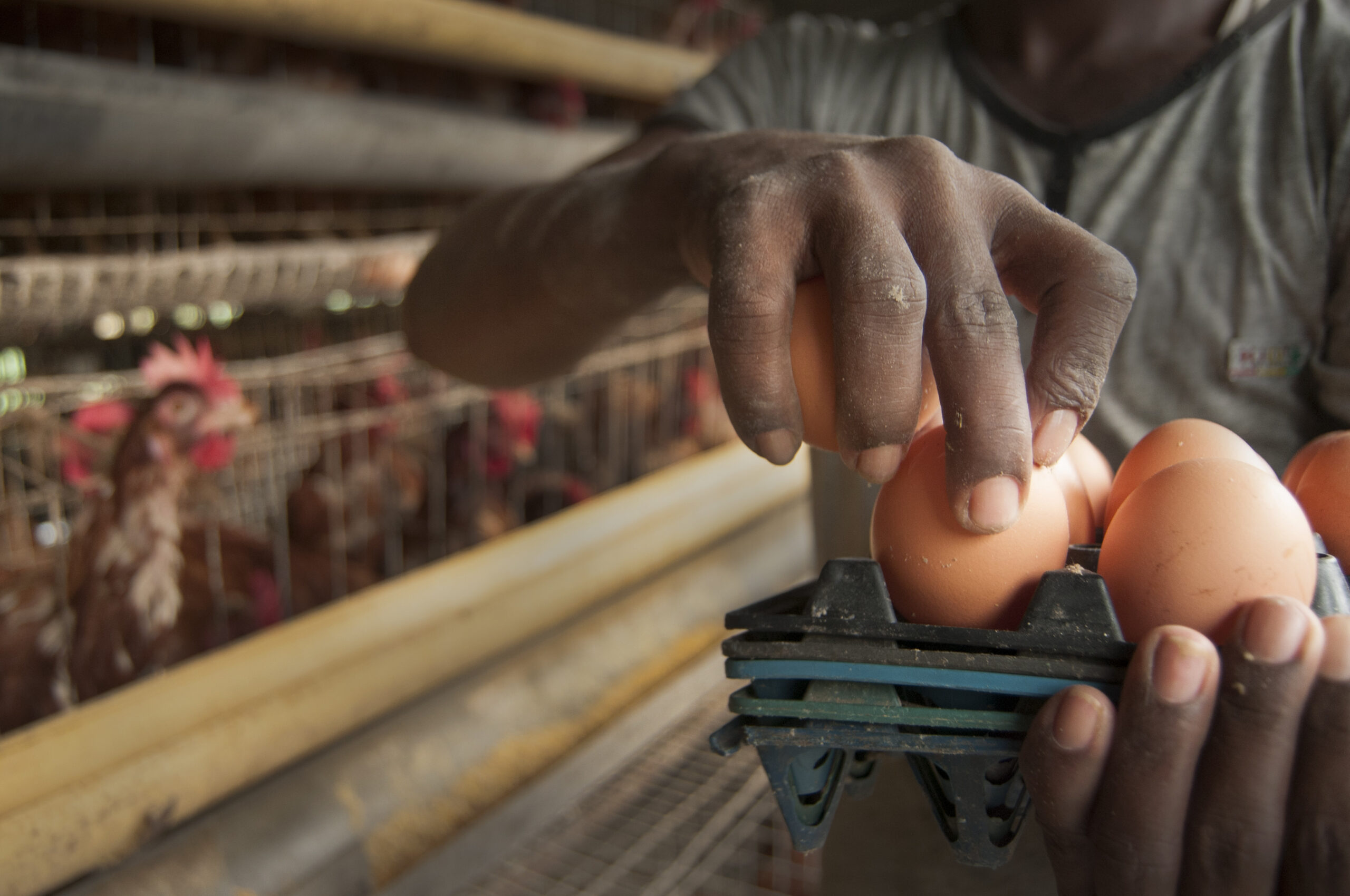 The release of the specifications for poultry feed concentrates coincides with a surge in Tanzania’s poultry numbers and increasing demand for poultry feed, a trend driven by the growth of the industry. Tanzania, where over one-third of the population is involved in agriculture—78% of whom are engaged in poultry farming—has now overtaken Kenya and Uganda to become East Africa’s fastest-growing poultry market, expanding at an estimated 5% annually and currently valued at approximately US$403 million, according to statistics from the UN’s Food and Agriculture Organization (FAO).
Government reports estimate that Tanzania is home to 38.5 million indigenous chickens and 40.6 million layers and broilers, which are driving demand for commercial poultry feed beyond 1.5 million tons per year. This demand is projected to rise to 18.1 million tons by 2050, with chicken expected to remain the country’s primary source of animal protein.
The growing demand for poultry feed concentrates—currently produced by at least 105 feed mills in the country—is expected to increase the consumption of key cereals such as maize, rice, wheat, cottonseed, sorghum, soybean, sunflower, and cassava.
For instance, Tanzania’s Ministry of Livestock and Fisheries reports that the country needs more than 400,000 tons of soybeans annually to support its livestock and poultry industries—a figure far exceeding national production, which ranges between 10,000 and 20,000 tons. As a result, both the government and private sector rely on expensive imports to meet demand.
Furthermore, Tanzania depends heavily on maize for poultry feed production, creating a business opportunity for local farmers. However, recent official projections indicate a decline in maize production, which may affect the availability and pricing of poultry feed and concentrates.
According to the US Department of Agriculture (USDA), Tanzania’s maize production for the 2025/2026 marketing year is expected to drop by 200,000 metric tons, or about 3%, reducing total output to 6.8 million metric tons. “The decline is largely attributed to factors such as below-average rainfall during the short rains season (October–December 2024), untimely distribution of government-subsidized certified seeds and fertilizer, pest infestations (e.g., Fall Armyworm), and a reduction in harvested area,” the USDA report states. The USDA also forecasts that maize consumption in Tanzania “is projected to decrease by approximately 5%, reaching around 5.8 million metric tons, down from 6.1 million metric tons the previous year, due to reduced local production.”
Although the new standard on poultry feed concentrates is expected to enhance feed quality and boost overall industry performance, Tanzania will still face challenges related to low domestic feed production and continued reliance on imported raw materials like soybeans and maize. However, according to a report by the Netherlands’ East Africa Office, local farmers could take advantage of “the latest agricultural technologies to increase maize and soya production and drive commercialization of these crops,” thereby boosting domestic poultry feed manufacturing.