
Dietary protein accounts largely for most of broiler feeding costs which in return shrink revenue if protein is not used efficiently. Tuning dietary protein to poultry performance is not only essential to maximize profits but also to lower nitrogen emissions from poultry barns. So, matching protein intake to broiler metabolic amino acid requirements can then benefit farmer’s wallet while producing more environmentally sustainable production.
Key promoters of muscle accretion
Current meat chickens are genetically prone to achieve a fast, lean growth rate in a few weeks due to accelerated muscle development. The higher the metabolic pressure for muscle growth, the greater the need for dietary crude protein (CP) for maintenance and development (and vice versa). Thence, feeding well-balanced diets to broilers is essential to support protein synthesis necessary for muscle gain. In the case of growing broilers, their demand for dietary protein is remarkable during the first weeks of life at 23% CP, lowering to 18% CP during finishing due to higher daily feed intake. Protein recommendations also differ across genetic backgrounds to achieve line-specific performance objectives. Recommended protein content can range from 15% CP for slow-growing broilers to 21.5% CP for fast-growing broilers due to different growth curves. Still, going beyond their metabolic recommendations will not further support muscle development beyond genetic constraints.
Beside crude protein content, amino acid concentration and their balance is paramount to attain fast, muscle growth in broilers. Upon digestion, dietary proteins are broken down into peptides and amino acids for absorption and, once inside, these amino acids are assembled for protein synthesis. Proteins are 3D structures made of certain amino acids, and protein synthesis can collapse if specific amino acids are missing, acting as limiting nutrients to reach performance objectives. In fact, poultry cannot synthesize some amino acids (e.g., lysine) which need to be acquired regularly through diet to support proper functioning and performance, therefore so-called essential amino acids.
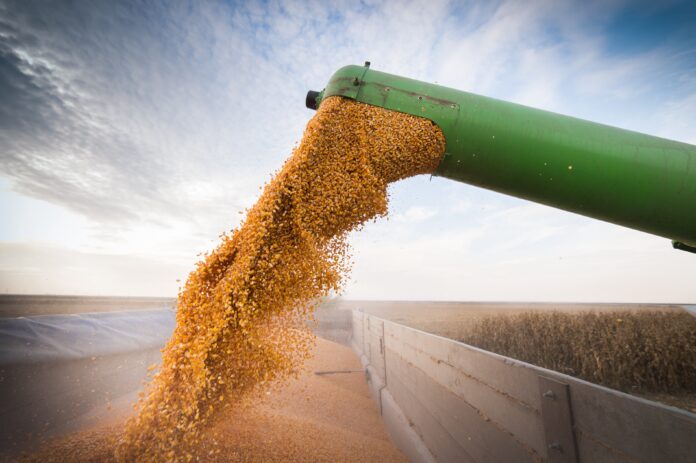
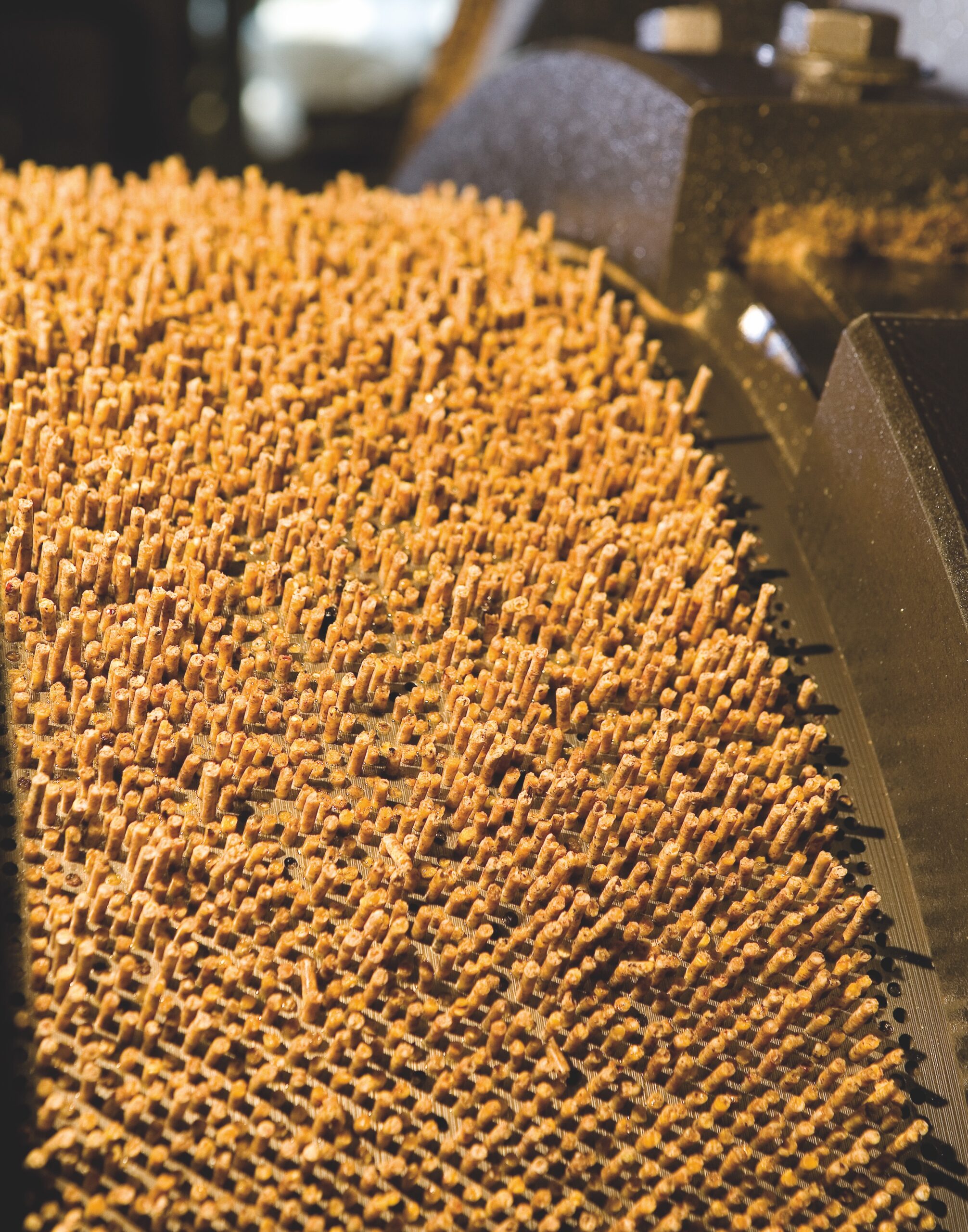 Suboptimal concentration of essential amino acids (and their ratio) can halt protein synthesis, growth rate, and feed efficiency regardless of crude protein intake. Grain-based diets (wheat, barley, oats, corn) mixed with protein-rich ingredients (legumes) can boost dietary crude protein levels yet being deficient in essential amino acids for poultry because of inadequate amino acid balance. Thus, broiler diets are often supplemented with essential amino acids to meet requirements resulting in a well-balanced diet with greater nutritional value. For current fast-growing broilers, research over the last decade supports that lysine concentration can be a limiting nutrient for breast yield and dietary amount of this essential amino acid (and its ratio to other amino acids) should be closely monitored to breed nutrient specifications and feed intake. Despite adding cost to poultry diets, inclusion of essential amino acids should be seen as an investment to safeguard adequate amino acid balance for broiler performance.
Matching dietary amino acids to metabolic requirements
Once daily metabolic needs of dietary amino acids are met (for protein digestibility, maintenance, and muscle growth), extra amino acids are discarded and metabolized into carbohydrates and fatty acids. So, exceeding protein content and essential amino acid concentration beyond broilers’ metabolic needs can be cost-efficient due to high feeding cost for same performance outcomes. Certainly, broiler performance does not improve when CP content is increased above 20% in finisher diets and can be metabolically demanding for birds to get rid of extra amino acids in the blood.
Dietary protein content should be then viewed as a reference value to satisfy non-essential amino acids while checking feed protein quality (amount, balance, and digestibility of essential amino acids) and to supplement diets with essential amino acids as needed. Particularly since birds fed low crude protein diets can convert essential amino acids into non-essential if the latter ones become limiting nutrients for body functions (which is also cost-effective and disadvantageous). Feed formulation based amino acid requirements is therefore suggested to lower CP and boost performance. However, balancing the economic cost of ingredient selection and carcass price is also important when it comes to weighing protein source, dietary level, and amino acid supplementation.
Attaining protein efficiency
Maintaining adequate levels of protein and amino acid intake is essential for maintaining and developing muscle mass while going above metabolic needs is expensive, inefficient, and less environmentally friendly. Unnecessary amino acids are broken down to urea and then converted to uric acid for excretion which degrades to ammonia in litter. This leads to greater concentration of ammonia in poultry barns which can become a risk for respiratory diseases and other health disorders in broilers and staff. Indeed, best management practices for broilers suggest that a 1% crude protein cut (while maintaining essential amino acid requirements) can lower ammonia emissions by 10–20% without side-effects on broiler performance.
Moving away from high-protein diets towards just the right amount of protein and amino acids can be a practical feeding strategy to maximize broiler protein efficiency (how much protein goes in vs out). In line with this, phase-feeding can help match dietary protein and amino acids to metabolic requirements as daily feed intake increases with age. Keeping this concept of protein efficiency in mind can help broiler producers reduce protein waste, mitigate nitrogen footprint, improve litter and air quality (and health-related problems), and cut feeding expenses while maintaining high-yielding performance outcomes.