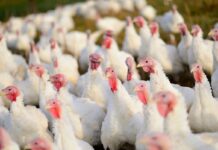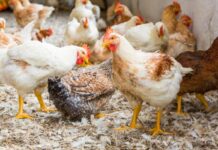

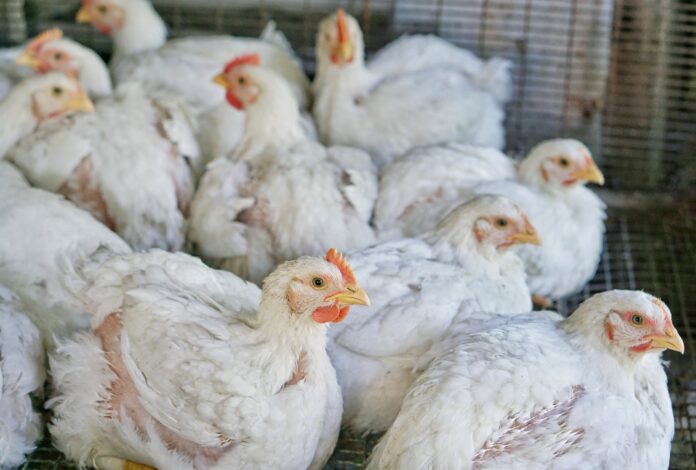
Since 1970, Thailand’s chicken industry has grown remarkably, evolving from backyard farms into one of the world’s most modern broiler production sectors. Today, Thailand ranks as the seventh largest chicken meat producer globally.
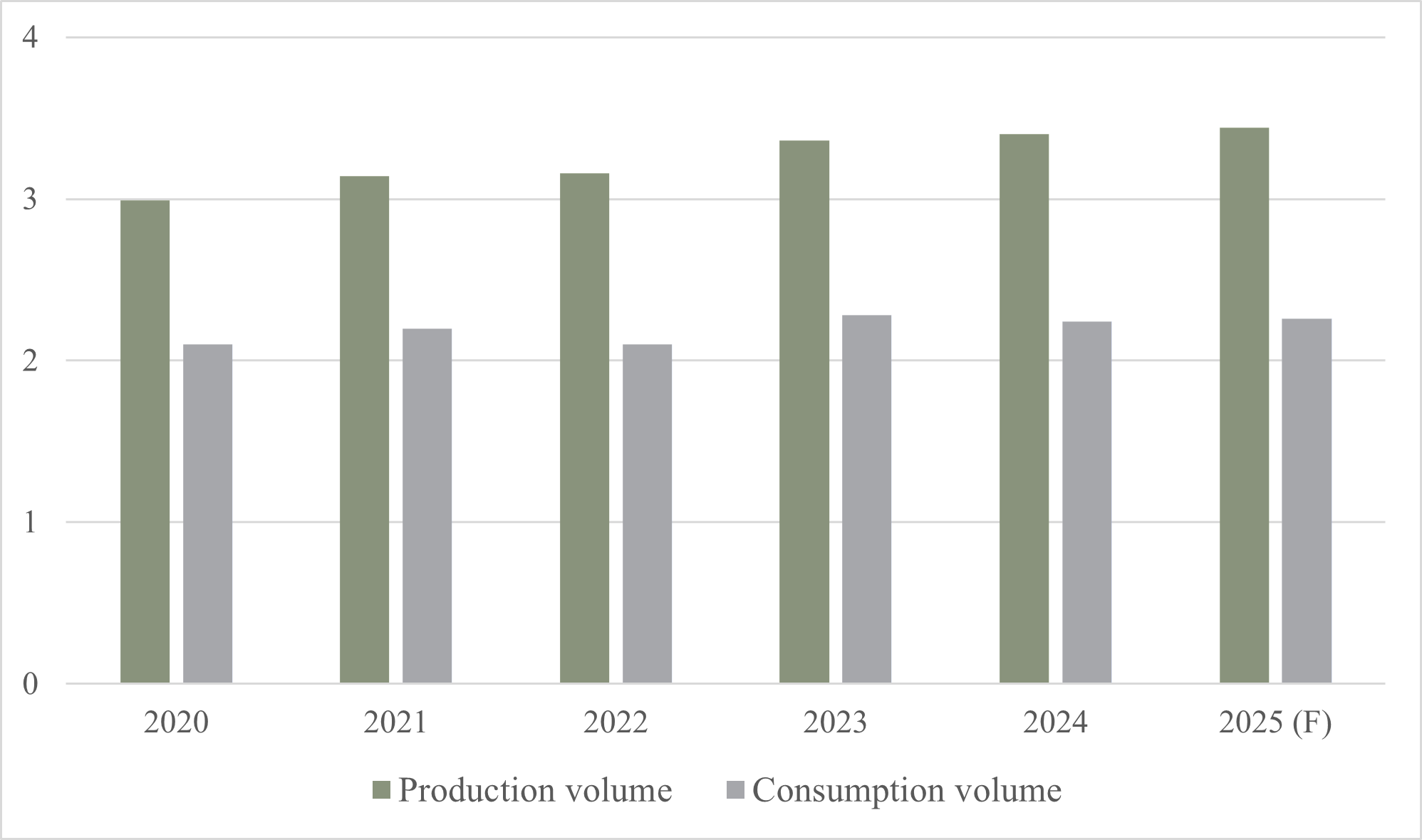
According to the Thai Office of Agricultural Economics, chicken meat production in Thailand is forecast to reach 3.44 million tons in 2025, a 1.3% increase from the previous year.
Over 65% of production is consumed domestically, while the remaining 35% is exported. In 2024, local broiler consumption reached 2.24 million tons. Chicken meat is now Thailand’s third-largest agricultural export. Thai producers enjoy a competitive edge by offering tailor-made cuts and products. Key strengths include a standardized production system, strong disease control, and advanced processing techniques.
There are 1,252 legal enterprises in the chicken product manufacturing sector. Around 80% are small-scale operations, while 20% are medium and large enterprises. However, small-scale farmers contribute only about 10% of broiler production. The remaining 90% comes from large-scale operators that integrate upstream and downstream activities, running their own farms and engaging contract farmers. Major players include Charoen Pokphand Foods, Betagro, Thai Foods Group, GFPT, FM, and CFARM.
Export market
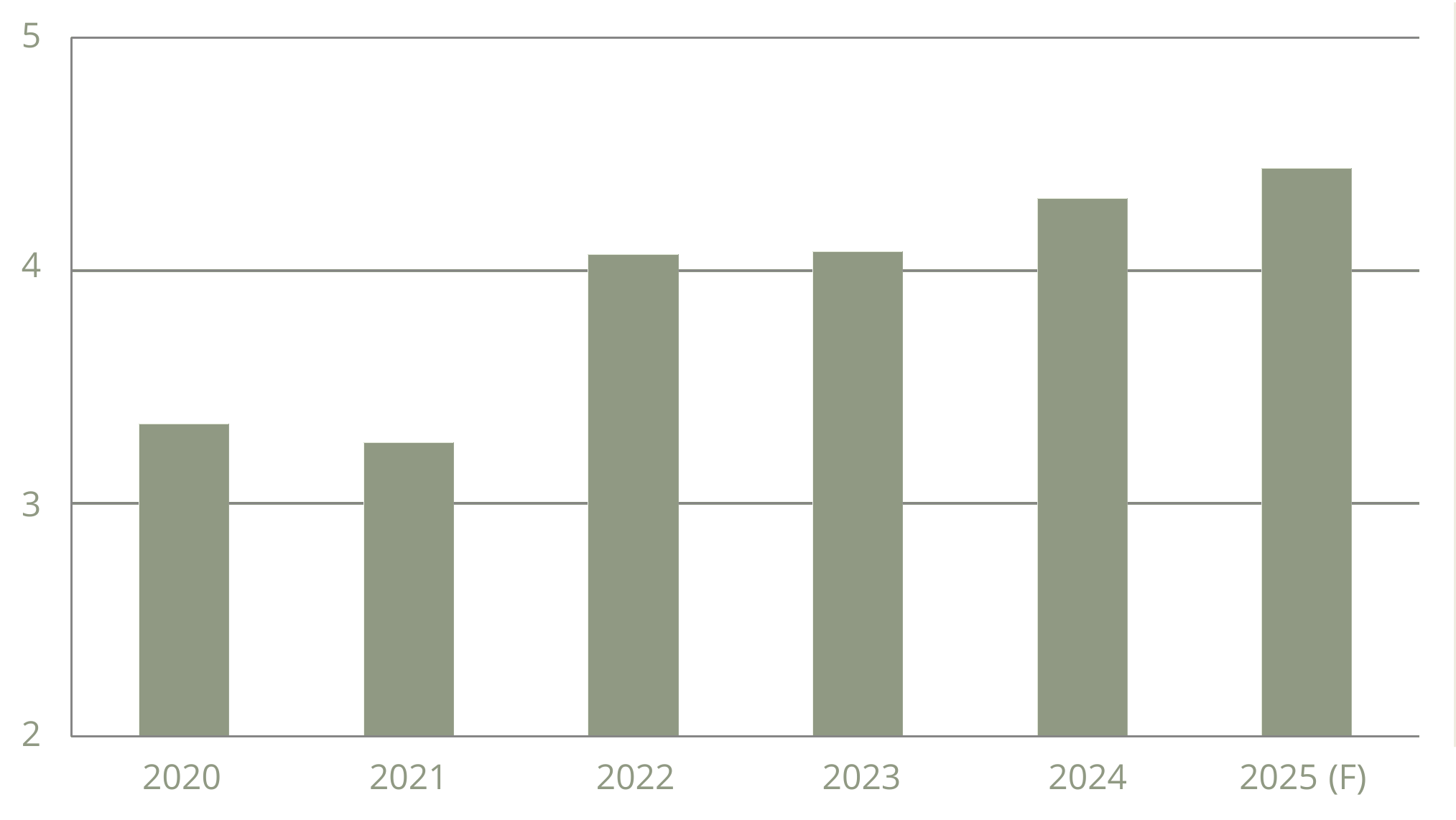
Thailand is the world’s fourth-largest chicken exporter, accounting for roughly 8% of global trade. According to the Ministry of Commerce and Kasikorn Research, the value of chicken product exports is expected to reach US$4.4 billion in 2025, a 3.0% year-on-year increase. Processed chicken accounts for about 70% of total exports, followed by fresh chicken (chilled or frozen).
Japan and the United Kingdom are Thailand’s largest trading partners, together holding more than 64% of market share, followed by China, South Korea, and Malaysia. The country has secured Free Trade Agreements (FTAs) including ASEAN-Japan, ASEAN-China, ASEAN-South Korea, Thailand-Japan, and Thailand-Australia, which have significantly boosted the poultry sector.
Negotiations are ongoing for further agreements, namely the Thailand-European Union FTA and Thailand-Turkey FTA. On 23 January 2025, Thailand and the European Free Trade Association (Iceland, Liechtenstein, Norway, and Switzerland) signed the EFTA-Thailand FTA in Davos, Switzerland. In 2024, Thailand exported broiler chicken worth more than US$1.26 billion to the EU and UK, making it the region’s largest supplier.
The United Arab Emirates, though still a relatively new market representing only 2–3% of Thailand’s exports, is seeing rapid growth due to rising demand for halal chicken. In the first five months of 2025, exports to the UAE increased more than fivefold compared to the same period in 2024.
However, Thai exporters face fierce competition from low-cost producers such as Brazil, China, and the United States, which benefit from cheaper feed and large-scale production. Thailand, by contrast, imports over 60% of its feed ingredients, raising production costs and pushing export prices higher than those of competitors. Price competition with China is particularly tough: China’s average processed chicken export price to Japan is about 13% lower than Thailand’s.
Adding to the challenge, Thai companies are relocating production bases to other Asian countries to gain competitive advantages. This trend could slow Thai chicken export growth in the future. Indeed, the compound annual growth rate of Thai chicken product exports has already declined from an average of 9.0% between 2015–2019 to 6.5% between 2020–2024. In response, some Thai broiler producers are diversifying their business portfolios.
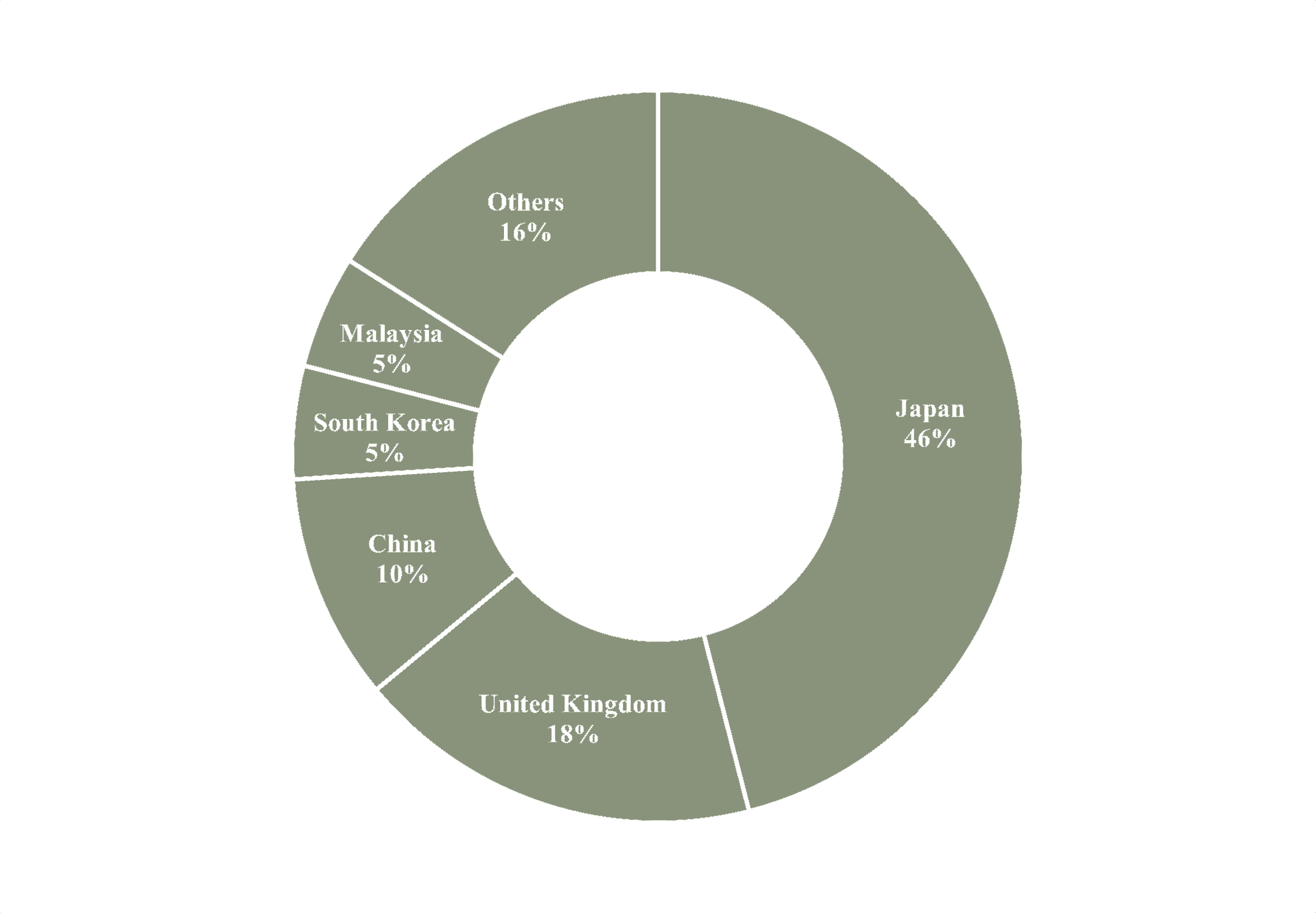
Source: Ministry of Commerce, Thailand and Kasikorn Research.
Business portfolio shift
CFARM is restructuring its revenue streams by shifting focus from broilers to eggs, aiming for more stable and recurring income. The company has approved an investment of 119.7 million baht (US$3.7 million) to build a closed-cage egg farm in Buriram Province. The project has a targeted payback period of about five years.
Construction is expected to finish in the fourth quarter of 2025, with operations starting in early 2026. The farm will initially house 200,000 chickens. CFARM has already secured market access through agreements with long-term partners who previously focused on broilers but are now expanding into egg production.
The company’s egg farm will follow the contract farming model used in its broiler operations. CFARM will purchase chicks and feed from production partners, manage the rearing process, and then supply the output back to partners. This approach reduces exposure to feed price volatility, as raw material costs are predetermined in contracts.
According to Ms. Mathucha Chungthanasomboon, Deputy Managing Director of CFARM: “Our goal is to increase the share of recurring income from egg production to reduce exposure to market volatility. If demand grows, we are ready to expand capacity, as the necessary land is already available.”
CFARM’s original core business was broiler farming, with a capacity of 3.2 million birds per cycle, or about 15.8 million annually. Each cycle lasts around 2–2.5 months. While broilers remain its primary revenue source, the cyclical nature of production limits daily cash flow. Egg farming offers a complementary opportunity to stabilize income.
Chicken welfare improvement
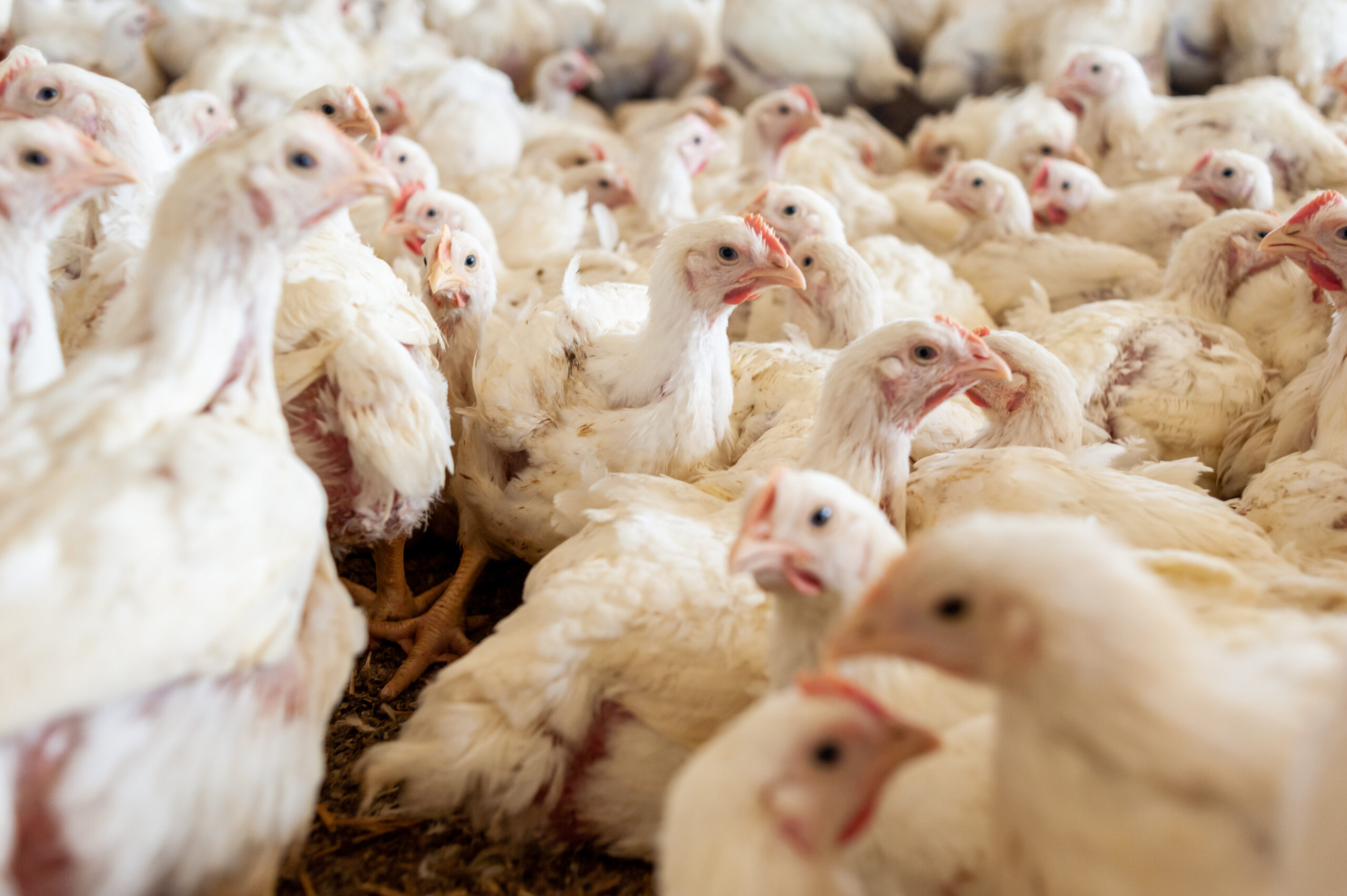 Both broiler and layer farms are expected to face higher costs to comply with safety and epidemic control standards, which could narrow profit margins. Rising farm management and utility expenses are likely to reduce the average gross margin from the current 20–30% range.
Compliance with stricter export requirements — covering food hygiene, residue levels, veterinary drug use, animal welfare, and ESG criteria — will further increase costs. Nevertheless, these investments are essential to maintain confidence among key trading partners, particularly in the EU and Japan, where standards are becoming more stringent.
Although costly, the long-term benefits will be significant. Thailand is making progress step by step. A notable example is the work of World Animal Protection Thailand, which is promoting sustainable chicken farming by establishing Surin Province as a pilot area for high-welfare Korat chicken production.
Its Farm Champion project, now in its second year, is expanding from pilot level to a community-wide initiative. The program encourages a shift from closed housing to higher-welfare systems, with full implementation planned for 2025.
Results from the first year were tangible: chickens raised under the welfare-focused model were healthier, enjoyed access to sunlight and fresh air, and displayed natural behaviors. Survival rates rose from an average of 95% to 99%.
Participating farms eliminated antibiotics entirely, replacing them with traditional protein sources such as black soldier fly larvae, Azolla, water chestnut seeds, and local herbs. This reduced medication and chemical costs by thousands of baht per batch while generating higher income from premium high-welfare chickens.
The Korat chicken, a Thai-developed slow-growing breed, has been central to the program. In its second year, the project includes farmers raising between 500 and 1,200 birds. Experienced farmers now serve as mentors for newcomers, strengthening a “model farmer community network” and driving systemic change from within.