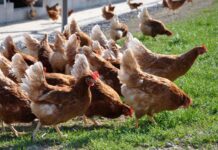


Nepal is facing a serious escalation of avian flu outbreaks, with more than 100,000 birds culled across multiple districts as authorities battle the spread of H5N1 and H9N2 viruses. The crisis has hit poultry farms in Jhapa, Morang, Sunsari, and Chitwan, raising alarm over biosecurity gaps and economic losses.
Widening outbreak across districts
- Confirmed cases: Avian influenza has been detected in 23 poultry farms across four districts: Morang, Sunsari, Jhapa, and Chitwan.
- Scale of culling: Over 100,000 domestic fowls—including broilers, layers, indigenous chickens, and ducks—have been destroyed to contain the virus.
- Hardest-hit area: Sunsari district has reported the highest number of affected farms, with 12 facilities impacted.
Causes and contributing factors
- Biosecurity lapses: Poor farm-level biosecurity practices have been identified as a major driver of the outbreak.
- Wild bird contact: Authorities believe that interaction between domestic poultry and migratory wild birds has facilitated the spread of the virus.
- Delayed response: Initial unusual bird deaths coincided with parliamentary elections, slowing veterinary intervention as officials were deployed elsewhere.
Government response
- Containment measures: Authorities have culled birds, destroyed eggs, and disposed of tons of feed to prevent further transmission.
- Expanded surveillance: Veterinary teams are conducting farm inspections and monitoring surrounding areas to detect new cases.
- Public advisories: Farmers have been urged to strengthen hygiene, restrict farm access, and report unusual poultry deaths immediately.
Economic and social impact
- Financial losses: Poultry farmers face devastating losses from mass culling, feed disposal, and halted egg production.
- Food security concerns: Nepal’s poultry industry is a vital source of protein; disruptions could affect local food supply and prices.
- Farmer anxiety: Many small-scale farmers fear bankruptcy, while larger commercial farms worry about long-term reputational damage.
Outlook and challenges ahead
- Risk of spread: With outbreaks confirmed in multiple districts, there is concern that the virus could expand to other regions if containment falters.
- Need for stronger biosecurity: Experts emphasize that stricter farm-level controls, vaccination strategies, and better coordination with wildlife authorities are essential.
- International implications: Nepal’s poultry trade could face restrictions if outbreaks persist, affecting regional markets.
In summary, Nepal’s poultry sector is under severe strain due to avian flu outbreaks, with tens of thousands of birds culled and farms devastated. The crisis underscores the urgent need for stronger biosecurity, rapid veterinary response, and farmer support to prevent further economic and food security shocks.
Sources can be provided upon request