
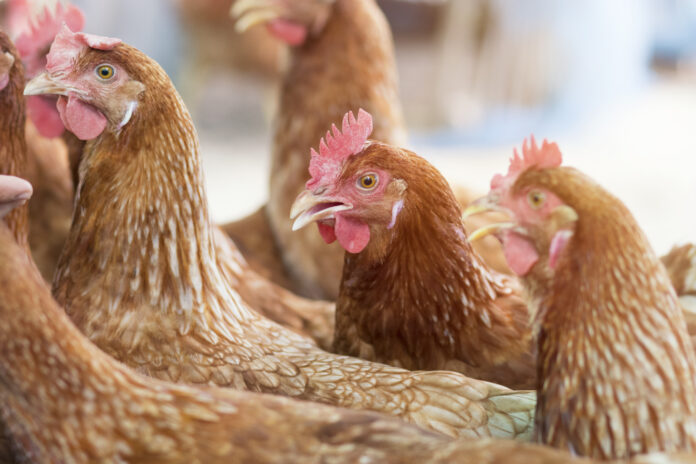
In the poultry industry, intestinal health is a cornerstone for achieving high production yields, feed efficiency, and disease resistance. One of the issues that most affects laying hens throughout their life cycle, undermining their performance, is chronic intestinal inflammation. This article will explore this complex, multifactorial condition, exploring its potential causes, its interactions with the organism, and possible strategies to mitigate its effects.
The complex web of causes behind chronic inflammation
Chronic intestinal inflammation represents one of the most significant health challenges for laying hen farms. This often-multifactorial condition not only compromises animal welfare (behavioral alterations, stress) but also has a considerable impact on several parameters: productivity, egg quality, and immunosuppression. These factors have direct consequences, including increased disease susceptibility and mortality.
It is now well established that inflammation is a physiological response which, within certain limits, provides benefits at the systemic level. It triggers an immediate response to various injurious stimuli affecting the intestinal barrier, through the activation of the NF-κB (nuclear factor kappa B) cascade system and interleukin pathways. However, an excessive immune response entails a high energy depletion — energy that could otherwise support growth and/or egg laying.
Chronic inflammatory processes can arise when several factors, including diet, pathogens, and stress, alter the delicate balance between the microbiota and the intestinal (mucosal) barrier. This condition initially manifests with enteritis (the acute phase), where the intestinal barrier’s integrity is compromised. This leads to increased permeability and the consequent infiltration of exo-/endotoxins and/or pathogens into the bloodstream. Damage to the enteric mucosa exposes Toll-like receptors in the lamina propria to substances in the intestinal lumen (lipopolysaccharides, peptidoglycans, flagellins, etc.), causing further oxidative stress of the epithelium (Durand et al., 2022).
A multifactorial process
 Intestinal inflammation often stems from undigested feed material and heightened enteric barrier permeability. Let’s explore the key contributing factors:
Enteropathogenic agents. Bacteria like Clostridium perfringens (linked to necrotic enteritis), Brachyspira spp. (in particular B. pilosicoli, which targets the ceca), Salmonella spp., E. coli; viruses such as coronaviruses, astroviruses, rotaviruses, etc.
Parasites. Coccidiosis ranks among the most harmful diseases, damaging the intestinal wall cells; protozoa replication triggers an inflammatory process that paves the way for secondary bacterial infections. Intestinal worms, such as ascarids, Heterakis spp., Capillaria spp., can contribute to a chronic inflammatory process that affects the intestinal mucosa, by competing for nutrients and potentially causing intestinal obstructions.
Feed quality. Rigorous analysis of raw materials used for diet formulation is essential to mitigate risks from exposure to abnormal mycotoxin and/or microbiological levels; even low levels, through synergy, can have a negative effect on various organs, primarily the intestine and liver. Poor raw material checks at feed mills can lead to a range of issues in animals. For example, antinutritional factors (caused by an incorrect cooking process) in soy cause organic imbalance, with significant deficiencies and/or diseases; sieving corn before processing removes most of the material that could potentially be contaminated (mycotoxins, etc.).
Particle size of finished feed. Critical for the laying hen; since feed is usually in meal form, particular attention must be paid to homogeneity. Variations in volume (in percentage) between coarse and fine fractions can contribute to a selective feeding process among farmed animals, predisposing them to inflammatory phenomena, nutrient imbalances, and behavioral alterations (cannibalism).
Formulation. Diet digestibility is fundamental, both from an economic standpoint and from a technical-health perspective. Unbalanced diets can lead to an excess of nutrients (e.g., proteins) in the gastro-enteric tract, contributing to a pro-inflammatory state and dysbiosis, with proliferation of microorganisms such as Clostridium perfringens and subsequent development of a pathological condition. The process of diet formulation, for precision nutrition, should be based on the use of its digestible components, especially proteins and amino acids, but also carbohydrates, fats, and fiber. In addition, several studies have shown that excessive calcium levels in poultry diets contribute to worse digestion overall.
Water quality. As a vital resource, poor water quality (whether microbiological and/or physicochemical) can lead to inflammatory states with increased intestinal permeability. Elevated levels of metals, such as copper, iron, and manganese, can contribute to diarrheic phenomena and to the development of pathogenic bacterial populations, which use these substrates for their proliferation. Regular analytical monitoring of any abnormal microbiological components, such as total bacterial count, coliforms, enterococci, etc., is also important.
Stress. During the laying cycle, hens undergo several periods in which they may be subject to specific stress factors; typically, problems are observed during the first weeks after arrival until peak laying is reached. Enteric disorders often develop during this period due to exposure to a new environment after transferring post-rearing and to high-protein diets designed to support egg production. After 40–45 weeks, increased egg weight and hepatic degeneration contribute to chronic inflammatory processes. Heat stress in warmer months causes a reduction in intestinal barrier integrity, leading to immunosuppression.
Behavior. Chronic inflammation contributes to the development of behavioral alterations, with phenomena such as feather pecking and cannibalism, creating a vicious circle. Feather ingestion worsens digestive processes, with alterations in peristalsis and inflammation of the intestinal wall. These issues can begin in the pullet rearing phase, and poor early management may lead to chronicity, degrading production quality.
Environmental conditions. Wet litter, alternative housing systems (e.g., aviaries, where ensuring correct environmental parameters is more challenging compared to conventional floor systems), inadequate and/or incorrect ventilation, and uneven feed distribution throughout the day, with resulting feed selection, heighten the risk of chronic intestinal inflammatory states.
Biosecurity. Robust prophylaxis, hygiene, cleaning, and disinfection (especially during sanitary downtime) help to reduce environmental bacterial and viral loads, lowering the risks of inflammatory and/or pathological phenomena.
Clinical and diagnostic aspects
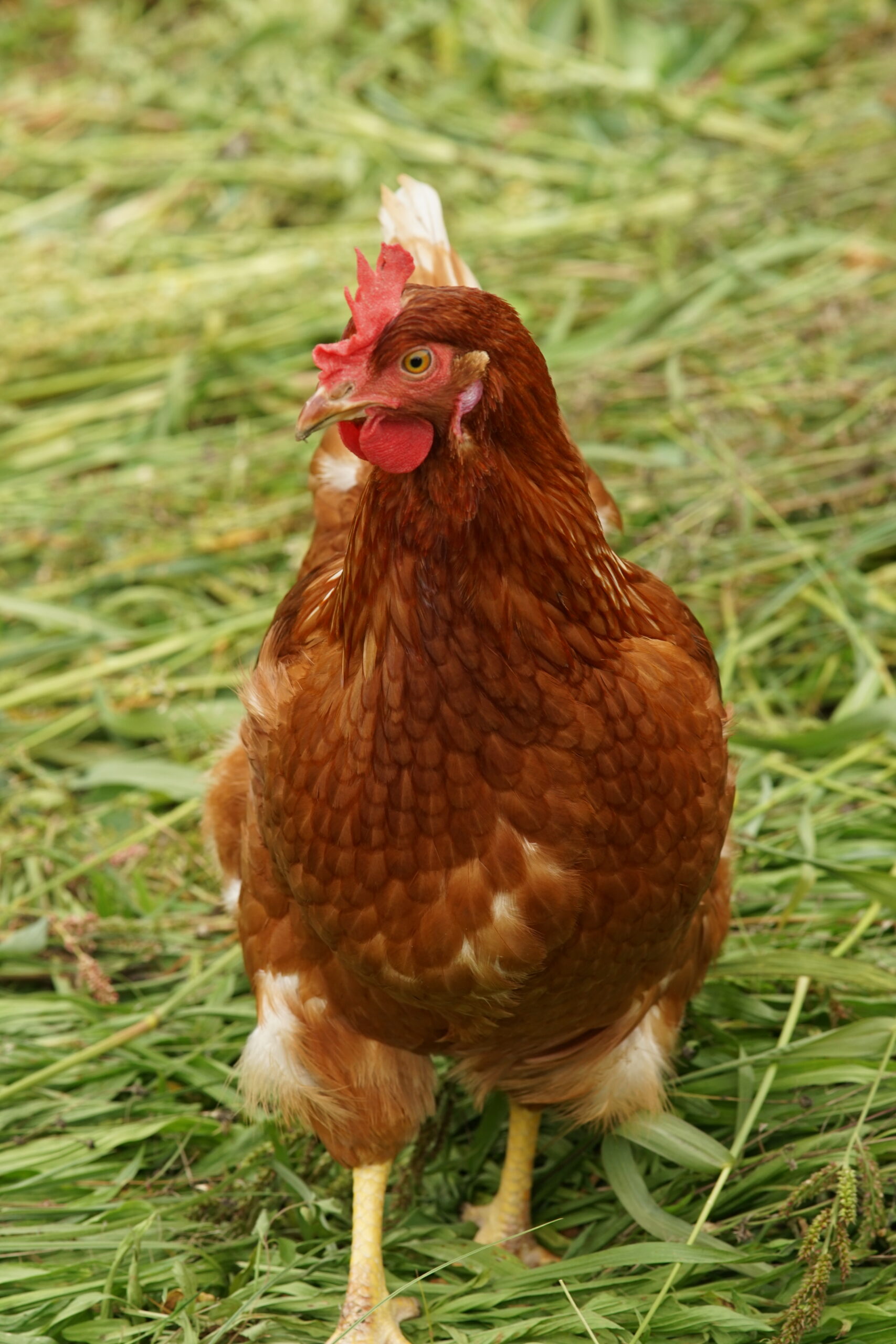 The clinical presentation of chronic intestinal inflammation in laying hens manifests with a range of nonspecific symptoms: animals show poorer and ruffled plumage, combs that are initially flaccid then pale and shrunken, diarrheic feces (catarrhal, at times foamy, with reddish mucous material due to sloughing cells of the intestinal mucosa, of an orange-reddish color), feathers soiled at the cloacal level, possible increased mortality (due to the onset of secondary bacterial complications and/or parasites), body weight loss with prominent keel, reduction of body fat, decrease or increase in feed intake (depending on the cause and/or phase of the process), drop in egg production and egg quality (affecting shell strength, weight, and color), and overall increase in feed conversion. Feces may also show undigested material from malabsorption and a strong odor from abnormal fermentative.
The anatomical-pathological findings in most cases include:
- Externally: poor body condition, paler skin and integuments, varying degrees of dehydration, muscular atrophy (especially of the pectoral muscles), reduced or absent body fat, brittle bones.
- Organs: enteritis of varying severity and appearance (from sero-catarrhal to fibrino-necrotic), with varying degrees of inflammation of the intestinal mucosa, abnormal fermentation causing altered volume and peristalsis of some intestinal tracts (ballooning), lack of elasticity and thinning of the wall (nearly transparent), mucous or liquid contents (sometimes hemorrhagic), with or without undigested material in the distal tract, pathognomonic alterations (e.g., coccidiosis).
- Stomach: inflammatory and/or ulcerative changes in the glandular and/or muscular walls (including burns of the koilin itself).
- Additional findings: aerosacculitis and femur necrosis (due to intestinal contiguity), potentially leading to respiratory and/or septicemic conditions, alongside ovarian atrophy/regression.
For diagnosis, to help rule out and/or address concomitant pathological factors, fecal coprological examination (for the detection of intestinal parasites), microbiological tests (bacteriological, virological), histological examinations, and PCR may be used. For proper analytical monitoring of mycotoxins, it may be useful to rely on more recent technologies, such as blood biomarkers; this is a valuable tool for capturing and measuring the different levels of mycotoxin metabolites in the bloodstream during the hen’s production cycle, building a detailed profile with a range of values to categorize the potential risk to which animal groups are exposed.
Strategies for modulating the inflammatory process
The acute phase of the process is a “natural” response to the various stressors to which laying hens are subjected to during their long production cycle. However, if not properly modulated, this can escalate into chronic inflammation, leading to adverse effects. The adoption of different strategies to manage acute inflammatory processes is based on the concept of prevention; effective systems are needed to reduce the risk of developing these conditions, especially in the most sensitive groups. Therefore, prevention should start with data analysis and flock history: performance, past and recent anamnesis of the animals and the environment (origin, productive performance, problems, sanitary downtime, biosecurity, etc.), season, and feeding. This gathers all the data needed to assess exposure risk level and study intervention methods through the adoption of technical-health strategies and different market-available solutions for drinking water and/or feed.
These include products based on plant extracts, consisting of one or more phytocomplexes (a set of phytomolecules, the active compounds) that act in different ways: products based on carvacrol (found in oregano and thyme plants), for example, provide antimicrobial and antioxidant properties (Botsoglu et al., 2002), as well as anti-inflammatory and immunostimulatory effects (Acamovic and Brooker, 2005). Salicylic acid derivatives (polyphenols) have anti-inflammatory, antipyretic, and analgesic effects, reducing the formation of pro-inflammatory PGE2 (prostaglandins) (IL-6) and NF-kB activity, while boosting inflammatory action (IL-10). Licorice (Glycyrrhiza glabra) has anti-inflammatory, antiviral, and antibacterial properties, as do products containing high amounts of tannins, which inhibit cyclooxygenase formation to limit the formation of pro-inflammatory prostaglandins.
Probiotics and prebiotics positively influence the intestinal flora, providing nourishment for existing bacterial populations and/or introducing favorable microorganisms (e.g., lactobacilli, which inhibit the secretion of pro-inflammatory IL-6). Beyond stimulating the immune system, they indirectly increase the coefficient of apparent digestibility, and by preventing colonization by pathogens, they help reduce inflammatory reactions (Jha et al., 2020). Interestingly, it has been observed that groups of laying hens with high levels of reactivity (fear response) have a more sensitive immune system and richer microbiota, factors that could have positive effects in adapting to more complex environments, such as aviary systems (Wang et al., 2024).
The role of enzymes in promoting efficient use of nutrients is now well established. One of the most widely observed effects is that of reducing the amount of indigestible compounds in the diet, decreasing the viscosity of digesta and irritations of the enteric mucosa that cause chronic enteric inflammatory processes. Another advantage, beyond pure formula economics, lies in the development of microbial diversity that helps maintain a stable intestinal environment and, consequently, inhibits the development of pathogens (Kiarie et al., 2013).
Organic acids also help, reducing water pH and facilitating nutrient digestion. Butyric acid in particular, in addition to being an energy source for enterocytes, also acts as a cellular mediator that contributes to the regulation of several intestinal functions, modulates the immune system, and reduces oxidative stress.
Some mycotoxins predispose the intestinal environment to inflammatory processes because they increase the persistence of certain pathogens, weakening intestinal barriers, and heightening oxidation by generating free radicals. Fat rancidity is linked to the pathogenesis of enteric diseases (Collet, 2005), making mycotoxin-targeted and antioxidant products essential for mitigation.
A virtuous future: reducing antibiotic use and extending the 100-week production cycle
Alarming levels of resistance to the use of antibiotics have been reported in several countries around the world, driven by overuse that fuels pathogens with high antimicrobial resistance. Timely and effective control of intestinal disorders associated with chronic inflammation can reduce the occurrence of associated pathological episodes (e.g., necrotic enteritis caused by clostridia) and, consequently, the therapeutic use of antibiotics.
In conclusion, a holistic approach to managing intestinal inflammation should encompass changes in nutrition, farming practices, and the use of alternatives to antibiotics like phytogenics, to promote animal welfare, intestinal health (avoiding potential related diseases), and the economic viability — helping flocks of laying hens reach the coveted 100-week production cycle without major setbacks.