
A case of Newcastle disease (ND), officially classified as atypical avian influenza, has been confirmed in the German state of Brandenburg — the first occurrence in the country since the disease was eradicated from poultry in 1996.
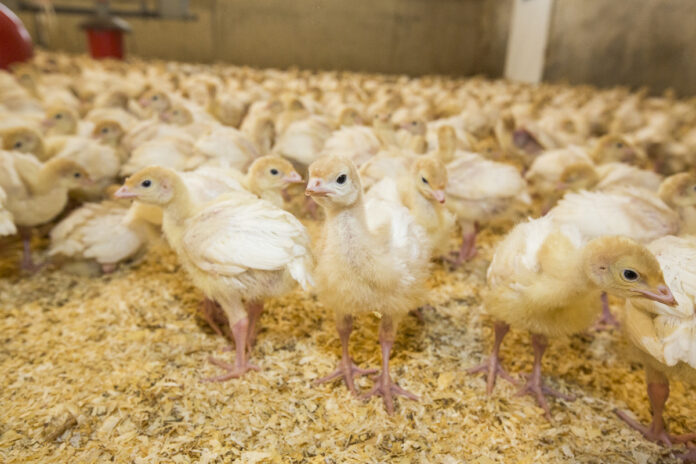
The outbreak was detected on 20 February 2026 on a turkey fattening farm following increased mortality and non-specific clinical signs in a flock of six-week-old birds. Two older turkey flocks on the same premises showed no clinical symptoms; these flocks had been repeatedly vaccinated against ND.
The farm housed five flocks in total, and all birds were culled the following day as part of disease control measures.
Virological findings
Further laboratory analysis identified the virus as genotype VII.1.1. According to investigations, the strain detected in Brandenburg is highly similar to ND viruses previously reported in Poland. State veterinary authorities have launched epidemiological investigations to determine the possible source of infection.
Biosecurity and vaccination under scrutiny
The re-emergence of Newcastle disease in Germany after three decades underscores the importance of maintaining strict vaccination programmes and biosecurity standards.
Poultry farmers are urged to verify that all chicken and turkey flocks are up to date with mandatory ND vaccinations and to administer them where necessary. Farms should also review biosecurity protocols designed to prevent virus introduction, with particular attention to:
-
Control of human access
-
Management of equipment and material exchange
-
Monitoring of flock health and performance
Even in vaccinated flocks, laboratory testing for ND should be initiated in cases of unexplained mortality or reduced productivity in order to ensure early detection and rapid containment.
Elevated risk environment
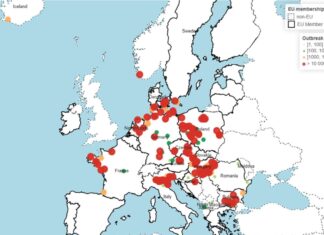
The detection comes at a time when Germany continues to report cases of highly pathogenic avian influenza H5, commonly referred to as classical avian influenza or bird flu. This ongoing situation represents a significant risk not only for poultry farms but also for other facilities housing birds, including zoological collections.
The information was released by the Friedrich-Loeffler-Institut.