
Nigeria’s poultry sector is facing renewed pressure as a sharp increase in day-old chick prices and ongoing supply constraints begin to affect farm-level decisions and egg availability.
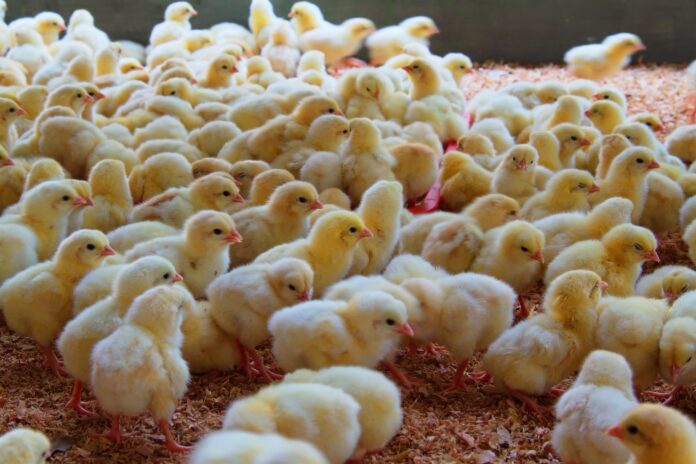
Industry observations indicate that the price of day-old chicks has risen by around 67% within the first months of 2026. In practical terms, this has meant an increase from about ₦1,800 to ₦3,000 per chick in some cases, while other market reports show prices moving from roughly ₦400–₦600 a year ago to as much as ₦1,800–₦2,000 more recently. Across regions, the rise has made restocking more difficult, particularly for smaller producers.
Producers report that access to pullets is currently limited. Hatcheries are operating with waiting times of up to three months, reflecting increased demand linked to the return of some farmers to production after a period marked by high feed costs and farm closures in 2023 and 2024.
Stakeholders also point to earlier reductions in parent and grandparent stock, linked to weaker demand during that downturn, as a contributing factor to current chick availability. At the same time, the depreciation of the national currency has increased the cost of importing hatching eggs, adding further constraints to supply.
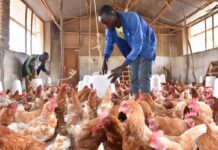
At farm level, the impact is visible in flock management. Producers indicate that high chick prices and limited availability are delaying restocking cycles and, in some cases, leading to reductions in laying flock size. This is occurring alongside continued pressure from feed costs, which account for about 70% of production expenses.
Environmental conditions are also contributing to the situation. Elevated temperatures reported across several regions are affecting bird performance, with heat stress reducing feed efficiency and egg output while increasing mortality risk. Erratic power supply is also cited as a factor affecting farm operations.
Market signals reflect these combined pressures. Traders in major urban centres, including Lagos, Kano and Abuja, report tighter egg availability and rising prices. Crate prices have moved from levels around ₦5,300–₦5,500 in late 2025 to ranges between ₦6,000 and ₦7,500 or higher depending on location and size, with individual eggs commonly selling between ₦250 and ₦300 in some markets.
While some industry representatives note that supply constraints are not uniform across the country, they acknowledge that availability has become less consistent, with occasional delays and localised gaps. Seasonal demand, including the Easter period and the upcoming back-to-school phase, is expected to add further pressure in the short term.
Sector representatives indicate that the current imbalance between chick supply and farm demand may persist until a new production cycle allows supply to stabilise. In the meantime, the combination of input costs, biological constraints and environmental factors continues to shape production decisions across the value chain.
Given the role of eggs as an accessible source of animal protein, developments in the poultry sector are being closely monitored. Current estimates place average daily protein intake in Nigeria at about 45.4 g per capita, below the FAO reference level of 53.8 g.