
Technification of poultry barns is a growing priority for most producers to support precision farming practices. Although such improvements can ease flock management and on-farm labor, thoughtful planning on how to integrate them into barn practices is required to ensure a full return on investment.
Moving toward high-tech barns
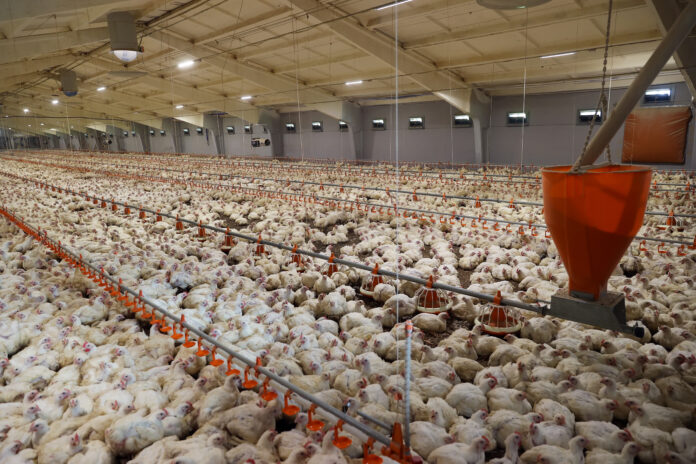
Investing in new technologies may appear thrilling yet raises skepticism at first sight, and a clear mindset on how barn digitalization can improve current management practices and flock performance is a must. Most of these benefits come from reducing production costs by saving labour time, automating processes, and quickly spotting potential threats to poultry health, welfare, and performance. Early technification of poultry barns started with automation of feeder throughs and water lines to optimize the use of feed and water efficiently while avoiding spillage into litter, yet still developing to maximize nutrient intake and reduce waste. Further digitalization of housing systems allowed producers to adjust automatically environmental conditions throughout the flock’s lifetime, regardless of outdoor weather, particularly in temperate climates where summer temperature and humidity surpass dangerous thresholds and harsh winter conditions put at risk birds’ survival. Even nowadays, integrated advancements in heating, cooling, and ventilation systems are becoming more effective at keeping environmental conditions within comfortable thresholds to support livability and proper flock performance, allowing poultry barns to operate worldwide and yearlong while reducing thermal stress and related mortality. Similarly, centralized control of lighting programs enables greater control over daylength, light intensity, and light quality to boost feed intake, synchronize lay onset, or manage behavioural problems during rearing and lay. All these systems generate a large volume of data periodically useful to analyze how indoor conditions impact production outcomes (for example, during extreme weather events such as heat waves or heavy snowstorms).
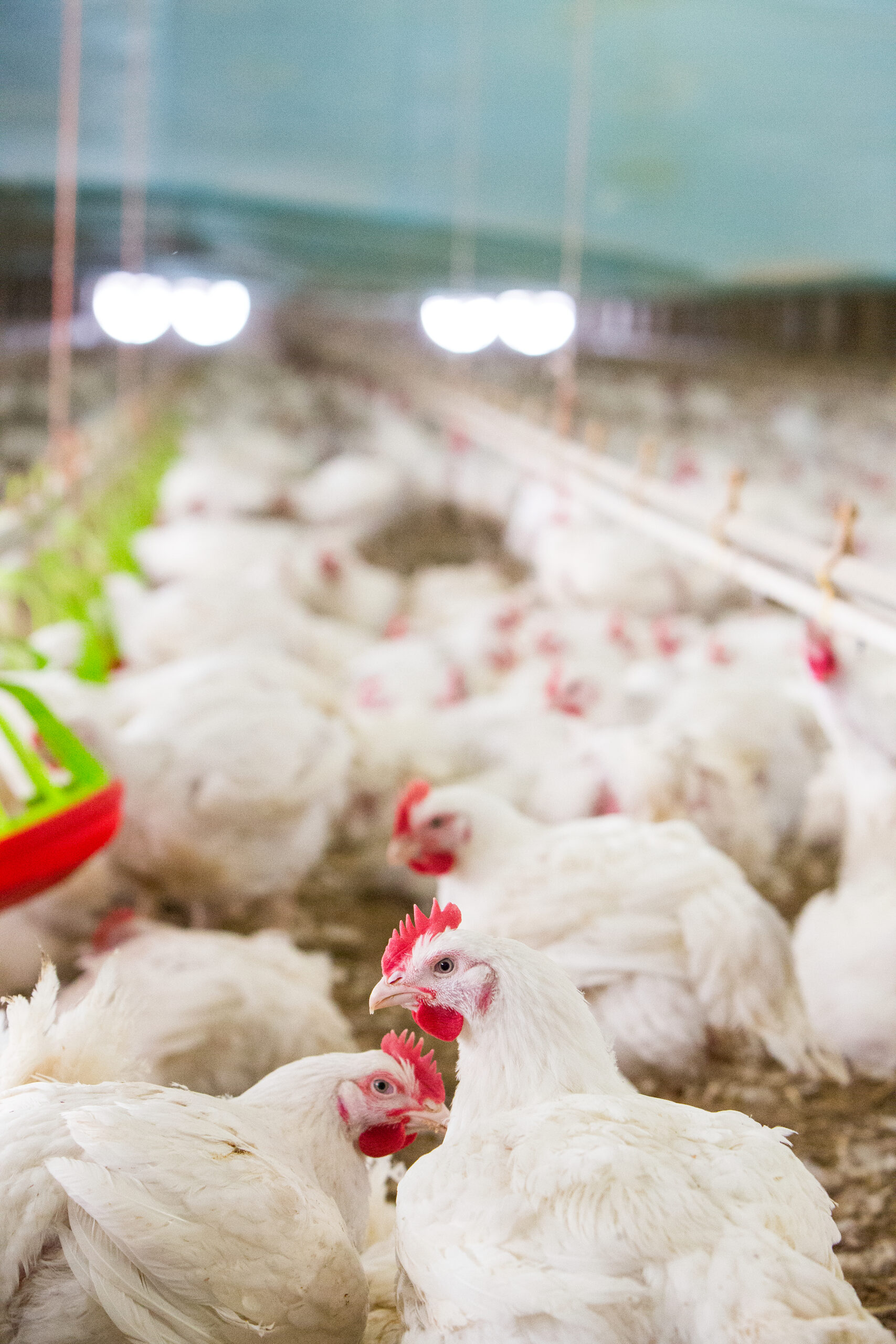 Barn sensors have recently gained importance to track indoor environmental conditions and ensure housing systems provide an optimal climate to meet performance objectives and good health. Besides temperature and relative humidity sensors, new technologies in the market allow for more advanced air quality readings such as concentration of ammonia, greenhouse gases, and particle matter, which are responsible for airborne diseases in poultry and staff. This information can further help refine on-farm practices to maintain levels within safety recommendations and develop strategies to lower emissions. Additionally, sensor devices are also commercially available to measure feed bin and water tank content to help foresee new refills in a timely manner. This real-time tracking overall provides peace of mind when things run smoothly and allows producers to check/adjust barn indoor conditions and control energy, water, and feed consumption even when not physically present in the barn. Most of these systems also permit users to set up phone alerts when parameters rise above or drop below given values which aids in spotting promptly equipment malfunctions or harmful conditions so personnel can take quick action before consequences scale up.
In the last decade, the field of artificial intelligence has been making its way into poultry production systems advancing technology tools to process sensory data (visual, auditory or environmental) instantaneously and deliver in real time desirable outcomes for which the model has previously been trained. Some commercially available software can help manage large poultry flocks by automatically monitoring production outcomes (laying rate, body weight, number of birds), spotting equipment malfunctions, checking resources utilization, and detecting subtle behavioural changes like moving and activity patterns, drops in feeding and drinking, and distress calls. Surveillance cameras powered by computer vision are bringing new opportunities to track flock health and performance non-stop and help prevent disease and behavioural outbreaks due to early detection. Same as sensor alerts, flagging these on-farm complications quickly allows producers to enhance the decision-making process for timely interventions and act promptly before greater endeavours are needed.
Some thoughts beforehand
Digitalization can increase flock productivity by automating processes and helping detect problems rapidly as well as areas for improved effectiveness. Such benefits purely rely on 1) knowledgeable, skillful personnel on poultry-specific care and tech-savvy, 2) staff capacity to intervene on-time when needed, 3) clear awareness on how technology can ease routine flock management, and 4) continuous maintenance and supervision to verify equipment operates accordingly to expectations. Indeed, digitalization of poultry houses must be seen as an aid to enhance current on-farm practices to ultimately improve flock welfare, health, and performance rather than as a tool to elude proper management practices. For example, flock/barn alerts are pointless if not followed by timely corrective measurements by skillful, knowledgeable caretakers. As well, emergency action plans have to be properly laid out and well known by staff so if alerts go off personnel is aware of the protocol. Finally, and most importantly, this economic investment of barn digitalization must pay off in the long run to make it profitable. In other words, the benefits of new technology implementation (e.g., personnel satisfaction, improvements in flock performance, and ease of management) ought to outweigh the cost of initial acquisition and installation, staff training, and ongoing operating and maintenance requirements. Therefore, next steps into barn digitization should aim to overcome current production cost and flock performance limitations.