
Enhancing efficiency, sustainability and consumer engagement are three cornerstones to increase profitability by adding value into the poultry food chain. All together are necessary across the whole production stages to assemble a solid value chain for poultry products.
Seeking efficiency
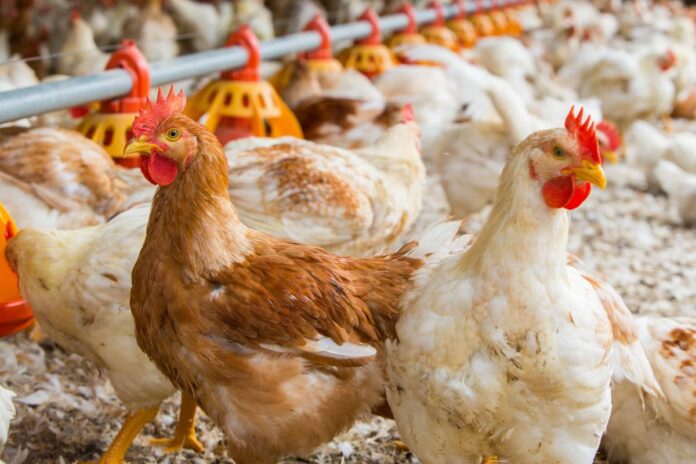
Most businesses aim to deliver high-quality products at the lowest cost and the same applies to the poultry industry. Yet, attaining this milestone requires a multifactorial approach to stay profitable throughout all stages and achieve economic sustainability in the long run. Husbandry conditions and management must align with breed requirements to accomplish high-yield performance objectives. Indeed, producers should look for poultry breeds that achieve high survival rates and good health and welfare under local conditions for high investment return and profitable flock performance. This includes low feed intake per production outcome, resilience to potential threats (pathogens, climate conditions, etc.) and soundness to husbandry conditions and management practices. Indeed, when all these metrics aren’t considered, high-performing layers and fast-growing broilers may underperform under suboptimal conditions due to high culling rates, mortality, and/or stress sensitivity (leading to growth checks, laying cessation, and immunosuppression) compared to more resilient and robust breeds. Precision feeding also becomes an ally to boost feed efficiency by implementing strategies that meet nutritional requirements throughout rearing and production phases tailored to breed-specific background, intended to reduce feed waste and improve health status. In addition to previous remarks, adopting strong biosecurity practices can help producers prevent disease outbreaks and associated losses in case of pathogen entry. Weak biosecurity protocols not only pose a risk for birds’ performance and survival but also raise food safety concerns, particularly in the case of food-borne diseases such as salmonellosis and campylobacteriosis. In this context, barn digitalization can advance record-keeping of environmental conditions, monitor flock health status and track performance which, in turn, can improve birds’ health, welfare and productivity. All these advancements in efficiency not only aid in managing resources efficiently but also spot gaps for improvements as well as pioneering procedures already implemented on-site that are useful for strategic, brand positioning and differentiation within the sector.
Embracing sustainable practices
Recent concerns about environmental sustainability are pressuring the poultry industry to mitigate its footprint by improving efficiency, optimizing resource use, and reducing waste. Beyond feed efficiency, there is a growing need for cutting down the amount of energy and water required for the production and processing of poultry products. Advocating for innovative solutions that use clean energy and water-saving technologies along the production line can demonstrate commitment in this regard. Road distribution of poultry products is associated with high CO₂ emissions into the atmosphere, and optimizing logistics and transportation procedures can further help mitigate carbon emissions. Also, sourcing feed ingredients from local producers and certified suppliers can support that sustainable practices are implemented early in the supply chain. Another important aspect to improve is reducing waste from barns, processing facilities and retailers, turning poultry byproducts into valuable opportunities and adopting sustainable packaging made from biodegradable and/or recyclable materials. In the context of circular economy, composting poultry manure to produce high quality crop fertilizer can bring additional revenue to producers and reduce production costs. Data market analytics can additionally help match expected short- and mid-term consumer demand with actual barn performance to avoid overproduction and optimise logistics. Furthermore, investing in strategies to capture human-produced pollutants (such as greenhouse gases) demonstrates environmental stewardship to shape a future in which the poultry industry plays a crucial role satisfying the rising demand for meat and eggs sustainably and integrated within the environment. All these approaches ultimately aim to reduce greenhouse gas emissions and the carbon footprint, and promoting these actions illustrates the poultry industry’s commitment to integrating green practices across the supply chain, which brings value along the way.
 Engaging with consumers
All these efforts to attain better process efficiency and become more environmentally friendly must be communicated to consumers, stakeholders, policymakers, and non-governmental organizations. Transparency, traceability and knowledge transfer are essential for educational purposes and farm-to-fork visibility. Indeed, sharing this information with the end consumer is key to illustrating how day-to-day practices safeguard food safety, support animal health and meet animal welfare standards while the sector also becomes more environmentally conscious and integrated into a circular economy that promotes local economic growth. In this context, directional education and proper marketing should deliver clear, straightforward messages to consumers so they can understand: 1) the commitment of the poultry industry to take good care for animals and food products, and 2) how it contributes to the wellbeing and livelihood of neighbouring communities. Promoting the nutritional value of poultry products as well as the quality control along the supply chain can further reinforce the trust of consumers in the poultry industry. All together can bridge consumer expectations with current value-adding activities by the industry while acknowledging the routine efforts to secure the health of birds, people and environment.