
The processing plant is the epicenter of a poultry processing company for being its only utility-generating area, as all the others are cost-generating centers, only. Its utility-generation capability is inextricably dependent on the performance of the processing yield, the most important economic drive of the operation. Consequently, safeguarding it must top the list of priorities of the whole company’s staff.
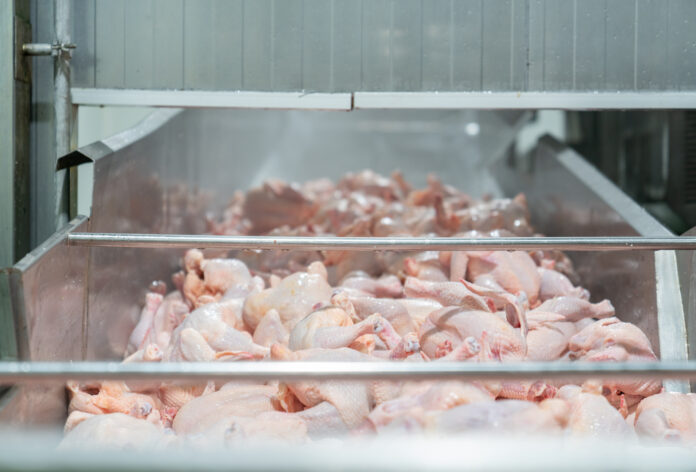
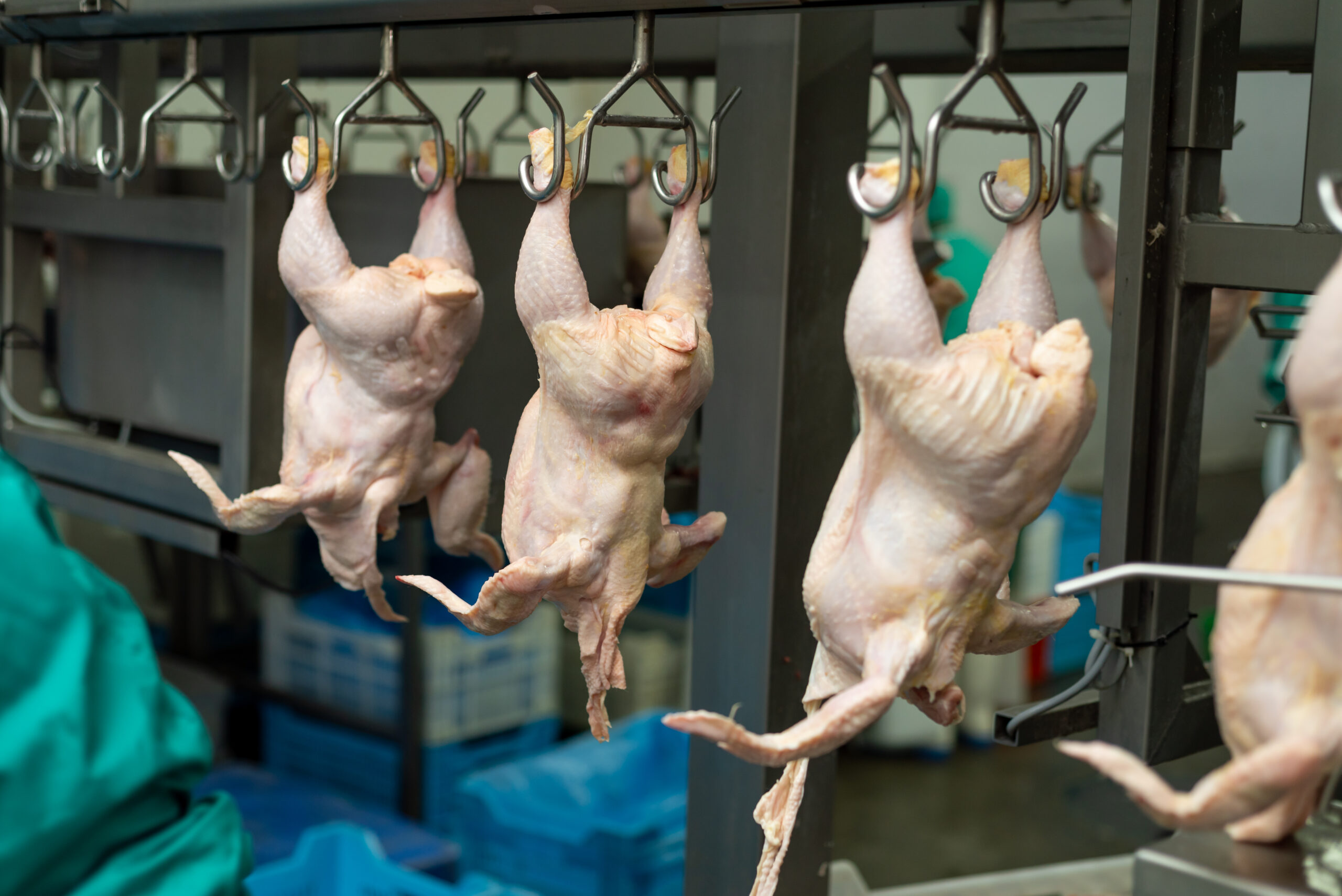
Broiler chickens intended for human consumption are dressed before reaching the market. Dressing is performed along the primary process area, where blood, feathers, intestines, and other non-edible parts are removed from the carcasses. The offal removal implies an inherent, unavoidable weight loss that, idyllically, should be the only one experienced by the carcasses along the primary process. However, the reality is different,, as a few other variables, like flocks’ uniformity, machinery maintenance, and poor operational performance, may inflict additional losses and cause damages to the carcasses, which lead altogether to a drop in the processing yield. Therefore, guaranteeing the optimal performance of the primary process is key to shielding the processing yield, and the company’s bottom-line, as well!
Flock uniformity is a key prerequisite for the optimal performance of the primary process. Uniformity eases the adjustment of the machinery to the carcass and makes their interaction more precise and smoother, therefore contributing to lowering the risk of weight loss for damages and trimmings. Therefore, keeping track of the uniformity of the raw material, and continuously pursuing its improvement largely benefits the processing yield.
At the live hanging station, suspend the broilers by the legs upon shackling. Shackles must be gauged for the birds’ average live weight to minimize hand pressure on the legs and the risk of bruises when sliding the feet down the shackles. Avoid weight loss from hock miscutting by removing returning feet from the line prior to shackling. Secure the breast comforter sprawls from hanging through the stunner and is properly dimensioned and installed to eliminate wing flapping that would otherwise lead to bruises. Have the overhead conveyor installed the straightest way possible between hanging and stunning, to avoid intense wing flapping in response to uneasiness caused to birds by curves and slopes.
Have the stunner installed in order to secure the broilers sink the heads, and never the wings, into water, and adjust its height continuously to allow the birds to sink only half of their neck into the tub. These cares will avoid bruises from having the wings and breast touching the water. Set the stunner to comply with local animal welfare regulation, but without inflicting damages to the carcasses.
When bleeding the birds, sever the vessels the closest possible to the jaw to save most of the neck skin to the carcasses and keep trachea and spinal cord untouched to guarantee optimal bleeding, and effective, smooth scalding and plucking. Have the bleeding time set to avoid cadavers, but secure it is not too long that might demand carcass-damaging hard scalding and picking conditions, though.
The scalding time x temperature setting must harmonize with the killing line speed, carcass weight, skin color, and the scalder technology, for optimal results. Improper setting may result in either sub-scalded carcasses, which require tougher picking with increased risk of wing and skin damages, or over-scalded ones, which lead to damaged skin, scald-burnt breast, and melted subcutaneous fat layer, which might drag 0.5% to 1.5% of the carcass weight down the drain.
Running short of picking capability is synonymous with damaged limbs and tor skin, which translates into increased carcass trimming and lower yield. One 16-plate picker per 3,000 bph is a widely accepted picking ratio. Adjust pickers unceasingly to the carcasses to enhance defeathering while minimizing the risk of damages. Fix missing, torn, or damaged rubber fingers daily to optimize and smoothen the defeathering and minimize skin lacerations and fractured limbs. Use lukewarm water across all pickers. Counting on a grid underneath the entire picking line prevents unshackling birds from being dragged with the feathers to the rendering plant.
A properly managed feed withdrawal program is of utmost importance to reduce the risk of contamination along the evisceration line, thus reducing the weight loss from contaminated carcasses salvaging. Yet important, it does not suffice and requires to be complemented with the proper management of the machinery to maximize the processing yield.
Vent cutter blade must match the size of the carcasses, and be kept sharp to guarantee a clean, thorough cut without biting out the skin. Adjust the machine continuously to avoid carcass contamination from cut intestines and the leak of fecal material from the vent, which would lead to weight loss from the salvaging of the contaminated area.
Keep track of the opener outcome to prevent cut intestines coming out of the machine, and to secure the opening allows for further thorough evisceration with no damages to the giblets or bile spilling onto the carcass.
During the evisceration, keeping the abdominal fat leaf attached to the carcasses, as it represents between 2% and 4% of the carcass weight, and maximizing the collection of edible giblets, as they make up some 7% of the bird’s live weight, boost the processing yield.
Maneuver the cropper to pull out tracheas and crops with minimal impact on the highly hygroscopic inner layer of the neck skin, as it rules the water uptake capability along the water chilling line.
As seen, preserving the intactness of the carcasses, thus contributing to boosting the processing yield and the company’s bottom-line, is neither an easy task nor a one-area’s responsibility. The mission demands a team-work approach with an unceasing contribution from the several players scattered along the processing chain, from the farm to the plant, to be successful!