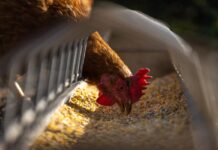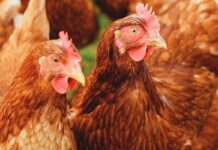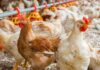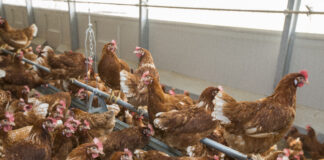

The evaluation of animal welfare in poultry farms requires a multidimensional approach that encompasses resource-, management-, and animal-based indicators. This combined approach allows for the accurate identification of key issues such as locomotor problems, skin lesions and abnormal behaviours. The joint use of these parameters provides an objective, scientifically robust measure of animals’ welfare status and represents an essential tool for guiding targeted interventions and improving management practices.
Introduction
In the recent years, animal welfare has become a key focus in poultry farming. Consumers have shown growing interest in sustainable and animal-friendly products, demonstrating a willingness to pay more for food perceived as healthier, safer, tastier and more authentic (Alonso et al., 2020; Mazzocchi et al., 2022). However, animal welfare is relevant not only for ethical reasons, but also because of its direct impact on human health and environment, in line with the One Health concept (Verkuijl et al., 2024). Moreover, animals raised under optimal conditions show better productive performance and greater feed efficiency (Velarde and Dalmau, 2012). Consequently, being able to evaluate welfare objectively and scientifically is essential.
Several indicators have been studied to enable a comprehensive and objective assessment of the farm animals’ welfare. This evaluation is complex and multidimensional, including physical, behavioural, environmental, and managerial aspects that must be analysed in a holistic and coordinated manner. In particular, three different types of welfare indicators have been identified:
- Resource-based indicators: evaluate the structural and environmental characteristics of the farm.
- Management-based indicators: evaluate the management practices adopted by the farmer.
- Animal-based indicators: provide direct information on animals’ condition (EFSA, 2012; EFSA, 2023a).
Indicators
Resource-based indicators concern the structural and environmental aspects that influence the living conditions and welfare of hens and chickens. Key indicators include stocking density, bedding quality and quantity, the number and configuration of nests and perches, the space or number of feeders and drinkers, microclimate control (ventilation, temperature, relative humidity), and lighting (Sherwin et al., 2010; Nicol et al., 2013).
Management-based indicators evaluate the quality of practices adopted by the farmer, such as cleaning and maintenance of facilities, litter management, sanitary protocols, biosafety plans, management of sick or injured animals, and staff training (Blokhuis et al., 2010; Campbell et al., 2018). In broilers, genetic selection also plays a fundamental role, as the intense selective pressure applied over recent decades has contributed to the emergence of major welfare issues observed today on farms (EFSA, 2023b). The first two types of indicators make it possible to identify risk factors and/or causes of poor welfare, providing a basis for implementing improvement strategies (Welfare Quality®, 2009).
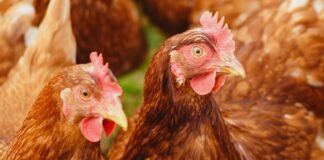
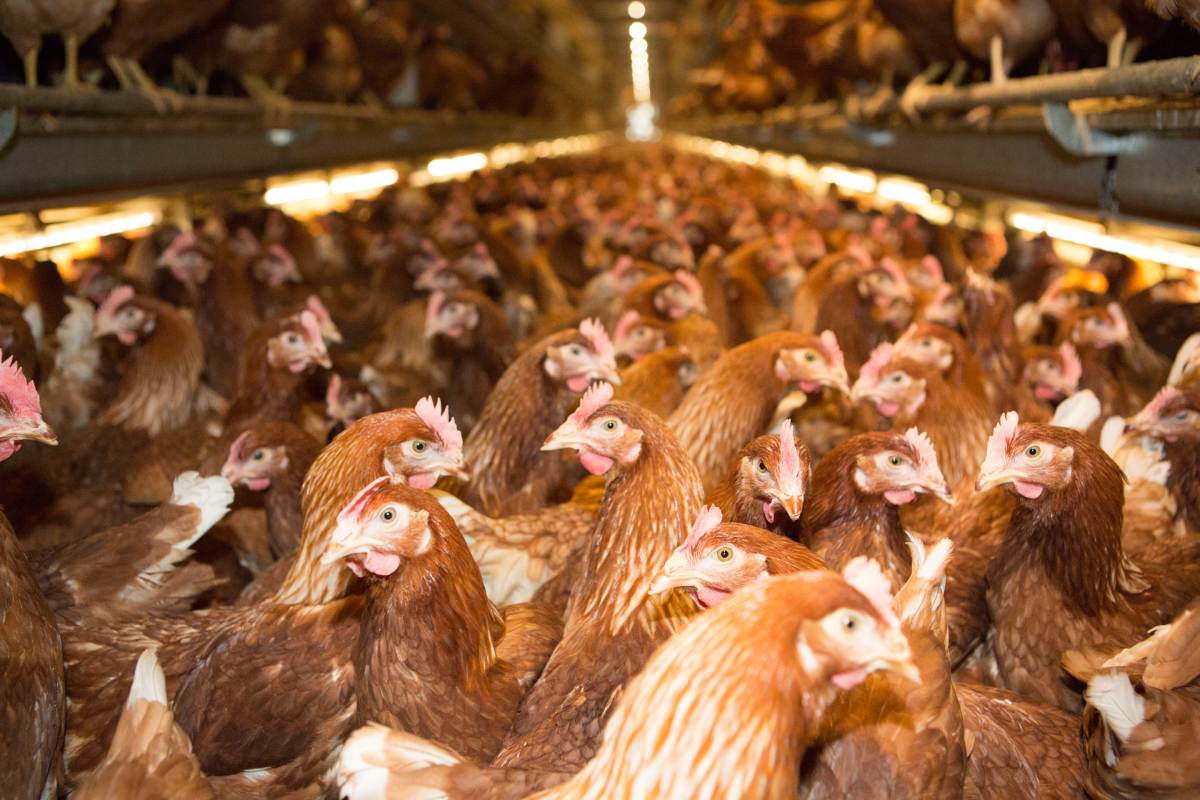
Animal-based indicators directly describe the condition of the animals, their health and their behaviour. For laying hens, key indicators include mortality rate, comb abnormalities that may reflect discomfort, footpad dermatitis caused by unsuitable litter, fractures of the toes and/or keel bone which indicate bone fragility, nutritional imbalances, and inadequate facilities. Other aspects considered are the presence of red mites, which are widespread in hen populations, and the observation of species-specific behaviours, such as dustbathing and foraging. Additionally, the human-animal relationship is evaluated, and behaviours like panting and huddling are used to detect thermal discomfort (Welfare Quality®, 2009; Nasr et al., 2012; Haas et al., 2014).
Among the most important animal-based indicators are feather condition and the presence of skin lesions, both closely related to feather pecking, one of the most widespread problems in hen farms. Feather pecking is an abnormal behavioural disorder, in which an individual pecks at the feathers of a conspecific until they are pulled out, causing pain, injuries, until cannibalism. This multifactorial behaviour is caused mainly by high stocking density, excessive lighting, nutritional deficiencies (particularly in soluble fibre and/or essential amino acids), lack of environmental enrichment, genetic predispositions, and limited ability to perform natural behaviours like exploration and foraging. As a result, these behaviours may be redirected towards conspecifics (Dixon, 2008; Rodenburg et al., 2008).
Feather pecking negatively impacts productivity by increasing stress and mortality, thereby compromising both animal welfare and egg production (Schreiter et al., 2019). Prevention strategies focus on optimal microclimate and lighting management, a balanced diet and providing manipulable and explorative materials (such as straw or ropes), which promote natural behaviours and reduce the risk of pecking directed on other hens. Additionally, genetic selection is increasingly oriented towards less reactive and predisposed hybrids to develop feather pecking (Rodenburg et al., 2013). This multifactorial behaviour exemplifies how the three types of indicators interact in the identification and correction of welfare issues.
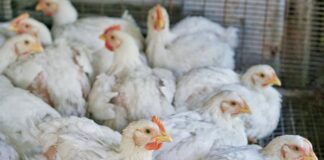
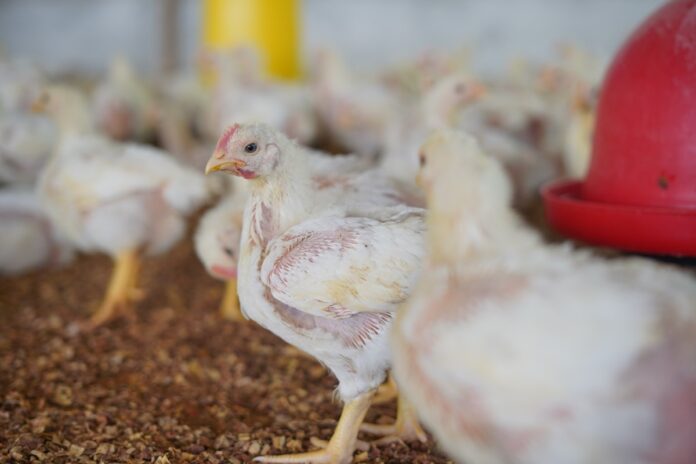
For broiler chickens, animal-based indicators mainly focus on locomotor problems, which represent a critical issue linked to intensive genetic selection for the rapid growth and the feed conversion efficiency (Zuidhof et al., 2014). The accelerated muscle tissue growth, in particular of the pectoral muscle (Pectoralis major), has not been accompanied by a proportional development of the skeletal and cardiovascular systems. This imbalance causes biomechanical alterations that affect posture, walking and cardiovascular function (Julian, 2005; Knowles et al., 2008). Environmental factors also play a key role; high stocking density, moist or poorly absorbent litter and an unbalanced diet can worsen locomotor issues (Bradshaw et al., 2002; Shim et al., 2012; van der Sluis et al., 2021).
Physiological consequences include chronic pain, reduced mobility, limited access to resources like food and water, and, in some cases, increased mortality (Weeks et al., 2002). Consequently, the most widely used animal-based indicators include gait score, which assesses walking ability, pododermatitis (inflammatory skin lesions on the footpads) and hock burns, which reflect broader environmental conditions. Other commonly used indicators include mortality, feather condition, skin lesions, and species-specific behaviours such as exploration, thermal comfort and human-animal interaction. These indicators indirectly provide information about fear levels and adaptation to human presence and contact (Welfare Quality®, 2009; EFSA, 2023; de Jong et al., 2012).
In addition, for broiler chickens there are various parameters assessed at slaughterhouse, which reflect breeding conditions: ascites such as a fluid buildup in the abdomen due to cardiac and respiratory failure related to excessive muscle growth; breast lesions (breast blister) caused by contact with hard surfaces or wet litter; septicaemia and abscesses, which are indicative of infections and hygiene issues; hepatitis and pericarditis (metabolic and health problems), and dehydration that is a sign of inadequate water access. All these indicators provide further insight into rearing conditions and farm management with a direct impact on animal health and welfare (Manning et al., 2007; Welfare Quality®, 2009; Petracci et al., 2019).
Preventive strategies include not only a less extreme genetic selection, but also management interventions such as the use of dry and absorbent litter, optimisation of stocking densities and dietary formulations to support skeletal and cardiovascular development, the addition of environmental enrichment to stimulate movement and natural behaviours, contributing to stronger bone development. Also the continuous monitoring of temperature, ventilation and humidity can reduce thermal stress and improve tissue oxygenation, helping to decrease cardiopulmonary and metabolic complications (Julian, 2005; Olkowski et al., 2008; Petracci et al., 2019).
Conclusion
In conclusion, only the combined use of three types of indicators allows for a comprehensive and reliable assessment of poultry welfare (Louton et al., 2018). While resource- and management-based indicators are valid, they offer only a partial view of animals welfare status, as they evaluate environmental conditions but not animals’ responses to them (Blokhuis et al., 2010). Conversely, animal-based indicators directly reflect physical condition, health, behaviour and animals’ ability to cope with the environment in which they live (Burgstaller et al., 2022). When integrated, these parameters offer a scientifically valid and reliable representation of animals’ welfare and rearing conditions, in order to guide improvements and corrective actions.
Bibliography
Alonso ME, González-Montaña JR, Lomillos JM. 2020. Consumers’ Concerns and Perceptions of Farm Animal Welfare. Animals, 10(3):385. https://doi.org/10.3390/ani10030385
Blokhuis HJ, Veissier I, Miele M, Jones B. 2010. The Welfare Quality® project and beyond: Safeguarding farm animal well-being. Acta Agriculturae Scandinavica, Section A – Animal Science, 60(3):129–140. https://doi.org/10.1080/09064702.2010.523480
Bradshaw RH, Kirkden RD, Broom DM. 2002. A Review of the Aetiology and Pathology of Leg Weakness in Broilers in Relation to Welfare. Avian and Poul Biolog Rev, 13(2):45–103. https://doi.org/10.3184/147020602783698421
Burgstaller J, Wittek T, Sudhaus-Jörn N, Conrady B. 2022. Associations between Animal Welfare Indicators and Animal-Related Factors of Slaughter Cattle in Austria. Animals, 12(5):659. https://doi.org/10.3390/ani12050659
Campbell YL, Walker LL, Bartz BM, Eckberg JO, Pullin AN. 2025. Outdoor access versus conventional broiler chicken production: Updated review of animal welfare, food safety, and meat quality. Poultry Science, 104(4):104906. https://doi.org/10.1016/j.psj.2025.104906
De Haas EN, Bolhuis JE, Kemp B, Groothuis TGG, Rodenburg TB. 2014. Parents and Early Life Environment Affect Behavioral Development of Laying Hen Chickens. Barendse W, editor. PLoS ONE, 9(3):e90577. https://doi.org/10.1371/journal.pone.0090577
Dixon LM. 2008. Feather Pecking Behaviour and associated Welfare issues in Laying Hens. Avian Biology Research, 1(2):73–87. https://doi.org/10.3184/175815508X363251
EFSA AHAW Panel (EFSA Panel on Animal Health and Welfare), Nielsen SS, Alvarez J, Bicout DJ, Calistri P, Canali E, Drewe JA, Garin-Bastuji B, Gonzales Rojas JL, Schmidt CG, et al. 2023. Welfare of broilers on farm. EFS2, 21(2). https://doi.org/10.2903/j.efsa.2023.7788
EFSA Panel on Animal Health and Welfare (AHAW). 2012. Scientific Opinion on the use of animal-based measures to assess welfare of broilers. EFSA Journal, 10(7). https://doi.org/10.2903/j.efsa.2012.2774
EFSA Panel on Animal Health and Animal Welfare (AHAW), Nielsen SS, Alvarez J, Bicout DJ, Calistri P, Canali E, Drewe JA, Garin-Bastuji B, Gonzales Rojas JL, Gortázar Schmidt C, et al. 2023. Welfare of laying hens on farm. EFSA Journal, 21(2). https://doi.org/10.2903/j.efsa.2023.7789
de Jong I, Berg C, Butterworth A, Estevéz I. 2012. Scientific report updating the EFSA opinions on the welfare of broilers and broiler breeders. EFSA Supporting Publications, 9(6). https://doi.org/10.2903/sp.efsa.2012.EN-295
Julian RJ. 2005. Production and growth related disorders and other metabolic diseases of poultry – A review. The Veterinary Journal, 169(3):350–369. https://doi.org/10.1016/j.tvjl.2004.04.015
Knowles TG, Kestin SC, Haslam SM, Brown SN, Green LE, Butterworth A, Pope SJ, Pfeiffer D, Nicol CJ. 2008. Leg Disorders in Broiler Chickens: Prevalence, Risk Factors and Prevention. Callaerts P, editor. PLoS ONE, 3(2):e1545. https://doi.org/10.1371/journal.pone.0001545
Louton H, Bergmann S, Reese S, Erhard M, Bachmeier J, Rösler B, Rauch E. 2018. Animal- and management-based welfare indicators for a conventional broiler strain in 2 barn types (Louisiana barn and closed barn). Poultry Science, 97(8):2754–2767. https://doi.org/10.3382/ps/pey111
Manning L, Chadd SA, Baines RN. 2007. Key health and welfare indicators for broiler production. World’s Poultry Science Journal, 63(1):46–62. https://doi.org/10.1017/S0043933907001262
Mazzocchi C, Orsi L, Zilia F, Costantini M, Bacenetti J. 2022. Consumer awareness of sustainable supply chains: A choice experiment on Parma ham PDO. Science of The Total Environment, 836:155602. https://doi.org/10.1016/j.scitotenv.2022.155602
Nasr MAF, Nicol CJ, Murrell JC. 2012. Do Laying Hens with Keel Bone Fractures Experience Pain? Taylor B, editor. PLoS ONE, 7(8):e42420. https://doi.org/10.1371/journal.pone.0042420
Nicol CJ, Bestman M, Gilani A-M, De Haas EN, De Jong IC, Lambton S, Wagenaar JP, Weeks CA, Rodenburg TB. 2013. The prevention and control of feather pecking: application to commercial systems. World’s Poultry Science Journal, 69(4):775–788. https://doi.org/10.1017/S0043933913000809
Olkowski AA, Wojnarowicz C, Nain S, Ling B, Alcorn JM, Laarveld B. 2008. A study on pathogenesis of sudden death syndrome in broiler chickens. Research in Veterinary Science, 85(1):131–140. https://doi.org/10.1016/j.rvsc.2007.08.006
Petracci M, Mudalal S, Soglia F, Cavani C. 2015. Meat quality in fast-growing broiler chickens. World’s Poultry Science Journal, 71(2):363–374. https://doi.org/10.1017/S0043933915000367
Rodenburg TB, Komen H, Ellen ED, Uitdehaag KA, Van Arendonk JAM. 2008. Selection method and early-life history affect behavioural development, feather pecking and cannibalism in laying hens: A review. Applied Animal Behaviour Science, 110(3–4):217–228. https://doi.org/10.1016/j.applanim.2007.09.009
Rodenburg TB, Van Krimpen MM, De Jong IC, De Haas EN, Kops MS, Riedstra BJ, Nordquist RE, Wagenaar JP, Bestman M, Nicol CJ. 2013. The prevention and control of feather pecking in laying hens: identifying the underlying principles. World’s Poultry Science Journal, 69(2):361–374. https://doi.org/10.1017/S0043933913000354
Schreiter R, Damme K, Von Borell E, Vogt I, Klunker M, Freick M. 2019. Effects of litter and additional enrichment elements on the occurrence of feather pecking in pullets and laying hens – A focused review. Veterinary Medicine & Sci, 5(4):500–507. https://doi.org/10.1002/vms3.184
Sherwin CM, Richards GJ, Nicol CJ. 2010. Comparison of the welfare of layer hens in 4 housing systems in the UK. British Poultry Science, 51(4):488–499. https://doi.org/10.1080/00071668.2010.502518
Shim MY, Karnuah AB, Mitchell AD, Anthony NB, Pesti GM, Aggrey SE. 2012. The effects of growth rate on leg morphology and tibia breaking strength, mineral density, mineral content, and bone ash in broilers. Poultry Science, 91(8):1790–1795. https://doi.org/10.3382/ps.2011-01968
Van Der Sluis M, Ellen ED, De Klerk B, Rodenburg TB, De Haas Y. 2021. The relationship between gait and automated recordings of individual broiler activity levels. Poultry Science, 100(9):101300. https://doi.org/10.1016/j.psj.2021.101300
Velarde A, Dalmau A. 2012. Animal welfare assessment at slaughter in Europe: Moving from inputs to outputs. Meat Science, 92(3):244–251. https://doi.org/10.1016/j.meatsci.2012.04.009
Verkuijl C, Smit J, Green JMH, Nordquist RE, Sebo J, Hayek MN, Hötzel MJ. 2024. Climate change, public health, and animal welfare: towards a One Health approach to reducing animal agriculture’s climate footprint. Front Anim Sci, 5:1281450. https://doi.org/10.3389/fanim.2024.1281450
Weeks CA, Knowles TG, Gordon RG, Kerr AE, Peyton ST, Tilbrook NT. 2002. New method for objectively assessing lameness in broiler chickens. Vet Rec., 151(25):762-4. PMID: 12521248.
Welfare Quality®. 2009. Welfare Quality® assessment protocol for poultry (broilers, laying hens). Welfare Quality® Consortium, Lelystad, Netherlands.
Zuidhof MJ, Schneider BL, Carney VL, Korver DR, Robinson FE. 2014. Growth, efficiency, and yield of commercial broilers from 1957, 1978, and 2005. Poultry Science, 93(12):2970–2982. https://doi.org/10.3382/ps.2014-04291