
In this article, the author aims to review some of these common issues that he faces in his visits, even in good farms, which are neglected or considered to have low impact on flock performance.
Construction and design issues
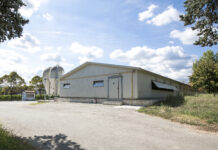
Usually, each farm has its own specific structural or design issues. However, many such issues can be corrected through gradual modifications over time. The key is not to become accustomed to them. I always suggest farm managers should have some long-term plans for such issues. To give an example, I used to visit a farm that was in the middle of a forest, with no effective barrier to keep wild animals away from the breeder houses. It had always been a big challenge to maintain the demanding biosecurity protocols. The company could not afford the costs of constructing a suitable wall or even a fence around the biosecurity zone. For ten years they had been working that way, and that was considered a normal way of working. A very common mistake in every job is getting used to deficiencies! One day I asked: “Can you afford to buy a single concrete block every day?”. The big boss was confused. I continued: “What if you had bought only one concrete block every day and put them together over these ten years? That would have been around 150 meters of wall”. The main idea is that getting used to mistakes or deficiencies and allowing them to grow into a chronic pain is a big mistake. Getting used to mistakes or deficiencies will lead to considering the issues “unimportant”, while every little issue matters in our job! You may ignore it and not see a big impact in the short term, but someday, at the worst time and situation, that might ruin what you have built over the years.
 Farm outdoor area order and discipline
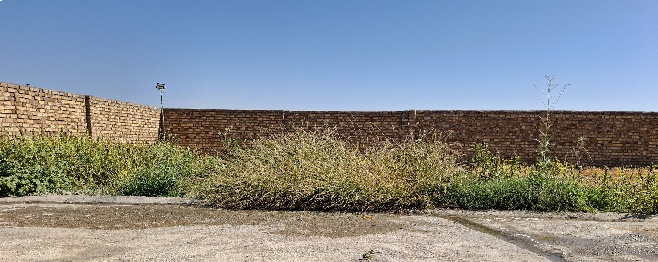
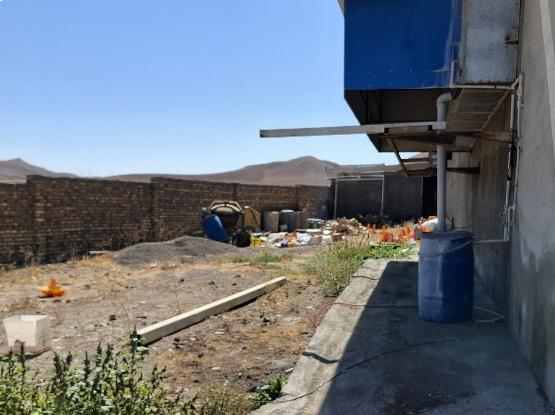
The arrangement and cleanness of the outdoor areas of each farm can affect the farm’s overall performance. Storing excess or defective supplies and equipment around the houses is a common mistake in breeder farms, which, in addition to having an unpleasant visual impact and instilling a sense of indiscipline in the staff, increases the population of undesirable animals such as mice and other rodents, which can jeopardize the biosecurity of the farm.
Trimming and maintaining vegetation is no exception to this rule and should be scheduled regularly to prevent it from becoming a habitat for rodents and other unwanted animals.
 Discipline
In many farms, most routine tasks are explained to the staff verbally and in general terms. For example, “Drinkers should be cleaned in the morning”, or “Ventilation fans should be cleaned once a week” and so on. Not specifying the time and details of the task on the one hand and the lack of written instructions and work procedures on the other causes confusion, disorganization and, of course, a haphazard implementation of tasks.
To prevent this, one of the most effective ways is to have a written or printed daily and weekly work schedule and routine, which, in addition to making it easier for the farm manager to monitor its proper implementation, will create order and discipline on the farm. When the time and details of each task are included in this plan, it creates ease and order in doing things and allows workers to focus their energy solely on doing the predetermined tasks instead of spending energy on planning things (see Zootecnica International, Sep. 2023, p. 12 for a sample of a daily schedule chart).
Feeders
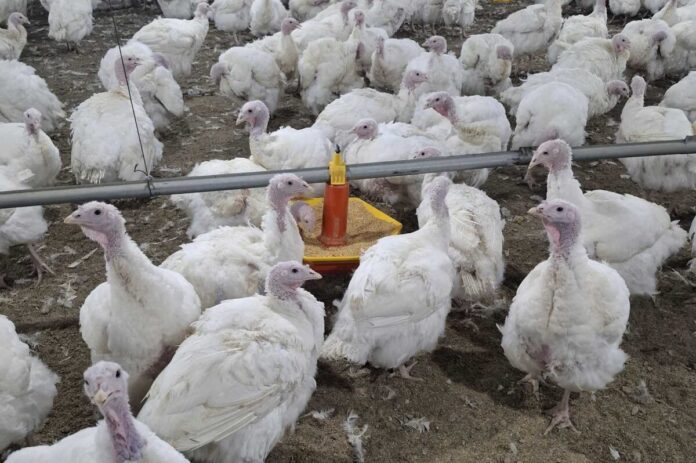
I have regularly seen in farms that the workers adjust the height of feeder higher than usual to prevent the litter from entering the feeders. Although this may not significantly reduce the flock’s feed consumption in statistics, I believe it will have an impact on weaker birds, especially those nearing the broody stage, and will increase the broody rate.
To have clean feeders, you may schedule one hour with no feed during the day, which I call “zero feed hour”. I ask the farmers to manage feed distribution in such a way that there is no feed left in the feeders at a specific time, say 2-3 pm. This is when the least amount of feed is consumed and the hens are busy playing in the litter and resting. Also, most contamination of feeders with litter occurs during these hours. Zero feed hour allows you to accurately determine the feed consumption for the 24-hour period, while being able to clean the feeders accurately and thoroughly.
The level of feed in feeders is very important, especially when using mesh feed. When feeders are overstocked, the stronger birds consume the coarser feed, leaving the finer feed for the smaller and weaker ones. In addition to causing a non-uniform flock, this can cause the stronger birds (which have consumed the coarser feed) to be at a disadvantage in terms of receiving essential micronutrients, which are usually in the form of powder, and to suffer nutritional deficiencies. On the other hand, the weaker birds that have eaten more fine feed will also suffer from energy and protein deficiencies, and consequently from impaired growth during rearing and a drop or cessation of laying during production. To prevent this, the feed level in feeders should be checked at least twice a day.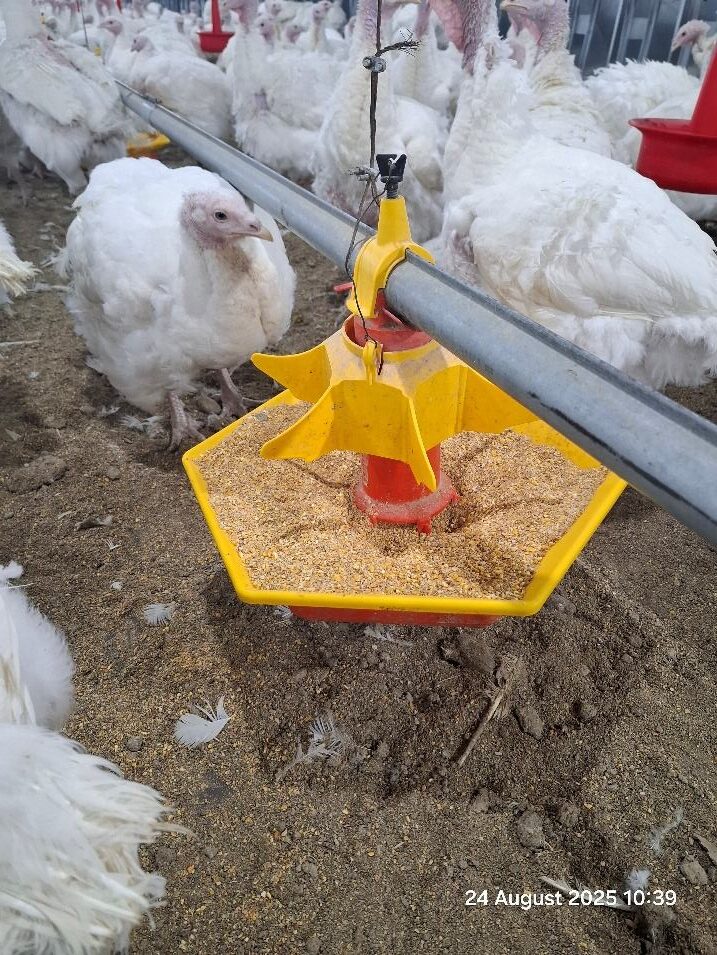
I personally prefer to activate the feeder lines every hour so that fresh feed is distributed properly and fairly to the flock. That would have an extra bonus for us during the broody peak time. The sound of the feeder lines conditions the turkeys, and by starting the feeder lines every hour during the broody peak period, we can somehow encourage the flock to consume as much feed as needed. The more feed is consumed by the fatigued turkeys, the fewer broody birds we will have.