
➤ Tom Tabler, Professor and Extension Poultry Specialist, Department of Animal Science, University of Tennessee Institute of Agriculture
➤ Tanner Thornton, Graduate Research Assistant, Department of Animal Science, University of Tennessee Institute of Agriculture
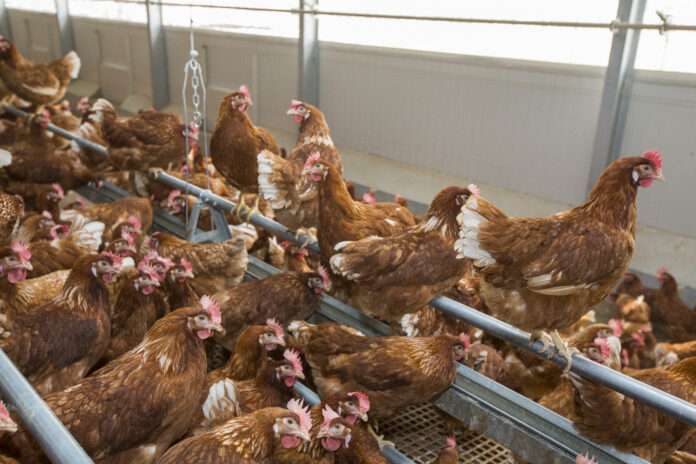
As the current highly pathogenic avian influenza (HPAI) outbreak enters its third year with no end in sight, a question gaining greater attention is “Should the US rethink its avian influenza policy?” The US Department of Agriculture’s Animal and Plant Health Inspection Service (USDA-APHIS) has been unable, thus far, to control the outbreak with its “stamping out” policy of depopulating H5N1-affected commercial egg production, broiler/broiler breeder, turkey and duck operations as well as small backyard poultry flocks. As of January 15, 2025, since the start of the HPAI outbreak in the US on February 8, 2022, 134.72 million birds have been affected. HPAI has been detected in a total of 1,410 flocks in all 50 states. Of those, 637 flocks have been commercial and 773 have been backyard. A new wrinkle was added in early 2024 when HPAI was first detected in dairy cattle in Texas. As of January 15, 2025, since the first detection in dairy cattle on March 25, 2024, there have been 927 confirmed cases in dairy herds in 16 states. California, alone, has 710 of these confirmed cases with 67 confirmed cases in the last 30 days. While HPAI H5N1 is not a new virus, this current version is one of the most concerning in recent history, in part because of its rapid global spread, persistence across all seasons (especially across warmer summer months when flu viruses typically show a decline), and the spillover into mammalian populations (particularly, the recent troubling spillover into dairy cattle).
Should (limited) vaccination of poultry flocks be considered?
Aside from the massive expense incurred by USDA-APHIS for indemnity payments, depopulation, disposal, personnel, equipment, biosecurity gear, resources (carbon material, foam, CO2, etc.) and logistics, producers have suffered serious physical, mental and financial stress, while consumers across the country are paying much more for their eggs. California residents were paying $8.97/doz. for state-mandated cage-free eggs in early January while the national price hovered around $4.85 a dozen. Compare that to the $1.67/doz. national average in 2021 before the current avian influenza outbreak started. Many table egg operations have multiple barns and are multi-million bird complexes. If one bird tests positive, the government policy is to “stamp out” the disease and depopulate the entire complex. Is this sustainable, and is there a viable alternative? Some operations that broke with HPAI in 2023 and had to be depopulated broke again in 2024 and had to be depopulated a second time. Could limited vaccination prevent this type of scenario in the future?
If H5N1 (the current HPAI strain causing all the problems) was a rare exotic infection that only affected one premises or a very few premises in a small, localized area only one time, a stamping out policy would seem advisable and an effective practice. However, after three years, H5N1 now appears endemic in much of the US and is reintroduced each year in the fall and spring during waterfowl migration seasons. The loss of 134.72 million birds, with this number increasing almost daily, would seem to indicate that the stamping out policy has been unable, at least until now, to contain the outbreak as intended. Evidence points to the HPAI virus being capable of moving by air on dust particles which makes it more difficult to contain to a localized site. In addition, we know the virus can easily move or be tracked by indirect transmission through a host of methods including humans (perhaps the #1 threat); contaminated feed, water or environment; shared equipment not properly cleaned and disinfected; rodents; pets and lapses in biosecurity, to name a few. Knowing that H5N1 now appears endemic in much of the US and knowing that even the best biosecurity cannot provide complete and total protection against HPAI, is it time to perhaps consider possible alternatives such as vaccination, at least in limited, localized high-risk situations or with certain types of birds (table egg layers and turkeys, maybe)?
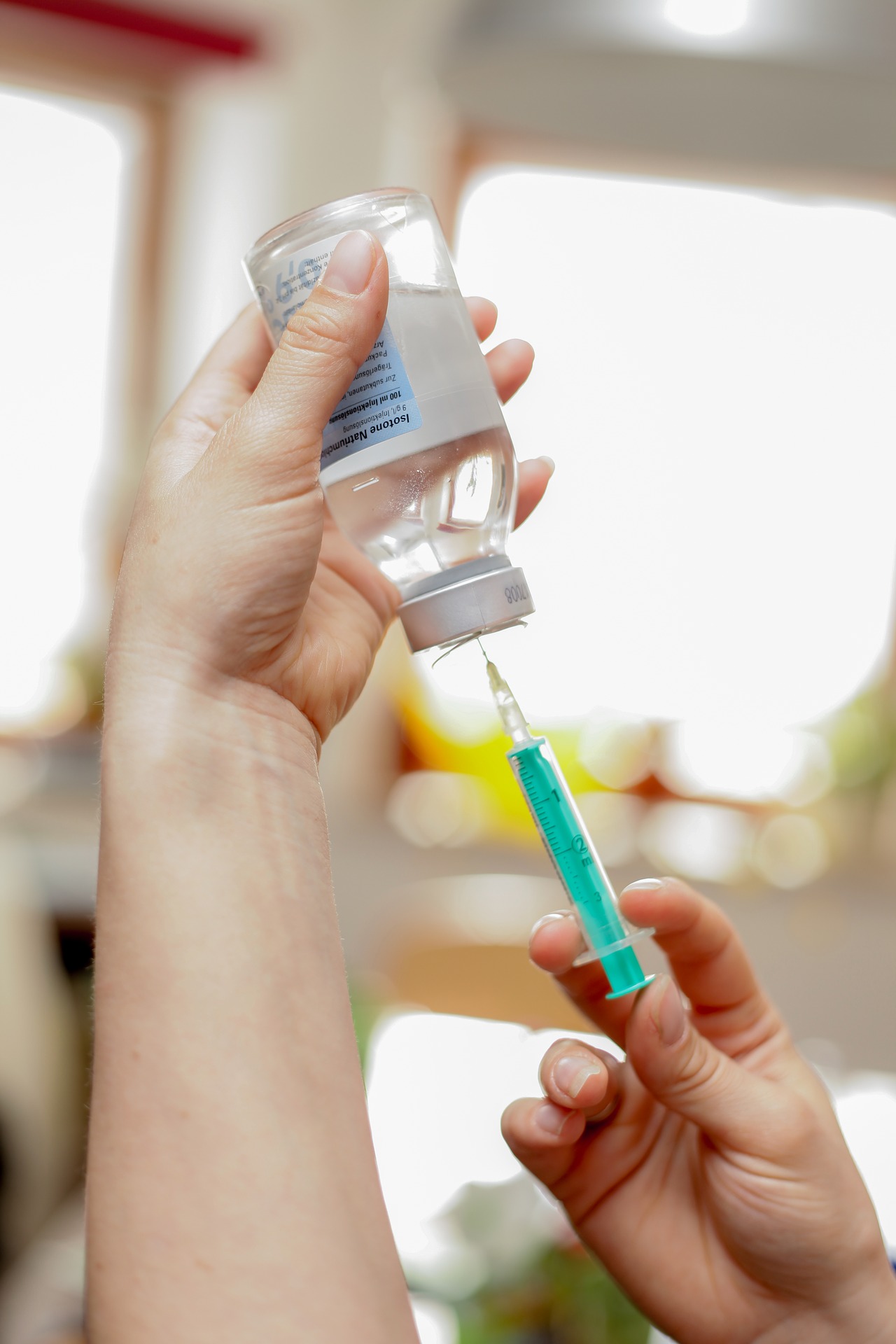
Granted, influenza viruses, including H5N1, have this annoying habit of mutating quickly. This makes it quite challenging to develop a single vaccine that remains effective against multiple variants over time. Vaccine companies are well aware that any vaccine created for today’s viral strain might be useless against a new mutation tomorrow. In addition, vaccinating poultry on a large scale is expensive and challenging, especially in countries like the US with a large poultry industry, thus the emphasis here on only table egg layers and turkeys. And vaccination itself is not a perfect solution. No doubt, there would be concern for the export market if vaccination comes into play, especially for the broiler industry, less, perhaps, for the table egg and turkey industries because we export much more broiler meat than we do table eggs or turkey meat.
HPAI risk to the public
HPAI continues to remain a serious threat to the poultry, and more recently, dairy cattle industries. However, currently, it is primarily an animal health issue with limited, but certainly concerning, implications for human health. To date, there have been 66 confirmed human cases of H5N1 in the US One person, with other underlying health issues, has died. Most human cases appear as a mild illness, such as conjunctivitis with mild respiratory symptoms, and the victims fully recover in a few days. The Centers for Disease Control (CDC) has carefully studied the available information about the person who died and continues to assess that the risk to the general population remains low. Most H5 avian influenza infections are related to animal-to-human exposures. Additionally, there are no concerning virologic changes actively spreading in wild birds, poultry or dairy cows that would raise the threat risk to human health. However, that doesn’t mean the threat can or should be taken for granted. Viruses can change and mutate over time. The longer the virus circulates in the environment and the more widespread it becomes in poultry and dairy cattle, the more opportunity it has to possibly change to something that is more easily transmittable to humans.
Be aware that domestic house/barn cats appear to be quite susceptible to avian influenza. California has reported a few cat deaths in animals that were exposed to raw milk on dairy farms with HPAI affected herds. Raw milk is a concern not only for cats but also for people. The CDC recommends that people avoid drinking raw milk. Anyone, even healthy children and adults, can get sick from drinking raw milk. Raw milk and products made from raw milk, including soft cheese, ice cream and yogurt can be contaminated with germs that can cause serious illness, hospitalization or death. Always choose pasteurized milk and dairy products to protect your health and the health of your family. Pasteurization is the process of heating milk to a high enough temperature for a long enough time to kill disease-causing pathogens, including HPAI H5N1 viruses. High-temperature-short-time pasteurization (HTST) is the most common method of pasteurization in the US and requires a temperature of at least 161 °F for no less than 15 seconds.
Although human infections with the HPAI virus are rare, having unprotected exposure to any infected animal or to an environment in which infected birds or other infected animals are or have been present increases the risk of infection. Avian influenza A viruses (of which H5N1 is a part) infect the respiratory and gastrointestinal tracts of birds, causing birds to shed the virus in their saliva, mucus and manure. Influenza A viruses can also infect the respiratory tract of mammals and cause systemic infection in other organs. Human infections with avian influenza viruses can happen when enough virus gets into a person’s eyes, nose or mouth or is inhaled.
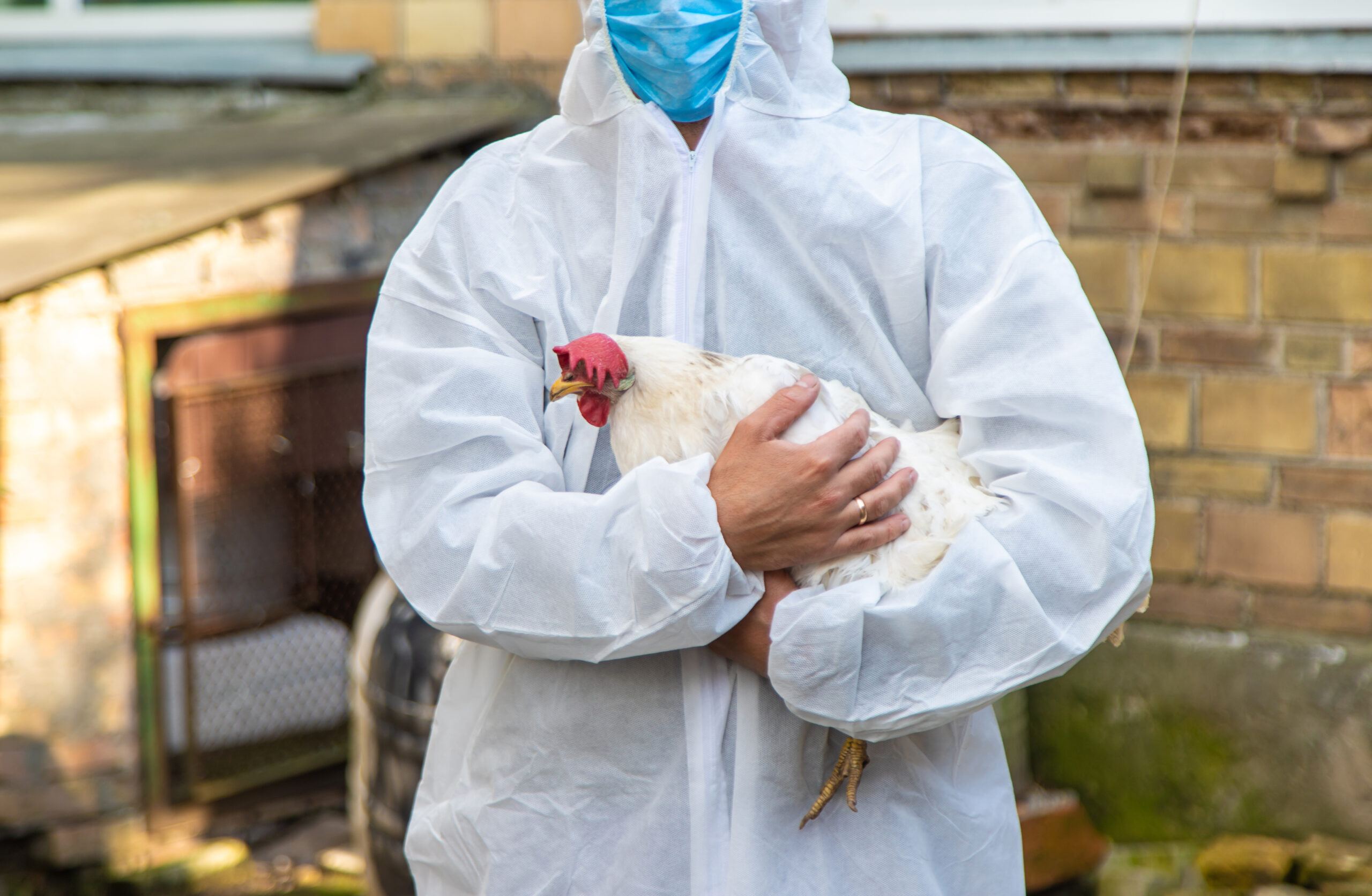
The CDC recommends avoiding exposure to sick or dead animals. If unable to avoid exposure, the CDC recommends that personal protective equipment (PPE) should be worn when in direct or close contact (within 6 feet) with sick or dead animals including poultry, wild birds, backyard flocks, or other animals, animal manure, litter or materials potentially contaminated with H5N1 viruses. PPE includes disposable head/hair covers, properly fitted unvented or indirectly vented safety goggles, a NIOSH-approved particulate respirator (N95® facemask), disposable fluid-resistant coveralls, disposable gloves and boots or boot covers.
Even though the CDC considers the current risk to the public from H5N1 to be low, persons with exposure to infected animals or contaminated materials, including raw cow’s milk, are at higher risk for H5N1 virus infection and should take recommended precautions, including using recommended PPE.
What this means for Tennessee poultry producers
It makes no difference whether you are a commercial or backyard flock producer, while USDA works to determine how best to address the avian influenza situation going forward, it means biosecurity has never been more important than it is today. It is heartbreaking to witness firsthand what producers in California are going through as the state works to gain control of the avian influenza situation there. Preventing a similar situation in Tennessee should be every flock producer’s highest priority. Yes, biosecurity is more work and, yes, biosecurity takes additional time to implement correctly. However, that extra time and effort will pay for itself many times over if it keeps avian influenza away from your flock. The time, effort and physical, mental, and financial stress of dealing with an avian influenza break is devastating. It can’t be stated any plainer than that. There is no cure for avian influenza. It is a virus, and antibiotics are useless against viruses. However, multiple companies are currently working on a vaccine. Vaccination would potentially result in fewer outbreaks and lessen the financial impact on the government and both the public and private sectors. The export question would need to be addressed; particularly where broilers are concerned; however, given the current avian influenza situation, it may be time to have that discussion.
Most commercial poultry producers understand biosecurity practices well because they have been exposed to them for years. Backyard flock keepers may not be as well versed. The avian influenza virus will not just appear in your flock. It must be put there somehow. Good biosecurity is designed to keep the virus from being put there. Often, it gets put there because of a breakdown in biosecurity, and someone or something tracks or moves the virus from one place to another. The virus is in the nasal secretions and the manure of infected birds, especially waterfowl but also starlings, blackbirds and a host of other wild birds in the environment that are currently carrying the virus. The three components of a good biosecurity program are all critical to protecting your flock—isolation, traffic control and sanitation. You must have all three to protect your flock. Providing only one or two is not good biosecurity and puts your flock at greater risk.
Isolate your flock as much as possible. Keep birds indoors to prevent poultry flocks from coming in contact with wild or migratory birds. This is easier for commercial growers than for backyard flock or free-range, organic flock producers. Restrict access to any water source that may have been contaminated by wild birds. If you are a backyard producer, separate birds by age and species. Backyard flock keepers often mix ages and species without incident, but doing so increases the disease risk, and the goal of biosecurity is to decrease the disease risk, not increase it. Biosecurity cannot totally eliminate the disease threat, but it can reduce the risk. If you must go to town for parts or go to the feed store or café or anywhere other poultry growers may visit, do not go home and check your birds without taking a shower and changing clothes and boots/shoes. You don’t want to track something you picked up in town back to your flock.
Traffic control—know who comes and goes and why. Keep a visitor’s log. Outside of you and your family, very few people have any business being around your birds. Your service technician, live operations personnel and feed truck drivers must come and go on your farm, but after that, the list gets pretty short of people who have any business being around your commercial poultry flock. Increased traffic flow means increased disease risk. Severely limit the number of people who have access to your birds. Sanitation is your friend. Clean and disinfect everything—people, materials equipment. Use a footbath at the entrance to your poultry houses or backyard coops/pens and change it often to keep it effective. Dry chlorine bleach works well as a disinfectant for footbaths and can be purchased at many poultry supply stores or on the internet. Keep hand sanitizer at the coop or in the control room and use that stuff. Dedicate footwear or use disposable booties that are only worn in the chicken house or the coop area to lessen the risk of tracking something inside. Biosecurity is pretty much just simple common sense, especially if you’ve raised birds for a while. However, if you are new to poultry production, the quicker you learn these things, the better.
Summary
The current avian influenza outbreak, now entering its third year in the US, continues to threaten poultry flocks and dairy cattle herds. The virus now appears endemic in many parts of the country, and reintroduction occurs each spring and fall during waterfowl migration seasons. The USDA-APHIS policy of “stamping out” the virus by depopulating affected premises, followed by cleaning, disinfecting and starting over, has been unable, up to this point, to rein in the outbreak. A question being asked more often today is whether the US should rethink its avian influenza policy and consider vaccination for avian influenza, at least in limited and localized situations that might include commercial turkey and table egg operations. This would require careful consideration of how this might affect the export market. In addition, vaccination has its own set of pros and cons. However, it could perhaps offer better control of the outbreak and lessen the physical, mental and financial toll on USDA-APHIS, the poultry industry and its producers. Meanwhile, biosecurity remains our best weapon for our own protection and protection of our flocks. Biosecurity requires extra time and effort but will pay for itself many times over if it keeps avian influenza away from our flocks.