
Changing diets and an ageing population may be contributing to a rise in serious Listeria infections across Europe, according to the new EU One Health Zoonoses Report from the European Food Safety Authority (EFSA) and the European Centre for Disease Prevention and Control (ECDC).
Every year, thousands of people across Europe fall ill after eating contaminated food, with eggs, meat and ready-to-eat food products among the most frequent sources of infection. The report shows that while food safety standards in Europe remain high, foodborne diseases continue to affect people across all age groups – especially those most vulnerable to severe illness – even though many of these diseases are preventable.
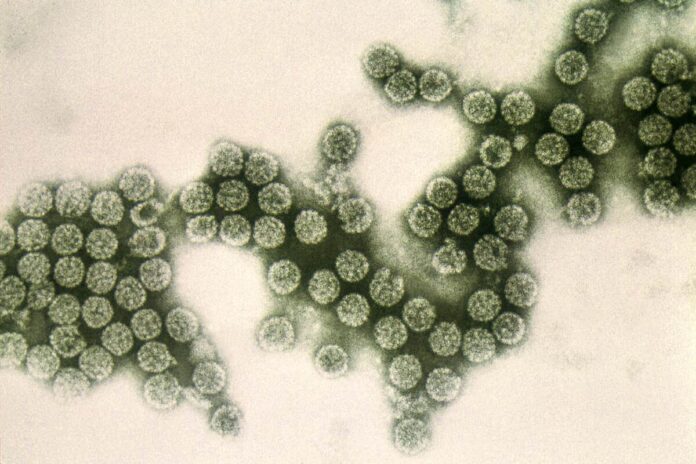
Listeria: a rare but serious infection
In 2024, Listeria caused the highest proportion of hospitalisations and deaths among all foodborne infections reported in the European Union (EU). Around seven in 10 people infected with Listeria needed hospital care, and one in 12 people died.
The upward trend of infections seen in recent years may reflect several factors, including Europe’s ageing population, changing eating habits – such as the increasing consumption of ready-to-eat foods – as well as improper food handling and storage practices.
For ready-to-eat foods, contamination levels remain very low across most categories: the latest data on Listeria monocytogenes shows that the proportion of samples exceeding the EU food safety limits ranged from 0% to 3% across all products analysed, with fermented sausages being the most frequently contaminated products.
‘Even though contamination is rare, Listeria can cause severe illness, which makes it one of the most serious foodborne threats we monitor’, said Ole Heuer, Head of ECDC’s One Health Related Diseases Unit. ‘Protecting groups vulnerable to these diseases, such as older adults, pregnant women or those with weakened immune systems, requires strong surveillance, safe food production and key precautions at home’.
Other common foodborne infections
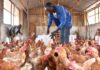
While Listeria poses the greatest risk of severe illness, Campylobacter and Salmonella remain the most common causes of foodborne illness in Europe, with poultry meat and eggs being important sources of infection.
Recent data in the animal sector also show a significant increase over the past decade in the number of breeding chickens and turkey flocks testing positive for Salmonella. Controlling these bacteria in the food chain remains essential to reducing human cases:
‘This year, a significant number of EU countries failed to meet all the targets for reducing Salmonella in poultry, with only 14 Member States reaching full compliance’, said Frank Verdonck, Head of EFSA’s Biological Hazards and Animal Health and Welfare Unit. ‘This reminds us that controlling foodborne bacteria along the food chain requires continuous effort and coordination across sectors, in line with the One Health approach’.
Most foodborne diseases are preventable
Following proper food hygiene practices in the kitchen can help people greatly reduce the risk of infection. These practices include:
- Keeping the fridge at 5°C or below.
- Consuming foods, including ready-to-eat products, before the use-by date.
- Cooking food thoroughly, especially meat and poultry.
- Washing hands, knives and surfaces after handling raw foods.
- Keeping cooked food separated from raw products.
Vulnerable groups should avoid consuming high-risk foods, such as ready-to-eat products, unpasteurised milk and soft cheeses made from it.
Source: European Centre for Disease Prevention and Control press release