
The UK government has announced what it describes as the most far-reaching animal welfare reforms in a generation, with the launch of a new Animal Welfare Strategy by the Department for Environment, Food & Rural Affairs (Defra). The strategy, published on 22 December, sets out a package of legislative and regulatory measures covering companion animals, farmed livestock and wildlife, with several proposals directly affecting poultry production systems.
According to the government, the strategy aims to modernise existing legislation, close regulatory loopholes and align animal welfare rules with the latest scientific evidence. The reforms build on recent measures already adopted in the UK, including tougher rules on puppy imports, higher zoo standards and enhanced protections for livestock against dog attacks.
Poultry housing and production systems in focus
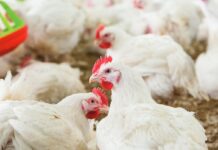
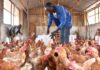
For the poultry sector, one of the most significant commitments outlined in the strategy is the intention to move away from confinement systems, including colony cages for laying hens. This aligns with a broader policy direction towards higher welfare housing systems and reflects long-standing public and industry debate on cage-free egg production.
The strategy also highlights the promotion of slow-growing meat chicken breeds, signalling government support for production models designed to improve bird welfare by reducing growth-related health issues. While no specific timelines or technical standards are set out at this stage, the government has confirmed that it will work with stakeholders to deliver the strategy by the end of 2030.
Wider farm animal welfare measures
Beyond poultry, the strategy proposes phasing out pig farrowing crates, addressing welfare concerns related to the use of carbon dioxide for stunning pigs, and introducing humane slaughter requirements for farmed fish. These measures reflect a cross-species approach to welfare reform within UK livestock farming.
Environment Secretary Emma Reynolds said the strategy delivers on a manifesto commitment to raise welfare standards for animals “in the home, on the farm and in the wild,” adding that legislation and current practices have not always kept pace with scientific evidence.
Industry and NGO responses
Animal welfare organisations have broadly welcomed the strategy. RSPCA described it as a significant step with the potential to improve the lives of millions of animals, explicitly citing the planned phase-out of cages for laying hens and farrowing crates for pigs. Compassion in World Farming noted that the proposed reforms could benefit more than seven million hens annually once implemented.
Retailers have also commented on the strategy. Waitrose stated that the reforms are in line with growing consumer demand for higher welfare products, noting that fast-growing chicken systems are among the practices the government intends to move away from.
Next steps
The government has confirmed that detailed consultations and secondary legislation will be required to translate the strategy into enforceable rules. Defra stated that it will work with farmers, industry bodies and animal welfare organisations over the coming years to implement the reforms by 2030.
For poultry producers, the strategy signals a continued policy shift towards cage-free egg production and slower-growing broiler systems in the UK. While further clarity is needed on timelines and support mechanisms, the direction of travel on animal welfare standards is now clearly set.
Source: www.gov.uk