
The ongoing war involving Iran is creating new uncertainty for the poultry sector in the Middle East and could influence global poultry trade. According to an analysis published by Rabobank RaboResearch, the conflict is disrupting poultry supply chains, trade flows, and the availability of key production inputs across the region.
A region gaining importance in the global poultry industry
The Middle East – including countries such as Iran, Afghanistan, and Turkey – is playing an increasingly important role in the expansion of the global poultry industry.
Although the region represents about 8% of the global poultry market, it accounts for almost 15% of global poultry trade and nearly 10% of worldwide poultry production growth.
Rabobank attributes this growth to several structural drivers, including:
ongoing population growth
rising consumption of chicken meat
national food security programs aimed at strengthening domestic poultry production
These factors have made poultry an essential component of protein supply in the region.
Conflict affecting supply chains and inputs
According to the Rabobank report, the outbreak of the Iran war has disrupted supply chains, trade flows, and the availability of inputs used by the poultry industry.
These disruptions are creating pressure on import-dependent markets in particular, as many countries in the region rely on international trade to secure poultry products or production inputs.
Countries facing the highest risks
Despite significant investments that have improved the resilience of poultry production in parts of the Persian Gulf, several markets remain vulnerable to supply disruptions.
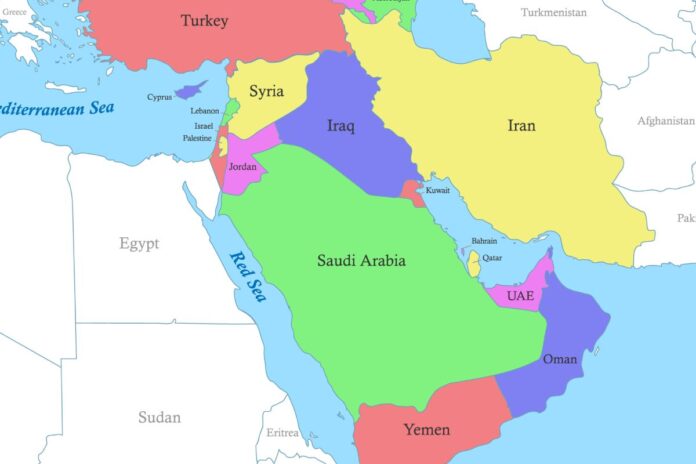
Rabobank highlights increased risks in countries including:
Iran
Kuwait
Oman
Iraq
Bahrain
United Arab Emirates
In these markets, the poultry sector could face greater exposure to supply and trade disruptions linked to the conflict.
Potential impact on global exporters
The Middle East is an important destination for international poultry exports. As a result, disruptions in the region could also affect global suppliers.
Rabobank notes that major exporting countries, particularly Brazil, may face significant trade challenges as a result of the conflict and its impact on regional markets.
Possible short-term benefit for local producers
While the situation creates uncertainty across supply chains, the report suggests that local poultry producers in the Middle East could temporarily benefit from higher prices, provided that domestic production continues.
Such market conditions could arise if supply constraints affect trade flows while local production remains stable.
Outlook depends on the duration of the conflict
Rabobank concludes that the scale of disruption for regional poultry industries and international suppliers will largely depend on the duration and escalation of the war.
If the conflict continues or intensifies, the impact on poultry supply chains and trade in the Middle East could become more significant.