

Highly pathogenic avian influenza (HPAI) activity continued to ease across Europe during spring 2026, with detections expected to remain at low levels over the summer, according to the latest quarterly report from the European Food Safety Authority (EFSA), the European Centre for Disease Prevention and Control (ECDC) and the European Union Reference Laboratory for Avian Influenza (EURL).
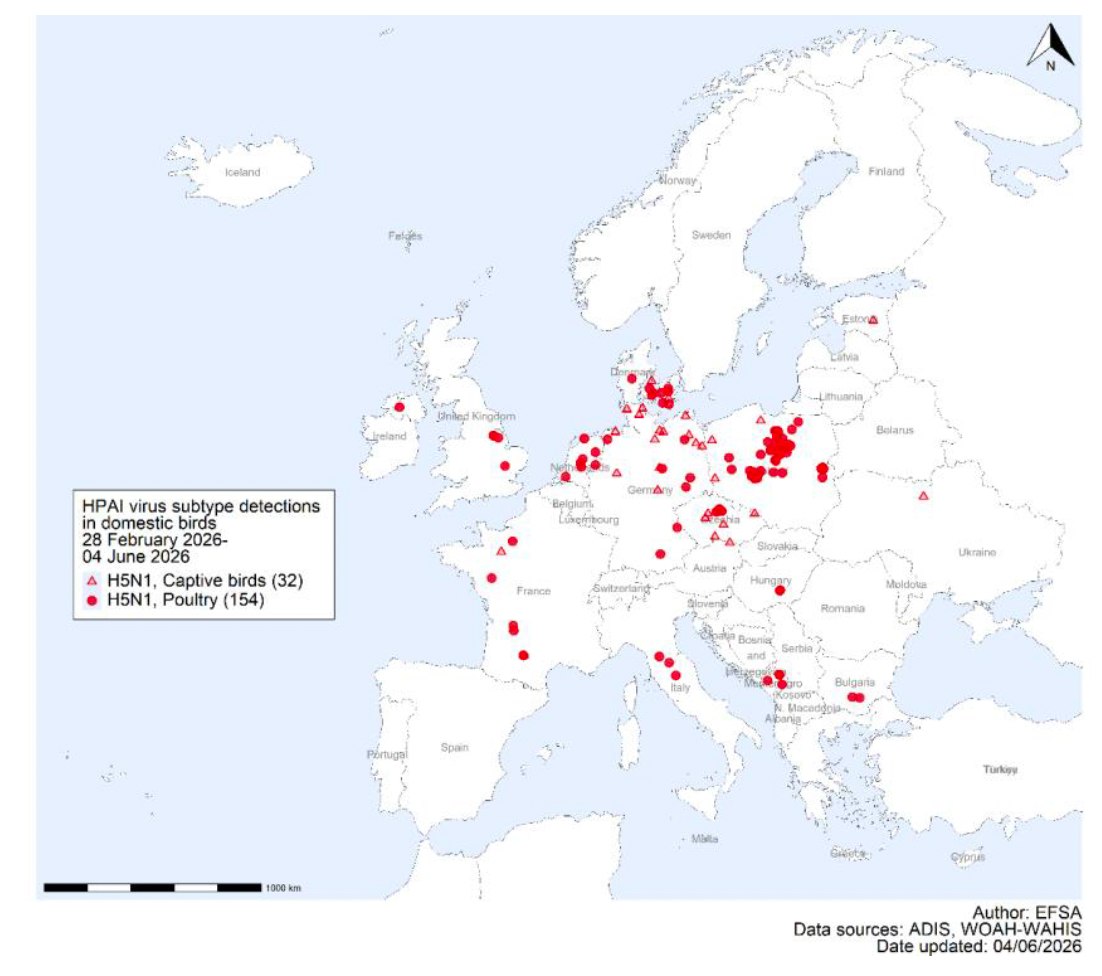
Between 28 February and 4 June 2026, European countries reported 186 HPAI outbreaks in poultry and captive birds, together with 763 detections in wild birds. While the number of outbreaks in domestic birds remained comparable to the same period in 2025, detections in wild birds were more than three times higher, reflecting the intense circulation of HPAI viruses among waterfowl during the past epidemiological season.
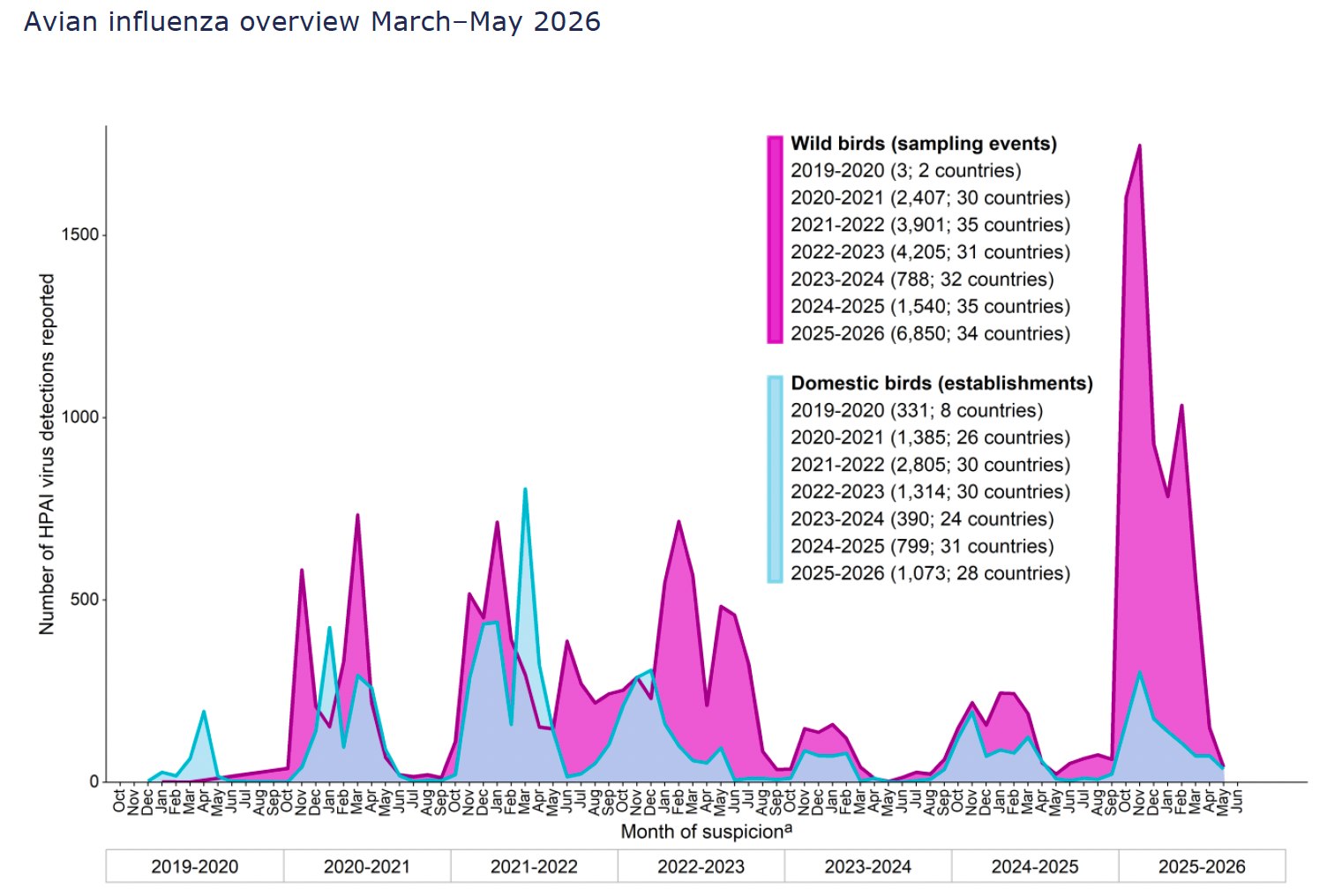
Despite that high level of viral circulation during the winter, the number of detections in mammals remained low. Red foxes were the species most frequently affected within the European Union, while, outside the EU, H5N5 virus was detected in a polar bear and a walrus in Norway. Overall, mammalian detections remained low compared with the number of avian outbreaks recorded during the winter season.
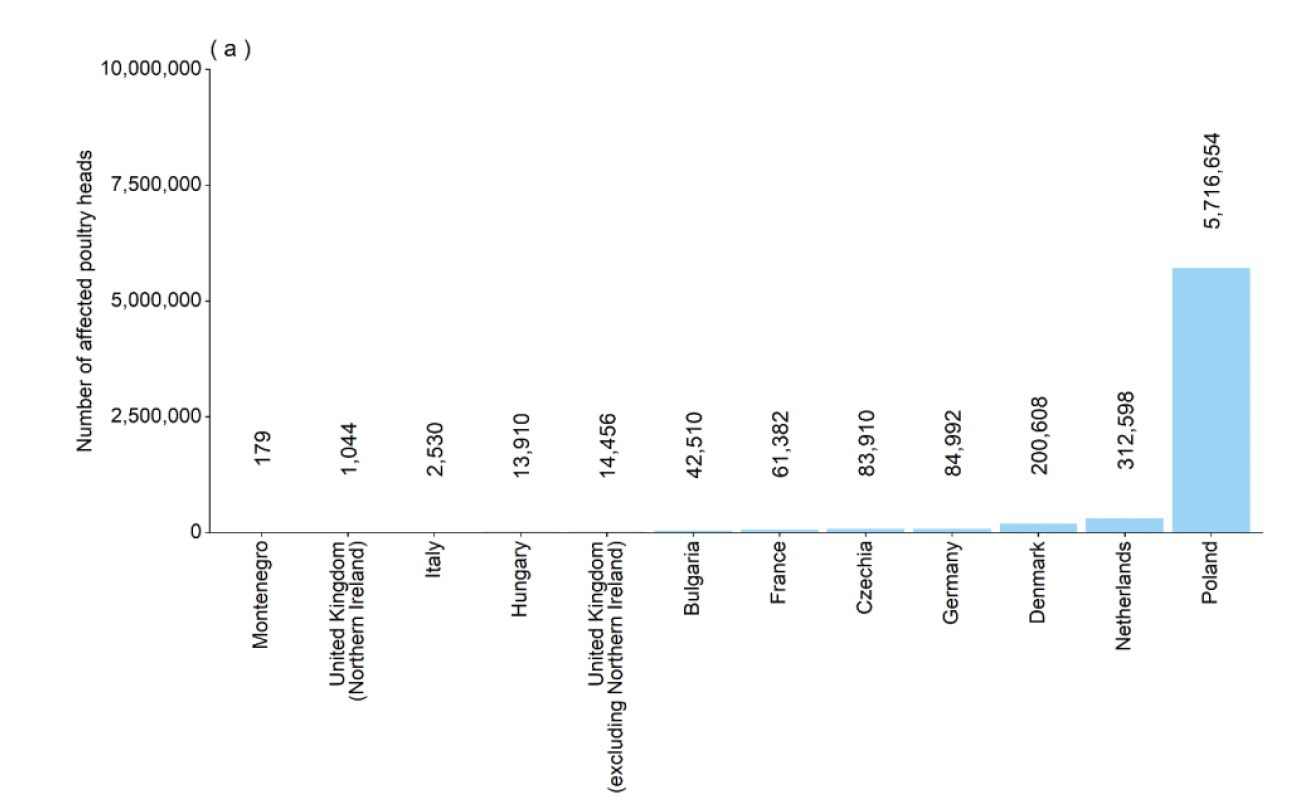
Most poultry outbreaks reported during the period occurred in Poland, where repeated virus introductions combined with secondary spread contributed to disease persistence. In most other European countries, outbreaks were linked primarily to direct or indirect contact with infected wild birds. France continued to report sporadic HPAI outbreaks in vaccinated duck flocks, although at lower levels than in previous reporting periods. Chickens, particularly laying hens and breeders, were the poultry categories most frequently affected.
Another notable finding was the first European detection of low pathogenic avian influenza (LPAI) H9N2 virus belonging to clade G5.5. The virus was identified in April in seven establishments keeping broiler chickens within a single settlement in Hungary. Increased mortality in one establishment initially raised suspicions of HPAI, but laboratory investigations instead confirmed H9N2 together with infectious bronchitis virus, indicating a co-infection. The source of introduction could not be determined, and all affected establishments were depopulated before cleaning and disinfection, with follow-up testing planned after repopulation.
Although H9N2 viruses have previously been detected in Europe, this is the first report involving clade G5.5, a lineage that has also been associated with sporadic human infections in the Middle East and West Africa. EFSA and ECDC recommend continued surveillance to monitor any further spread of the virus.
The public health assessment remains unchanged. Human infections continue to be rare, with no evidence of sustained person-to-person transmission. The risk for the general public in the EU and EEA is considered low, while people with occupational exposure to infected birds or contaminated environments continue to face a low-to-moderate level of risk.
Also read: EFSA annual report on avian influenza
Avian influenza: How Italy’s pilot vaccination programme for poultry farms will work