
Recent concerns about the impact of the poultry industry on the environment and natural resources are putting pressure on the supply chain to produce efficiently, mitigate their footprint, and improve waste management while satisfying the growing demand for poultry products. To achieve this objective, advancements along the supply chain are essential to become more environmentally friendly, from crops harvested for poultry feed to poultry farming and processing.
Where to start?
Raising awareness about environmental sustainability seeks to integrate poultry industry activity within their surroundings while safeguarding already threatened natural resources, biodiversity, and ecological services. Besides concerns regarding habitat and biodiversity loss, natural ecosystems help neighbouring communities and businesses cope with climate change adversity (such as alleviating severe weather conditions), purify air and water, mitigate noise and light pollution, and buffer human activity footprint among others. Such services are often taken for granted, and efforts to become more environmentally sustainable intend to preserve such benefits for current and future generations.
To do so, reducing reliance on natural resources, producing efficiently, and lowering outputs generated across the supply chain are key steps to foster sustainable practices in the poultry industry. Within this context, addressing process efficiency issues goes beyond feed efficiency to how natural resources (energy, groundwater, chemical compounds) are employed throughout the entire production cycle. Beside finding solutions to improve efficiency and lower resource use, efforts to reduce environmental footprint and waste must come along as well.
Improving efficiency and resource use
Land use change, from natural habitats to urbanization and industrial development, is a major concern in highly deforested areas because of the already damaging impact on the environment and natural resources. The pressure to produce efficiently is paramount in these regions to balance human needs and environmental protection. The poultry sector has become very efficient at producing meat for human consumption due to successful breeding programs, development of high-quality diets, and improvements in management and husbandry practices to increase poultry welfare and health. Nonetheless, there is room to enhance the use efficiency of feed, water, and energy for poultry production.
Feed production, transportation, and management impact significantly on the environmental footprint of the poultry industry. For example, importing feedstuff from far away (e.g., soy) increases hugely the footprint due to transportation emissions while sourcing local feed ingredients and by-products can be a better alternative to be more sustainable. In addition to feed-related impact, avoiding feed spillage should be a priority and automatizing feeding systems in mills and barns can help producers become more feed efficient.Feeder troughs with grids can also prevent birds from wasting feed while optimising feeder space. When it comes to feeding strategies, matching protein content and amino acid concentration to flock can further improve protein use efficiency and reduce ammonia indoor concentration. Extra protein no longer needed for growth and metabolic requirements is excreted as uric acid which can lead to ammonia in litter. These strategies at the barn level can help producers achieve low feed conversion ratio and high protein efficiency, while lowering ammonia emissions and supporting local economy by prioritising feed ingredient sourced nearby.
High demand for clean groundwater and low infiltration rate results in quick depletion of aquifers worldwide, highlighting the need for implementing water-saving technologies throughout the supply chain. At the barn level, nipple drinkers are more efficient to supply fresh water to poultry flocks while reducing water spillage and wet litter than watering cups and bell drinkers. Cooling systems can also reduce excessive drinking and increased pecking at drinkers during hot summertime. Yet, most water consumption in poultry barns takes place during deep cleaning. New technology and mindfulness practices can help bring down water usage during wet cleaning, disinfection, and rinsing. For example, pressure washers with low-flow and high-pressure settings and foam cleaning systems can save clean water during the entire process. Additional tips include dry cleaning first and reuse filtered water for pre-cleaning. For large operations, water recycling and rainwater harvesting systems can further release pressure on ground water reservoirs and decrease clean water use.
Adopting renewable, clean energy systems on-farm support low grid dependency, reduce power demand during peak hours, and save on electricity bills. These on-site microgrids using solar panel and windmills can help isolated barns operate independently and decrease emissions from fossil fuel or biomass energy systems. In addition to energy sourcing, energy-efficient lighting, ventilation systems, and barn infrastructure can additionally lower the energy consumption of poultry farms and become more energy efficient. In barns located in temperate climates, well-insulated walls, ceiling, and windows can reduce heat loss during cold winters and reflective roofing can alleviate cooling demand during hot summertime. Overall, these energy-efficient approaches at the barn level can reduce power demand and operate sustainably with a low environmental impact.
Mitigating waste and emissions
Poultry barns have low environmental impact on their own, but poor waste and manure management results in environmental deterioration due to ammonia and greenhouse gas emissions, soil acidification, and eutrophication of nearby water bodies. Litter management can be a hotspot for soil and water pollution but at the same a valuable fertilizer opportunity for agriculture and forestry. Composting poultry litter, and other organic byproducts, is a feasible solution to promote a circular economy, boost soil health, and reduce the need for chemical fertilizers by generating high-quality organic fertilizer. Nonetheless, to manage waste sustainably, poultry composters must be covered to prevent additional release of greenhouse gas and ammonia emissions, on concrete to prevent nutrient runoff and soil pollution, and for long enough time to kill potential pathogens and break down antibiotic residues before application as fertilizer.
Additional innovative solutions to composting includes biogas chambers where organic matter is processed to produce methane for renewable, energy production and the digestate solids can also be used as fertilizers. Same as feed, another option is pelleting litter to reduce odour, kill potential pathogens, and remove water for easy storage and transport (which is ideal for areas with high livestock density). Both require high investments in infrastructure and high volume of litter supply regularly to be profitable at a commercial scale.
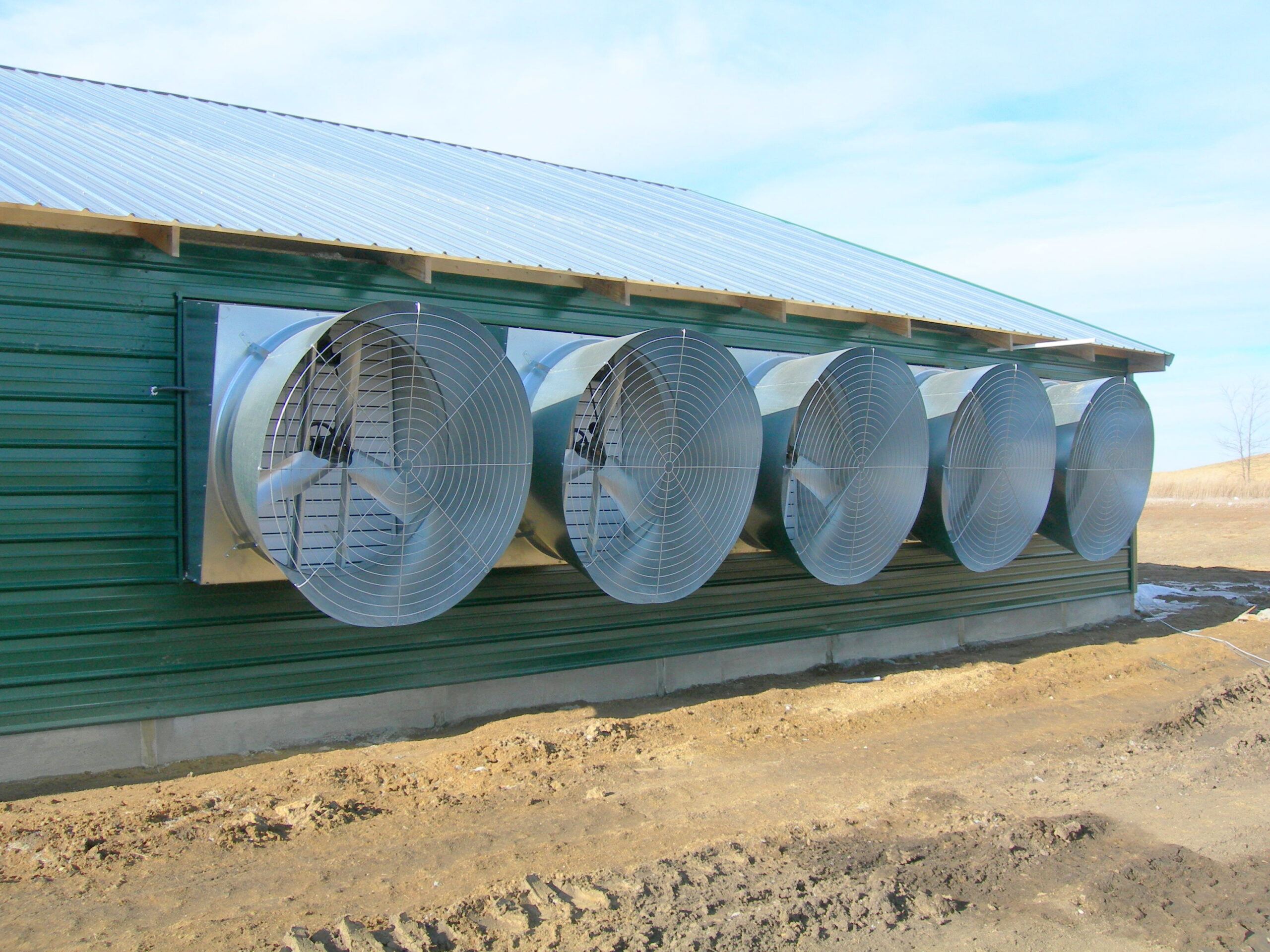 At the barn level, best management practices to reduce ammonia concentration include proper management of litter to reduce excessive moisture by adding wood shavings (or similar) as bedding material and, if needed, increasing ventilation rate & temperature to dry it up. Also, installing scrubbers or biofilters in outside fans help substantially improve the air quality released from poultry barns by capturing dust particles, bacteria in air, bad odour, ammonia, and potentially greenhouses gases too. Filtering wastewater before discharge is also recommended for proper water management since untreated wastewater contains high concentration of organic matter, microorganisms, and other residues that can contaminate drinking water reservoirs, disrupt soil health, and disturb nearby aquatic ecosystems.
Environmentally friendly solutions must also be economically viable and socially acceptable to become truly sustainable in the long run. Indeed, some of the above strategies are likely to save operational costs by lowering resource use, valuing byproducts of poultry farming and processing, and enhancing productivity outcomes. However, poultry farmers and companies should evaluate what management practices can particularly yield the greatest impact at reducing their environmental impact, improving resource use efficiency, and enhancing waste management with the highest investment revenue. Implementing altogether can help the poultry industry transition toward more sustainable practices while adding value along the way.