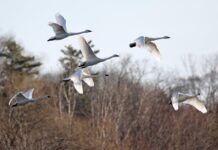

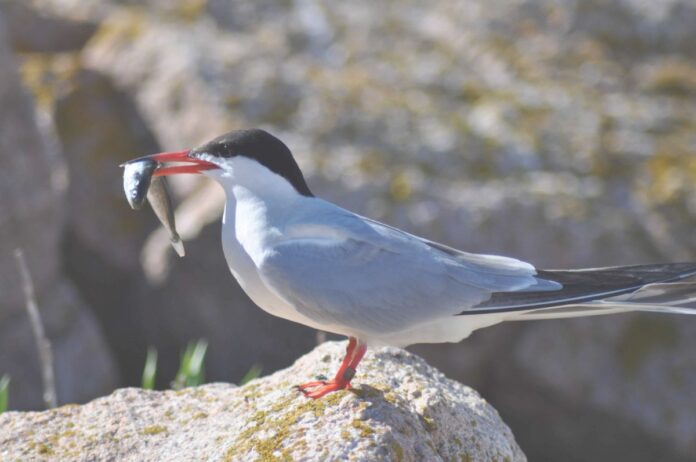
Australia has confirmed its first detection of H5 bird flu in Sydney, after a greater crested tern (Thalasseus bergii) found at Warriewood on Sydney’s Northern Beaches tested positive for the virus. The detection was announced on 4 September 2026 and is one of three new H5 bird flu events confirmed in New South Wales (NSW), alongside another greater crested tern at Port Kembla and a Hutton’s shearwater at Corindi, north of Coffs Harbour.
What the original report says
The story circulating on MSN traces back to a Xinhua dispatch published on 4 September 2026, which quoted NSW Agriculture Minister Tara Moriarty confirming that laboratory testing had identified H5 bird flu in a greater crested tern found on Sydney’s Northern Beaches.
The Warriewood detection is the first confirmed H5 bird flu event in Sydney since H5 high pathogenicity avian influenza was first detected in wild seabirds on mainland Australia in June 2026. Australia’s initial mainland detections were recorded in Western Australia.
NSW authorities have stressed that there have been no detections in commercial poultry flocks or captive birds in the state. Pet-bird and backyard-poultry owners are being advised to prevent contact between domestic birds and wild birds, while dog owners should prevent their animals from chasing or eating wild bird carcasses.
Northern Beaches Mayor Sue Heins has also warned that the Warriewood detection could be the “first of many” and urged the community to prepare for potentially serious impacts on local wildlife.
Additional cases and national context
The Sydney detection is part of a broader increase in H5 bird flu detections in Australian wildlife.
NSW has confirmed three new H5 bird flu events: a greater crested tern at Warriewood on Sydney’s Northern Beaches, another greater crested tern at Port Kembla, and a Hutton’s shearwater at Corindi, north of Coffs Harbour. The Corindi event is the first confirmed detection of H5 bird flu in a shearwater in NSW.
As of 3 September 2026, NSW had recorded 20 confirmed H5 bird flu events. Across Australia, 468 H5 bird flu events had been recorded as of 3 September, according to Australian Government and NSW reporting. The national figure includes events recorded in NSW, Western Australia, South Australia, Victoria, Tasmania and Queensland.
The Australian Government changed its reporting methodology on 12 August, moving from individual detections to “events”. An event can involve one or more animals, meaning event totals should not be interpreted simply as the number of infected individual birds.
There are currently no signs of mass mortality associated with the newly reported events in NSW, and surveillance is continuing.
Implications for the poultry sector
There are currently no detections of H5 bird flu in commercial poultry flocks in NSW. The continued absence of detections in poultry makes rigorous biosecurity particularly important as surveillance identifies the virus in additional wild birds and locations.
The virus has now been detected repeatedly in wild seabirds along parts of Australia’s east coast, with detections involving additional species and locations. However, it would be premature to describe H5 bird flu as “established” throughout eastern Australian wild seabird populations. Authorities continue to monitor the virus’s distribution and investigate further wildlife detections.
Biosecurity priorities include preventing contact between domestic or backyard birds and wild birds, avoiding feeding or allowing dogs to scavenge wild bird carcasses, and promptly reporting sick or dead wildlife.
The latest detections also reinforce the importance of maintaining strong biosecurity throughout the poultry supply chain, including among veterinarians, catching crews, transporters and other personnel moving between farms and areas frequented by wild birds.
Why this matters for animal production
The detection of H5 bird flu in a major urban and peri-urban area such as Sydney highlights the importance of maintaining strong biosecurity around backyard and smallholder poultry, particularly where domestic birds may have access to coastal or estuarine environments frequented by wild birds.
For commercial producers, the immediate situation remains one of no confirmed H5 detections in poultry in NSW, rather than an outbreak in the poultry sector. Nevertheless, the increasing number of wildlife events underlines the need for continued vigilance.
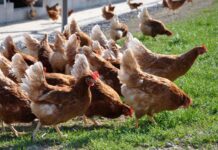
This is particularly relevant for operations where contact with wild birds is more difficult to prevent, including some free-range systems. Practical measures include restricting wild-bird access to poultry areas where possible, monitoring birds for signs of illness, maintaining clear biosecurity procedures for staff and contractors, and ensuring that unusual mortality or illness is reported promptly.
Australia’s H5 situation remains primarily a wildlife health issue at this stage, but continued surveillance will be critical to detecting any potential spillover into domestic poultry.