
France has raised its risk level for highly pathogenic avian influenza (HPAI) from moderate to high across mainland France. The decision applies to operators keeping poultry and other captive birds.
The decree, dated 13 November and published in the Official Journal on 19 November, came into force the following day. It replaces the decree that had established a moderate risk level from 5 November.
Outbreaks and wild bird detections
The decree cites an increase in HPAI cases among wild birds in neighbouring countries, confirmed cases in wild birds in France and outbreaks in backyard flocks. It also points to the risk of migratory birds spreading the virus to kept birds along routes crossing France.
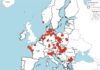
According to the French Ministry of Agriculture’s update of 20 November, six outbreaks have been detected since the beginning of the season in early August: three on commercial farms in Maine-et-Loire and three in backyard flocks or captive birds in Gironde, Seine-Maritime and Landes. The regional agriculture authority for Pays de la Loire has also reported cases in wild birds in the Camargue.
Measures for poultry keepers
Under France’s existing avian influenza regulations, the move to high risk extends strengthened protection measures across mainland France.
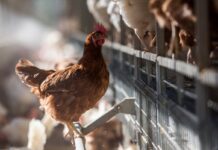
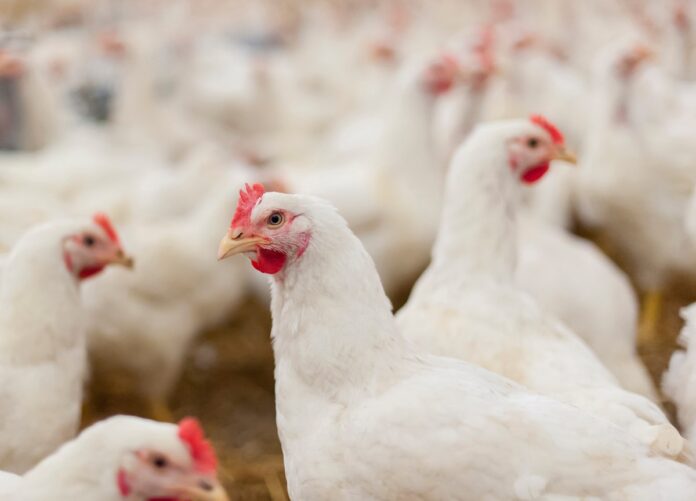
On holdings with 50 or more poultry, birds must generally be kept in a closed building. Certain exceptions are permitted under specific conditions, including for some free-range production systems. Feed and drinking water must also be protected from wild birds.
On holdings with fewer than 50 poultry, birds must be confined or protected by netting. The regulations also provide for specific exemptions for some captive birds, including birds kept in zoos, subject to authorisation following a risk assessment.
Gatherings of poultry and captive birds are also prohibited, although the regulations provide for exceptions under specified conditions.