
Introduction
The poultry industry is under increasing pressure to reduce antibiotic use due to antimicrobial resistance and consumer demand for safer products. Garlic (Allium sativum) and its bioactive compound allicin have emerged as promising phytogenic feed additives. Recent reviews highlight that allicin possesses antimicrobial, antioxidant, and immunomodulatory properties, making it a strong candidate for broiler production without conventional antibiotics.
Allicin: bioactive properties
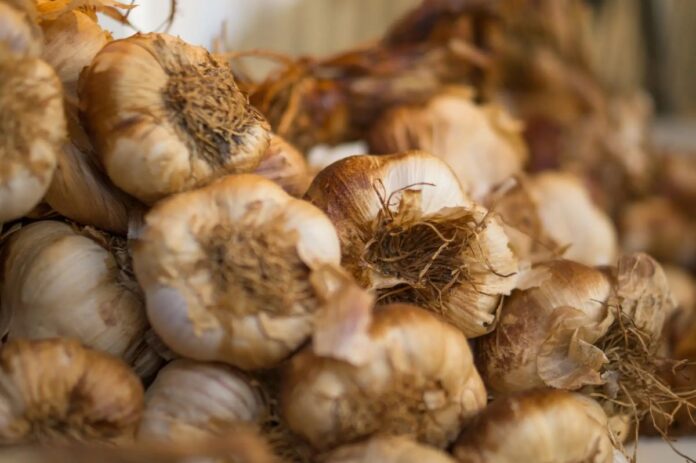
Allicin is formed when garlic cloves are crushed, activating the enzyme alliinase. This compound has demonstrated broad-spectrum antimicrobial activity against pathogens such as Escherichia coli and Salmonella. Its antioxidant properties also mitigate oxidative stress, supporting nutrient absorption and metabolic efficiency. Kenyan trials further confirm allicin’s ability to reduce pathogenic load in broilers, positioning it as a viable antibiotic alternative.
Impact on gut health
Gut health is central to broiler productivity. While antibiotics often disrupt beneficial microflora, allicin selectively inhibits harmful bacteria while allowing beneficial microbes to thrive. This balance promotes improved intestinal integrity and enhances feed conversion. Research has shown that broilers supplemented with garlic extract containing allicin exhibit higher villus height in the small intestine, indicating better nutrient uptake.
Growth performance and carcass quality
Replacing antibiotics with allicin has shown promising results in growth performance metrics. Broilers receiving garlic supplementation often demonstrate improved body weight gain, reduced feed conversion ratio (FCR), and lower mortality rates. Additionally, carcass quality benefits include leaner meat with reduced abdominal fat deposition and enhanced flavor attributes, aligning with consumer preferences for healthier poultry products.
Immunomodulatory effects
Beyond antimicrobial action, allicin strengthens the immune system. It stimulates macrophage activity, enhances lymphocyte proliferation, and increases antibody production. This immunomodulatory effect equips broilers to better resist common pathogens, reducing reliance on therapeutic antibiotics and improving flock uniformity.
Practical applications in broiler production
For poultry producers, incorporating garlic extract or allicin into feed formulations offers a natural, sustainable strategy to maintain productivity under antibiotic-free conditions. Key considerations include:
- Dosage optimization: Effective levels vary, but excessive supplementation may reduce palatability.
- Formulation stability: Allicin is unstable and requires encapsulation or controlled-release technologies to preserve activity during feed processing.
- Synergistic use: Combining allicin with probiotics or prebiotics may enhance synergistic effects on gut health and performance.
Conclusion
Garlic allicin is a promising alternative to antibiotic growth promoters in broiler production. Its antimicrobial, antioxidant, and immunomodulatory properties may contribute to better gut health, growth performance, and carcass quality. However, practical effectiveness depends on dose, formulation, and feed stability, and further research is needed before broad commercial adoption.
Source: MDPI Animals, 14(3), 498