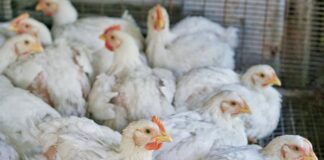

India’s growing use of maize for ethanol is adding another layer of pressure to a market already crucial for poultry producers. As demand from distilleries rises under the Ethanol Blended Petrol (EBP) programme, competition for maize is becoming more intense, with consequences for feed costs and egg prices, and the potential to put further pressure on chicken prices.
Policy background: from sugar to grains
India’s National Policy on Biofuels was amended in 2022 to bring forward the E20 target — 20% ethanol blending in petrol — from 2030 to Ethanol Supply Year (ESY) 2025–26. The government has since stated that no decision has been taken to raise the nationwide blending level beyond 20%. E85 fuel has, however, been introduced for vehicles specifically designed and certified as flex-fuel vehicles.
The programme initially relied mainly on sugarcane-based feedstocks, but maize has taken on a much larger role as the country has broadened the raw materials used for ethanol production.
Official parliamentary data for ESY 2025–26 indicate a supply/allocation of about 478 crore litres of maize-based ethanol. This corresponds to 125.78 lakh tonnes of maize — around 12.58 million tonnes — already used or expected to be used under those allocations.
The contribution of maize towards ethanol blending rose from 0% in ESY 2021–22 to around 37% in ESY 2025–26.
Industry estimates suggest that ethanol-related maize demand could rise further in ESY 2026–27, although these projections are not government targets.
Maize in poultry feed: a structural dependency
For poultry producers, maize is difficult to ignore. It is the main energy ingredient in Indian poultry diets, and industry estimates cited by Indian media put its share at roughly 50–55% of feed by weight. The exact proportion varies with formulation, ingredient availability and production conditions.
Feed itself is the largest cost item in poultry production. Estimates cited by the industry place it at around 65–70% of total egg production costs, with maize and soybean meal among the main ingredients.
That leaves producers particularly exposed when maize becomes scarcer or more expensive.
Price dynamics: feed costs up, margins under pressure
Prices moved sharply during 2026. By September, wholesale maize prices were around ₹27 per kg, while poultry feed had risen from roughly ₹25 per kg in April to more than ₹30 per kg by mid-September.
Ethanol demand is only part of the picture. Crop availability, weather and the cost of other feed ingredients have also played a role.
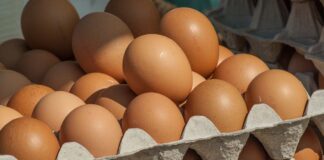
Egg prices have climbed as well. Industry figures cited in the Indian media point to increases of about 35–40% year on year in some markets and periods. Seasonal demand and production conditions have contributed alongside higher input costs.
For broiler and layer producers, the result has been tighter margins. Farmers report having to choose between passing higher feed costs on to consumers and absorbing them through lower margins or outright losses.
The core tension: food, feed and fuel
The central question is whether maize supply can keep pace with several competing uses at once: poultry and livestock feed, food, industrial processing and ethanol.
Ethanol has quickly become a significant additional source of demand for a grain that was already central to poultry production.
Government policy treats different ethanol feedstocks differently. Surplus rice held by the Food Corporation of India may be released for ethanol only after buffer-stock, public-distribution and welfare requirements have been met. Maize is separately approved as an ethanol feedstock, while the surplus-stock mechanism described by the government specifically applies to FCI rice.
The government maintains that the ethanol programme is based on a diversified feedstock base and has also promoted second-generation ethanol from agricultural residues.
Poultry producers see the issue differently from distillers. Industry representatives argue that maize remains difficult to replace fully in commercial diets, especially in the short term. Ethanol plants have more scope to shift between feedstocks, while poultry producers have fewer short-term alternatives to maize.
Implications for poultry production and feed strategy
For feed manufacturers, one response is to make formulations more flexible where possible. Government sources say the poultry feed industry is also adopting domestically available ingredients such as rice bran, broken rice, bajra and wheat offal.
The current situation also makes closer monitoring of crop conditions, feed ingredient prices and policy decisions more relevant for poultry businesses.
Industry representatives have called for higher domestic maize production and better availability of feed ingredients. ICRIER, separately, has suggested that India may need to consider a lower ethanol blending rate when feedstocks such as maize and sugar are in short supply.
India’s experience shows how quickly biofuel demand can feed into livestock production costs when fuel