

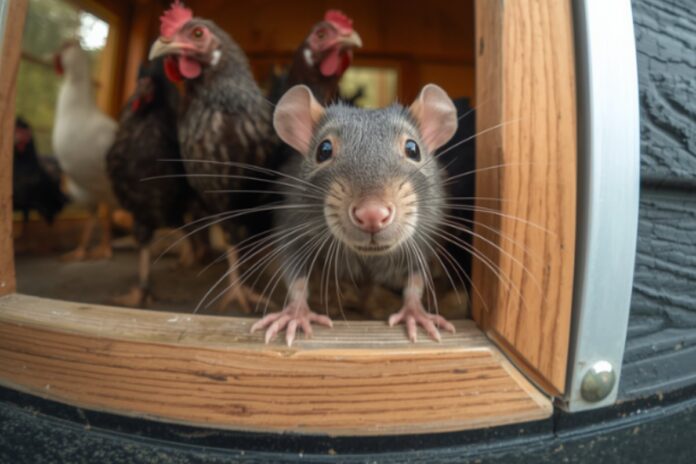
Rodent infestations remain one of the most persistent challenges in poultry farming. Beyond damaging infrastructure and feed supplies, rodents are vectors of diseases that threaten both animal welfare and food safety. In recent years, European poultry farms have adopted innovative technologies to strengthen biosecurity and reduce reliance on traditional chemical methods. These advancements combine precision monitoring, automation, and sustainable practices to create more effective rodent control strategies.
Smart monitoring systems
- One of the most significant breakthroughs is the use of sensor-based monitoring.
- Modern farms now deploy smart traps equipped with motion detectors and wireless connectivity.
- These devices not only capture rodents but also send real-time alerts to farm managers, allowing immediate response.
- Data collected from these systems helps identify infestation hotspots and track rodent activity patterns, enabling farms to design targeted interventions rather than blanket treatments.
Artificial intelligence and predictive analytics
AI-driven platforms are increasingly used to analyze rodent behavior. By processing data from sensors, cameras, and farm records, predictive models can forecast potential outbreaks. For example, algorithms may detect correlations between feed storage practices and rodent presence, suggesting preventive measures before infestations escalate. This proactive approach reduces costs and minimizes the need for toxic rodenticides.
ICAERUS – RODENT Project
In European poultry farming, the RODENT (Rodent Obstruction through Drone-Enabled Non-invasive Technology) project offers a sustainable solution to one of the sector’s persistent biosecurity challenges: rodent infestations in feed storage and production facilities.
- By deploying drones equipped with thermal cameras and ultrasound deterrents, farmers can monitor and repel rodents without relying on chemical rodenticides, which often contaminate feed and compromise flock health.
- This approach not only reduces disease transmission risks in poultry houses but also aligns with EU sustainability goals by safeguarding animal welfare and food safety through eco-friendly pest control.
Eco-friendly control methods
Sustainability is a growing priority in European agriculture. Farms are adopting biological and ecological solutions such as ultrasonic repellents, natural predators, and non-toxic bait formulations. Ultrasonic devices emit frequencies that disrupt rodent communication and nesting behavior, while eco-friendly baits reduce environmental contamination. Integrating these methods aligns with European Union regulations that encourage reduced chemical use in food production systems.
Integration with biosecurity protocols
Rodent control technologies are most effective when integrated into broader biosecurity frameworks.
- Automated monitoring systems can be linked to farm management software, ensuring that rodent alerts are part of daily operational checklists.
- This integration supports compliance with EU standards and strengthens overall disease prevention strategies, protecting both poultry health and consumer safety.
Conclusion
The future of rodent control in European poultry farms lies in technology-driven, sustainable solutions. Smart monitoring, AI analytics, robotics, and eco-friendly deterrents are transforming how farms address this age-old problem. By combining innovation with biosecurity, European producers are not only safeguarding their flocks but also contributing to safer and more sustainable food systems.
Sources can be provided upon request