

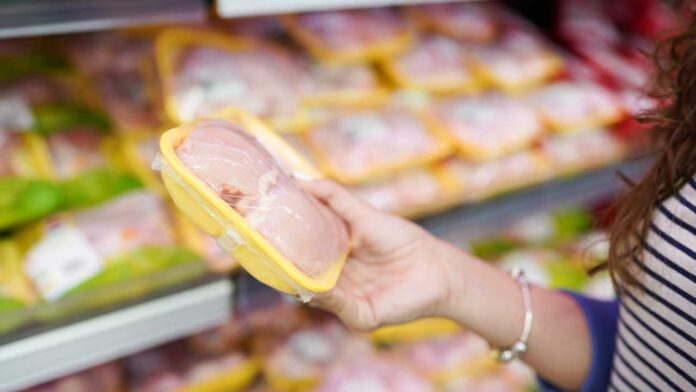
A new bio-coating technology enriched with natural antimicrobial agents has shown the potential to substantially extend the shelf life of chilled poultry, offering major benefits for food safety, sustainability, and the poultry industry. Studies demonstrate that edible coatings based on pectin, citrus bioflavonoids, and chitosan can significantly slow microbial growth and preserve sensory quality. MDPI
Introduction
Poultry is one of the most consumed proteins worldwide, but its short shelf life under refrigeration poses challenges for producers, retailers, and consumers. Traditional methods like modified atmosphere packaging (MAP) help, but recent research highlights the promise of bio-coatings—natural, edible films enriched with antimicrobial compounds—as a potential solution.
What is a bio-xoating?
- Definition: A thin, edible layer applied to poultry cuts, often made from biopolymers like pectin or chitosan.
- Function: Acts as a barrier to oxygen and moisture, while delivering antimicrobial agents directly to the surface.
- Examples of agents used: Citrus bioflavonoids, glucono-δ-lactone, and chitosan. MDPI
Research findings
Shelf-life extension
- Control samples (no coating): 6–7 days at 5 °C.
- Glucono-δ-lactone coating: Extended shelf life by ~2 days.
- Citrus bioflavonoid coating: Extended shelf life to 13 days, compared to 6–7 days in untreated samples.
- Chitosan coating: Preserved microbiological quality and sensory attributes, delaying spoilage significantly. MDPI
Mechanism of action
- Antimicrobial activity: Inhibits spoilage bacteria such as Pseudomonas spp. and Brochothrix thermosphacta.
- pH regulation: Some coatings lower surface pH, creating unfavorable conditions for microbial growth.
- Barrier properties: Reduce oxygen exposure, slowing oxidative changes and discoloration.
Benefits for the poultry industry
- Food safety: Reduced microbial load lowers risk of foodborne illness.
- Economic impact: Longer shelf life reduces waste and improves profitability.
- Sustainability: Less spoilage means fewer discarded products, aligning with global food security goals.
- Consumer confidence: Fresher appearance and better sensory quality increase market acceptance.
Risks and challenges
- Regulatory approval: Bio-coatings must comply with food safety regulations before widespread adoption.
- Cost considerations: Scaling production of natural antimicrobial agents may increase costs initially.
- Consumer perception: Acceptance of edible coatings depends on clear communication about safety and benefits. Springer
Conclusion
The development of bio-coatings for chilled poultry represents a promising development for meat preservation. By combining natural antimicrobial agents with edible films, researchers have demonstrated significant shelf life extensions compared to untreated poultry. This advancement not only enhances food safety but also supports sustainability by reducing waste in the poultry supply chain.
Sources can be provided upon request