

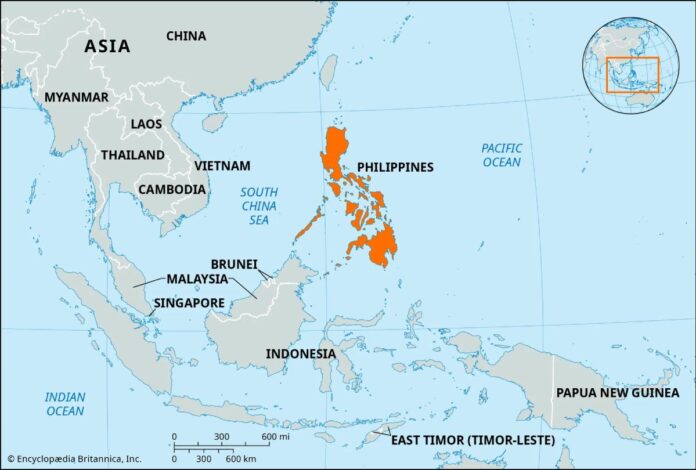
The Philippines has reported a new outbreak of highly pathogenic H5N1 bird flu among backyard birds in Oriental Mindoro, according to the World Organisation for Animal Health and Reuters. The event was detected in a flock of 39 birds in the town of Capalan, as reported by WOAH through the Philippine authorities.
The case is relevant for the poultry sector because backyard flocks often sit at the interface between domestic birds, wildlife, and informal movement of animals, making surveillance and containment more difficult. So far, the available reports only confirm the outbreak notification and do not indicate any spillover to commercial farms or any human infections linked to this event.
From a public health perspective, the situation does not change the broader global risk profile, but it does reinforce the need for monitoring and biosecurity. WHO notes that avian influenza viruses do not spread easily from person to person, although they can cause severe disease and continue to require close surveillance. FAO likewise describes avian influenza as a highly contagious disease with zoonotic potential, underscoring the importance of rapid reporting and preventive control.
This outbreak adds to the continuing circulation of avian influenza in different regions of the world. For producers and veterinarians, the key message is that backyard holdings remain a sensitive point in early detection and disease control, especially where biosecurity is inconsistent. Rapid notification, movement controls, and separation between backyard and commercial poultry systems remain the most important practical measures.