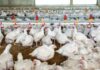

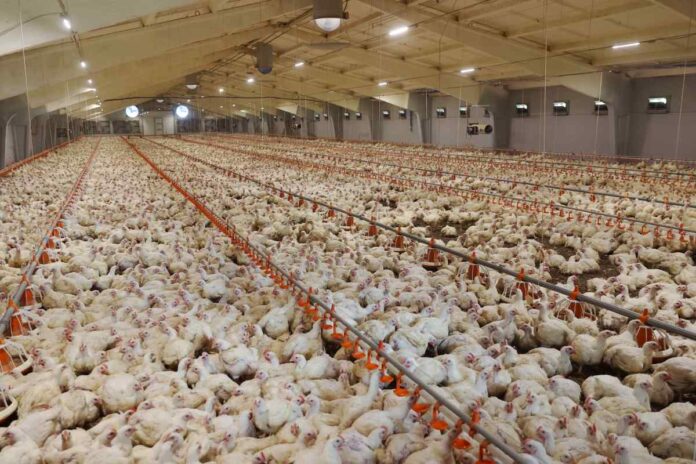
Ready-to-cook (RTC) chicken production ran 4.5% above year-ago levels in the second quarter of 2026, well ahead of expectations set earlier in the spring, according to the latest RaboResearch North American agribusiness outlook. Both higher slaughter, up 3.4%, and modestly heavier bird weights contributed to the increase. Cooler weather through spring and early summer supported faster growth, while improved bird health contributed to better livability.
That extra volume has landed on a market that hadn’t fully absorbed it. Composite chicken prices averaged 10% below year-ago levels in the second quarter, sitting well under historical norms. Boneless breast meat has been hit hardest, running 37% below both year-ago prices and the five-year average heading into the third quarter. Deboned thigh and leg meat are also under pressure as the market works through the added supply. Wing prices are the exception, showing modest improvement on the back of World Cup-related takeaway demand, with the upcoming football season offering another potential source of support.
RaboResearch expects a normal seasonal production cut this fall to help rebalance the market by the fourth quarter, but sees little relief materializing during the third quarter itself. Higher inventories and softer foodservice traffic are likely to cap near-term price gains, particularly with gasoline prices showing limited improvement and no visible easing in consumer price points. The bank’s current forecast calls for 3% year-over-year growth in full-year RTC production. Even with better retail and foodservice promotion expected to help stabilize the market, RaboResearch says a marked repricing could still be several quarters away.
June broiler exports told two different stories. Volumes were flat, while export values fell 1.6% year-over-year. Shipments to Mexico, the largest single export market at 25% of the total, rose 1%, a notable result given the relatively depressed local market. Volumes to Guatemala, Angola, Ghana, China and the United Arab Emirates posted double-digit growth, while shipments to Canada, Cuba and the Philippines dropped sharply. Chinese HPAI-related restrictions were lifted for 17 US states during the quarter, a change that could support additional export volumes in the second half of 2026 and into 2027. Lower leg-quarter prices may further aid US competitiveness in key export markets during the second half of the year. RaboResearch has raised its export outlook to a range of flat to +2% versus last year, while continuing to monitor US-Mexico-Canada Agreement (USMCA) negotiations and the effect of a stronger Mexican peso on import volumes.
The 2026 US corn crop is estimated at 180.7 bushels per acre, down from last year’s record yield of 186.5 bushels but still resulting in just over 16 billion bushels, the second-largest crop on record. Nearby corn futures continue to trade within their long-standing USD 3.90–4.75 range despite volatile crude oil prices, strong demand, high stocks, tariffs and variable weather conditions. US soybean meal demand is also increasing, with a growing poultry flock among the main drivers of domestic growth, alongside higher inclusion rates in dairy rations.