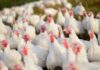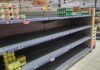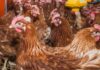

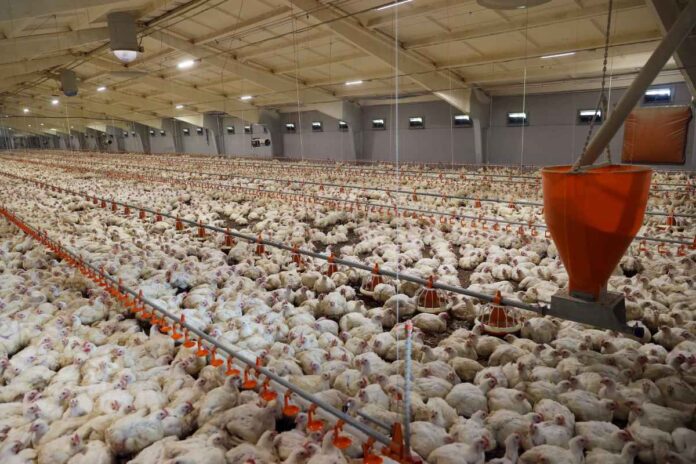
Poultry operators in South Trinidad are facing a critical shortage, receiving up to 50% fewer birds than usual, forcing some businesses to reduce staff or temporarily close their doors as chicken prices surge.
The shortfall has been ongoing for several months, with suppliers reporting dramatic reductions in weekly volumes. At the Lallbeharry Chicken Depot, a source confirmed the business previously sold about 7,000 chickens per week but is now receiving between 3,000 and 4,000 birds. At least one poultry depot in Penal has limited customers to two chickens each.
Prices surge as supply tightens
The retail price of chicken in parts of South Trinidad has increased from about $5.99 to as much as $9 per pound. The shortage has also resulted in smaller birds reaching the market, compounding the challenge for both retailers and consumers.
“Sometimes we have to close because we’re not getting any supplies right now,” said Jitta, a poultry depot operator. Customers confirmed difficulties sourcing chicken, with at least one depot limiting purchases to two chickens per customer.
Multiple factors behind the crisis
According to industry sources and the Ministry of Agriculture and Fisheries, the shortage reflects a combination of factors affecting both imported chick supplies and local production.
International supply disruptions: St Mary’s Hatchery owner Vijay Bhagwat said that his supply of chicks from the United States had declined significantly. He attributed part of the wider supply disruption to international factors, including avian influenza outbreaks that have affected breeding flocks in several countries. According to Bhagwat, these disruptions have affected the local fertilised hatching egg market and reduced the number of chicks available for export and import.
Bhagwat also said that import constraints from the United States had limited the ability to supplement local shortages, with suppliers reporting reduced availability even at short notice.
Heat stress on local production: Extreme heat has also put additional pressure on local poultry production. The Ministry of Agriculture and Fisheries said exceptionally hot weather has affected poultry farmers, with some reducing the number of birds placed on farms to protect bird welfare, limit heat-related losses and maintain healthy growth.
Customers have also attributed part of the shortage to heat stress. One customer, Franklyn Ramsaroop, said some farms lacked adequate insulation and were therefore unable to maintain normal production levels.
Government response and outlook
The Ministry of Agriculture and Fisheries says the current tightening in chicken supplies is temporary, with availability expected to improve in the coming weeks. Based on current hatchery projections, the Ministry expects an increase in chick availability over the next two weeks, with poultry supplies expected to progressively increase and return to full levels approximately three weeks later.
However, the Trinidad and Tobago Farmers’ Union has warned that the current chicken shortage could recur within the next six to 12 months if key structural issues are not addressed.
Long-term solutions under consideration
To strengthen the sector’s resilience, the Ministry is pressing ahead with new measures aimed at securing a more reliable supply of eggs and day-old chicks for local farmers. Central to the plan is a proposed Public-Private Partnership (PPP) to establish a large-scale poultry breeding and hatchery facility in Trinidad and Tobago.
If realized, the facility would produce fertile eggs, breeder stock and day-old chicks locally for both the broiler and layer industries. Officials say building this kind of domestic breeding and hatchery capacity would reduce the sector’s reliance on imported inputs, strengthen biosecurity and food security, conserve foreign exchange, generate employment and lower the risk of disruptions tied to international supply chains.
Alongside the hatchery initiative, the Ministry is working to diversify supply sources. The Netherlands has been approved as an additional source for hatching eggs and live chicks, joining the United States as an approved supplier.
The Ministry emphasised that simply increasing the number of egg farms will not, on its own, resolve supply shortages. A stable domestic egg supply depends on the strength of the entire poultry value chain, from access to quality layer chicks, feed and feed ingredients, and suitable housing, to reliable water and electricity, veterinary services, biosecurity, financing, labour, transportation, packaging and stable markets.