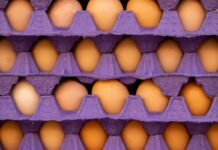

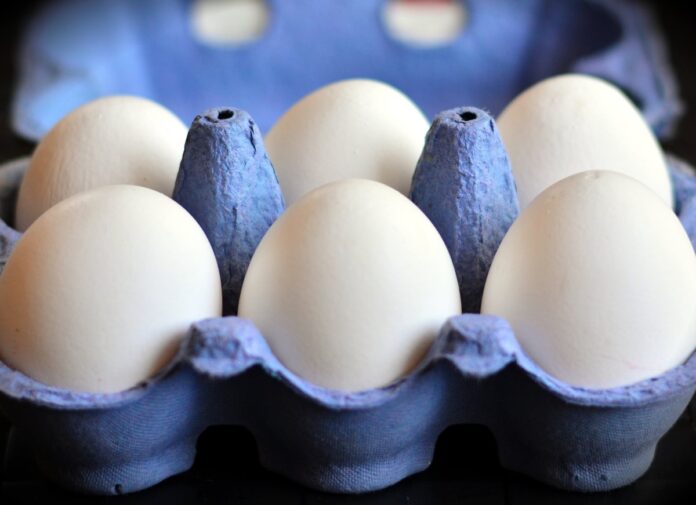
South Korea is set to import about 210 million table eggs from the United States and Thailand in July and August as the country works to stabilise supplies ahead of the September Chuseok holiday. The move comes after highly pathogenic avian influenza significantly reduced layer numbers and pushed domestic output below the level needed to balance demand.
According to the original report, the government is allocating about $67 million to cover transportation, repackaging and other import-related costs. The bulk of the eggs will be sourced from approved U.S. suppliers, with imports restricted to disease-free regions and subject to Korean food-safety approval.
The supply gap reflects the impact of earlier avian influenza losses. RFD News reported that 11.3 million laying hens were culled starting in November 2025, while daily production remained around 46 million to 47 million eggs, below the roughly 50 million needed to keep the market in balance. Retail prices have also remained firm, adding pressure on consumers and food-service demand.
The Korean market has already relied on imports to support supply in 2026. The country brought in 16.5 million eggs during the first half of the year, including around 775 metric tons from the United States, underscoring how trade has become an important buffer when domestic production is disrupted.
For U.S. exporters, the shortfall opens a commercial window, but access depends on disease status, importer approval and registration requirements. As the Reuters and other reports show, South Korea has repeatedly turned to imports during bird flu-related shortages, making biosecurity and market access critical for future sales.