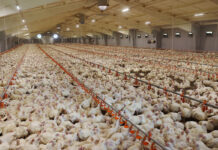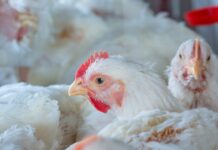


Mexico’s chicken meat production is forecast to grow by around 1% in 2027, following an estimated 8% to 10% increase in poultry production in 2026. The slowdown comes after a year of abundant domestic supplies and pressure on producer margins, according to RaboResearch’s Mexico’s Animal Protein Outlook 2027, published on 12 November.
Production growth in 2026 was driven mainly by heavier slaughter weights, although slaughter numbers also increased. Sluggish demand delayed marketing, keeping birds in the production system longer. Spent hens from laying flock adjustments added to supplies, while imports declined as domestic production increased.
With chicken consumption expected to remain broadly stable in 2027, producers will need to control placements and slaughter weights to reduce inventories. Imports are forecast to stabilise, while a gradual recovery in margins is expected to favour efficient, integrated operators.
Brazilian competition will continue to constrain prices. Competitively priced boneless chicken breast from Brazil remains an important option for Mexican processors and foodservice buyers. Further Brazilian approvals or export volumes redirected from other markets could limit domestic breast meat prices, even if whole-bird prices recover.
Egg production slows after rapid expansion
Mexico’s egg production is estimated to have increased by approximately 6% in 2026, following two years of strong margins that encouraged investment in new facilities and flock expansion.
Producer economics deteriorated during 2026, leading to adjustments in flock sizes. These reductions should moderate production growth in 2027, assuming stable sanitary conditions, but a full market recovery is likely to take longer.
Egg consumption is expected to remain flat, while excess capacity and imports responding to price differences will continue to influence the market. Imports increased in 2026 when competitively priced US eggs created purchasing opportunities for Mexican buyers.
Higher feed costs add pressure
RaboResearch expects average delivered feed costs to increase in 2027. For planning purposes, the report assumes costs generally at or above approximately MXN 5,000 per metric ton for yellow corn and MXN 8,000 per metric ton for soybean meal.
A weaker Mexican peso could raise the local cost of imported feed ingredients, with freight, energy and financing expenses adding to production costs.
The forecast also assumes no additional major avian influenza outbreaks in North America. An outbreak in a major Mexican poultry-producing region could require depopulation, disrupt movements of hatching eggs and chicks, and reduce local supplies of eggs or poultry meat.