
According to the CNPO (National Committee for the Promotion of Eggs), which held a press conference on 12 February 2026 in Paris to review the sector’s activities and present the latest market figures, France is expected to build 575 new poultry houses by 2035 to meet rising demand.
Record consumption and markets under pressure. This could summarize the presentation made by Yves-Marie Beaudet, President of the CNPO, regarding the activity of the egg sector and the latest market figures.
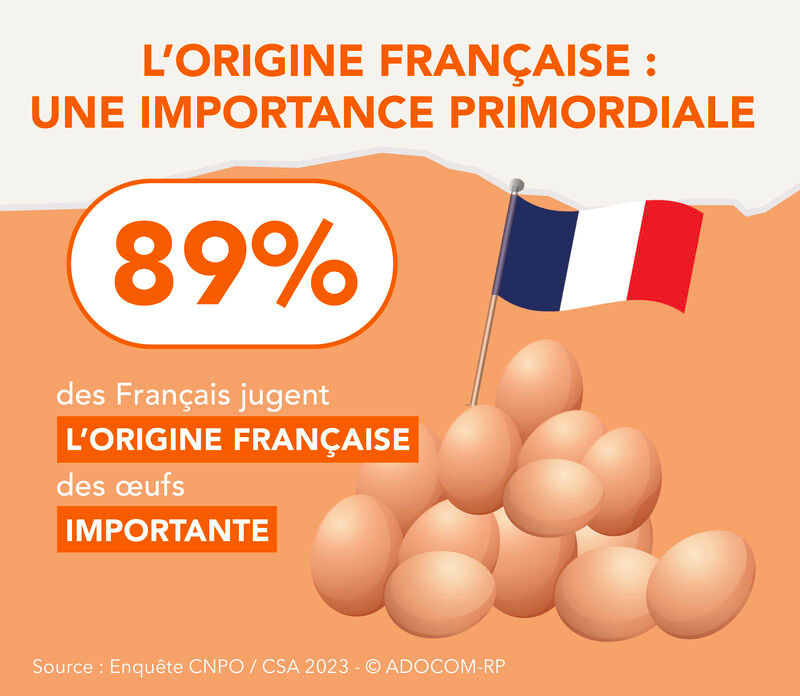
With 237 eggs per capita, data presented by the CNPO show a 5% increase in national demand for overall egg consumption in France – whether in the form of shell eggs or egg products – between 2024 and 2025. Between 2023 and 2025, the Circana Institute estimates that French consumers have increased their in-store egg purchases by 14%, with around 230 eggs sold every second. Nearly nine out of ten French people (89%) cite the “Œufs de France” label, indicating French origin, as being an important selection criterion (see Sidebar 1).
Launched in 2018 on egg cartons, the “œufs de France” logo identifies eggs laid in France by hens born and raised in the country. For 95% of French people, French eggs are a way to support French-made products and preserve French livestock farming. Nearly nine out of ten French people (89%) consider the French origin logo as an important factor in their purchasing decisions.
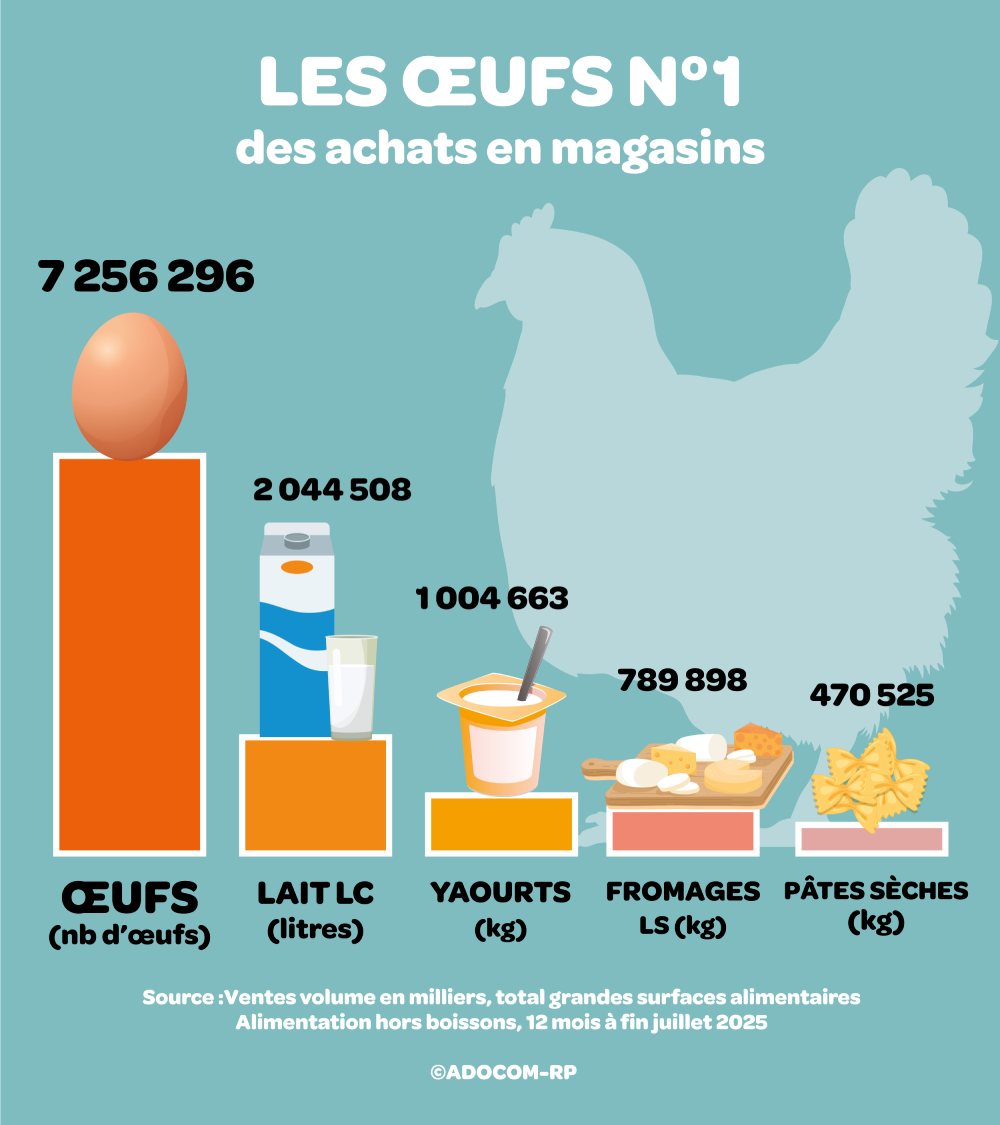
Eggs from barn-laid farms saw a 14.8% increase, Label Rouge eggs a 16.3% increase, free-range eggs (excluding Label Rouge) a 9.8% increase, and organic eggs a 2.1% increase. Since 2023, an additional 300 million eggs have been sold annually in stores, with the total expected to reach 7.3 billion purchased by households in 2025.
Indeed, in an uncertain context marked by reduced purchasing power and a desire to control spending, including on food, French households continue to buy more and more eggs. Eggs remain one of the most affordable sources of animal protein and reduce one’s carbon footprint, while offering a wide variety of culinary possibilities, both sweet and savory.
According to Emilie Mayer, Director of Research at the Circana Institute, “the egg has now established itself as one of the most iconic and popular products in French cuisine”. 96% of French people consider it an essential part of their diet. Over the past 10 years, egg sales in supermarkets have increased by 25%, rising by 1.5 billion eggs to reach 7.3 billion. If the market continues to grow at a rate of 3.5% to 4% per year, 8 billion eggs will be sold in supermarkets by 2028. To meet this demand, the industry must raise its targets.
© CNPO / ADOCOM-RP.
Domestic production under pressure
In 2025, French egg production is projected to increase by 0.8%, reaching 15.9 billion eggs according to ITAVI estimates. To meet rising consumption, industry professionals have mobilized to increase the number of hens on farms: a 3.3% increase in 2025 compared to 2024. To boost egg production, they have also extended the rearing periods for hens, reducing the number of downtime periods required between batches. Meanwhile, France, a pioneer in animal welfare within the European Union, is pursuing its goal of having 90% of laying hens housed in cage-free systems by 2030. By the end of 2025, 77% of French laying hens were kept in cage-free systems. Across the EU, the average share of laying hens in alternative systems stands at 60%, while only 23% have access to outdoor areas.
© CNPO / ADOCOM-RP.
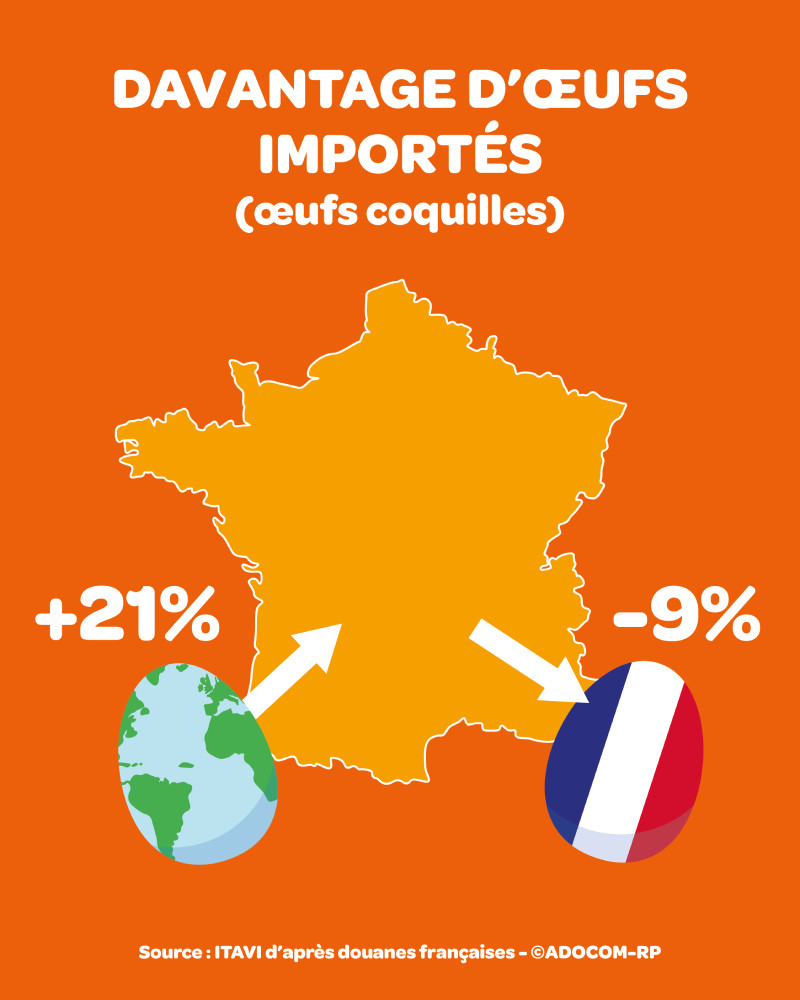
The sector is still far from its target of 101% self-sufficiency. According to ITAVI estimates, after reaching a historic low of 97.2% in 2022, France’s rate is set to fall again in 2025 to 95.8%. In 2025, shell egg imports are expected to reach record levels, with a 21% increase compared to the same period in 2024. Over two years, they have increased by 42%. At the same time, exports are down by 9%. Ukraine remains the EU’s leading supplier of eggs (see Sidebar 2).
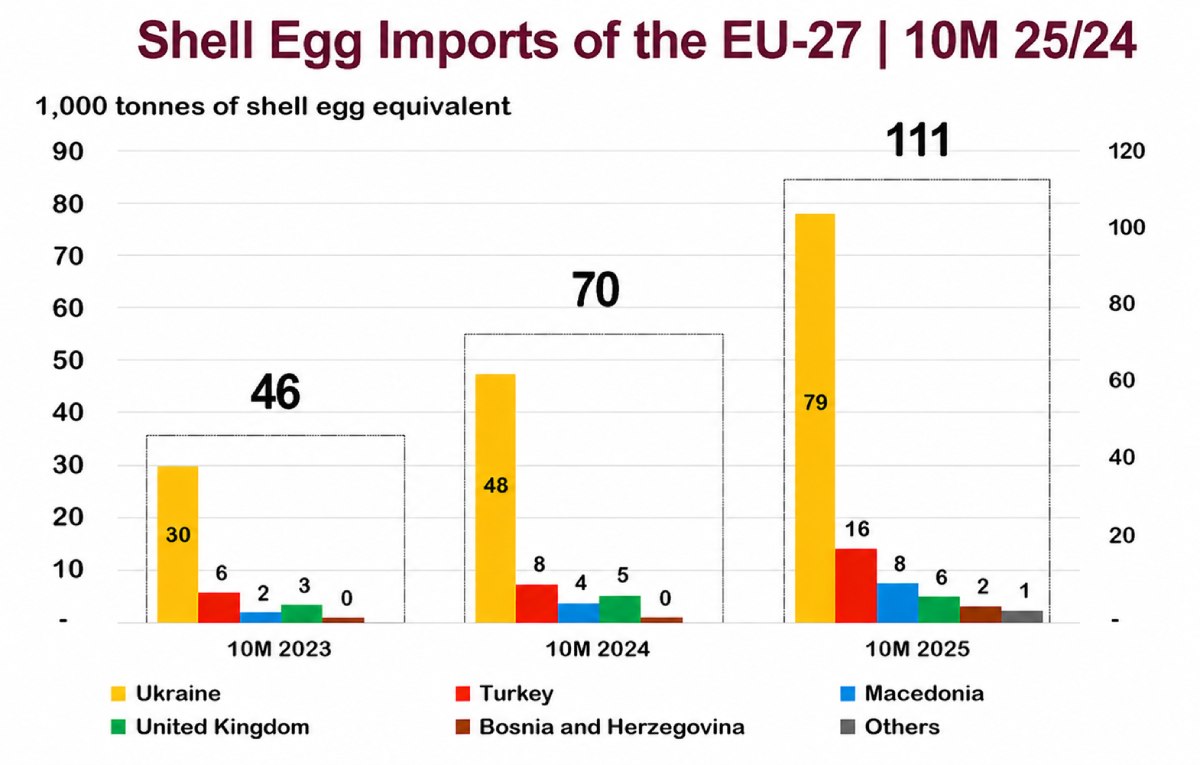
Ukrainian eggs are flooding into the EU, with a 59.4% increase in shell egg imports over the 10-month period in 2025, following an already record-breaking 60% year-on-year rise in 2024. The EU imported 79,000 tonnes of shell egg equivalent (TEOC) over the first 10 months of 2025, compared with 48,000 over the same period in 2024. With seven times fewer imported volumes than Ukraine, Turkey is the second-largest supplier of eggs to the European Union. Its exports to the EU increased by 75% over the 10-month period of 2025 compared to the same period in 2024 (see Graph).
Joining forces to increase production
According to the latest projections, total consumption will average 269 eggs per capita in 2035. In order to keep pace with this spectacular growth and provide a fully French supply response to market demand, the sector has revised its targets upwards. The CNPO estimates that production must increase, requiring the construction of 10 million new laying hen places over 10 years – equivalent to around 575 new poultry houses by 2035, compared with the 300 initially planned by 2030.
© CNPO / ADOCOM-RP.
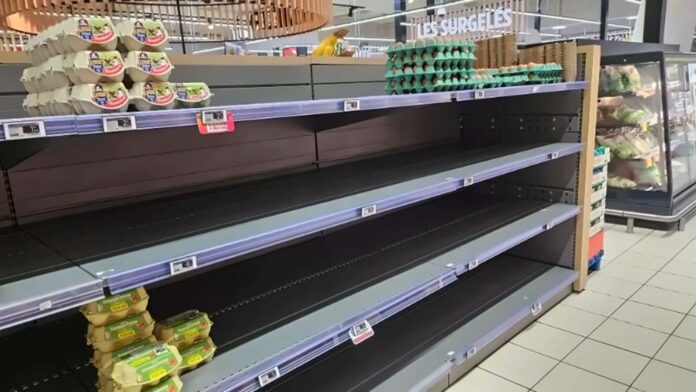
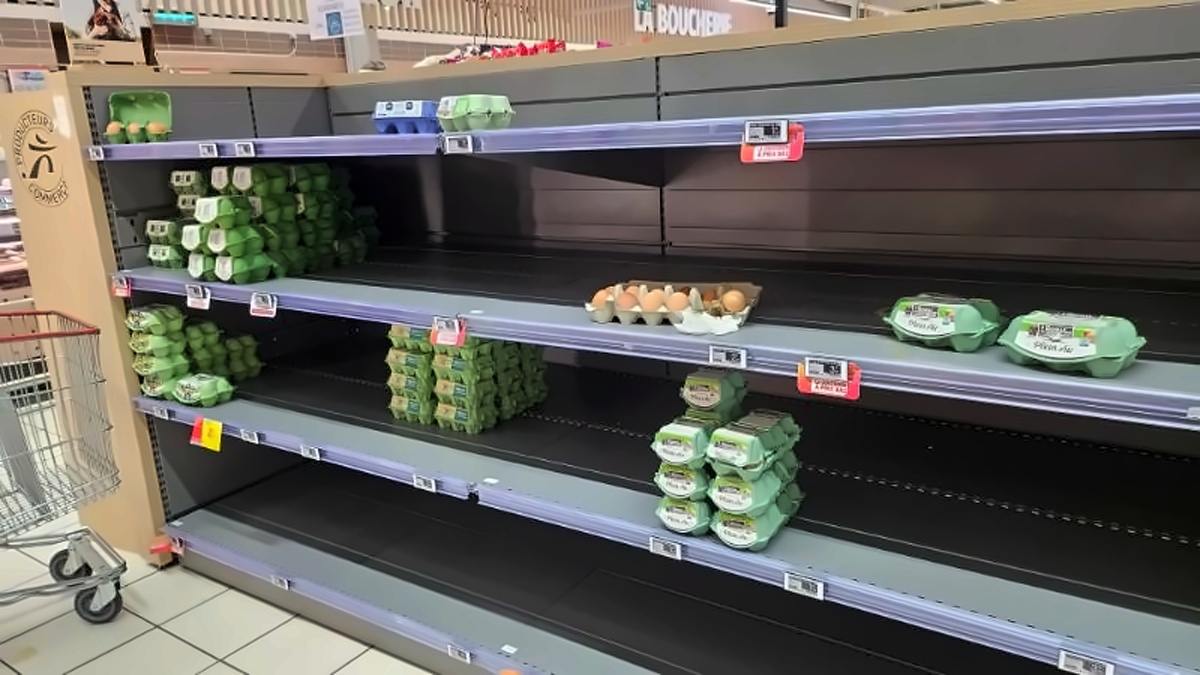
The sector has already registered more than 220 construction projects. 18 of these were launched in 2025, representing an additional 200 million eggs produced annually, and 40 more are planned for 2026, adding 375 million more eggs per year. Therefore, the slight supply issues observed on some supermarket shelves at the beginning of the year should gradually ease by the end of the second half of the year.
 To accelerate the process, the CNPO is calling for support from the public authorities, banks, retailers, manufacturers, restaurateurs and citizens. Only collective action will make it possible to satisfy French demand with eggs from France that meet the country’s expectations in terms of both quality and best practices. The CNPO specifically calls on public authorities to simplify and expedite administrative procedures, and also to combat unfair competition by considering the implementation of new standards and regulations at the European level and by applying mirror clauses to international imports. The CNPO also emphasizes the importance of bank support, which is essential for farmers, since building a poultry house represents an investment of around €1 million.
Sidebar 3 – French egg production key figures
- 237 eggs consumed per person per year
- 16 billion eggs laid in the country
- 1/3 processed into egg products
- 3,000 farmers
- More than 51 million laying hens
- 77% of laying hens in alternative farming systems
Eggs have a bright future ahead of them, as evidenced for the first time in their history by their presence at the Paris International Agricultural Show, which took place from 21 February to 1 March 2026. They shared the stand with the French broiler poultry sector (ANVOL), which enabled visitors to learn more about the specific features of the French model. Due to avian influenza protocols, the poultry exhibit, initially planned for the first time this year, has been postponed until next year.
Source
Agence Adocom-RP press release, La consommation d’œufs bat des records : la filière appelle au soutien collectif pour accélérer la construction des poulaillers, February 2026. https://oeuf-info.fr/la-consommation-doeufs-bat-des-records-la-filiere-appelle-au-soutien-collectif-pour-accelerer-la-construction-des-poulaillers/