
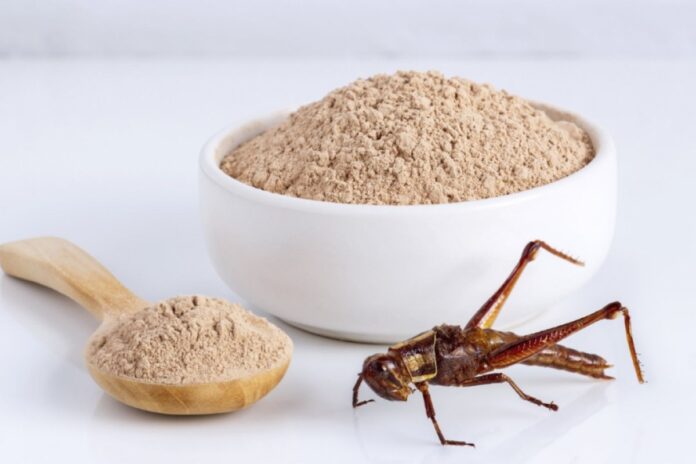
Insect meals are receiving growing attention as possible alternative protein sources for poultry diets. However, it would be misleading to treat insects as a single feed ingredient. Species, rearing substrate, developmental stage and processing method can all have a substantial effect on their composition and nutritional value.
A recent narrative review examined the available evidence on the most widely studied species, including black soldier fly (Hermetia illucens), yellow mealworm (Tenebrio molitor), house cricket (Acheta domesticus) and silkworm (Bombyx mori). The studies covered full-fat and defatted meals, oils, extracts and, in some cases, whole larvae. Since the products and experimental conditions vary considerably, the results are not always directly comparable.
Crude protein is only part of the picture
Insect-derived ingredients can provide protein, lipids, minerals and vitamins. Crude protein content alone, however, is not enough to assess their nutritional value. Amino acid profile, digestibility and actual nutrient availability must also be considered.
Processing plays an important role. Defatting can increase protein concentration and improve product consistency, while excessive heat treatment may reduce the availability of some amino acids.
Chitin, a component of the insect exoskeleton, also requires attention. At moderate concentrations, it has been associated with possible prebiotic and immunomodulatory effects. At higher levels, however, it may reduce digestibility. Its contribution to gut health and immune responses still needs to be better understood, particularly under commercial production conditions.
There are also marked differences in lipid composition. Black soldier fly larvae are generally rich in lauric acid, while mealworms and crickets contain higher proportions of unsaturated fatty acids. The choice of insect species may therefore affect not only the energy supplied by the diet, but also the lipid profile of poultry meat and eggs.
Results depend on the diet
Overall, the available evidence shows that insect-derived ingredients can partially replace conventional protein sources without compromising broiler or laying hen performance, provided that the diet remains properly balanced. Some studies have reported improvements in growth, feed efficiency or selected intestinal and immune-related parameters.
The response is not consistent across all studies. Results vary with the insect species, type of product, inclusion level, age of the birds and overall feed composition. At higher inclusion levels, chitin and changes in the structure, colour or composition of the diet may affect digestibility, feed intake and performance.
The findings on meat and egg quality are also mixed. Moderate inclusion levels generally do not appear to compromise the main quality traits, although changes in yolk or meat colour have been recorded in some trials. One of the studies cited in the review also associated the use of full-fat black soldier fly larvae meal with a higher proportion of saturated fatty acids and a lower proportion of polyunsaturated fatty acids in meat. Product quality should therefore be considered when assessing this ingredient.
From research to commercial use
Production scale and cost remain two important barriers. For insect meals to gain a larger role in feed formulation, production will need to reach sufficient volumes and become more cost-competitive with established protein sources.
Safety is another consideration. Rearing substrates need to be carefully controlled, as any heavy metals, pesticides or other contaminants they contain may accumulate in insect tissues. Heating and drying can reduce microbial loads, but these treatments must form part of clearly defined production processes supported by regular quality controls.
Standardisation is another unresolved issue. Feed formulators need ingredients with predictable specifications, while the composition of insect-derived products can still vary considerably.
Insect meals may therefore offer new opportunities, both as nutrient sources and through the presence of potentially functional compounds. They are not, however, ready-made or universally cost-effective replacements for soybean meal or fishmeal. Their value depends on the product, the inclusion level and the way the diet is formulated. More consistent products and further long-term trials under commercial conditions will be needed to define their role more clearly.
Source: Naeem M. (2026), “Insects in poultry nutrition: nutritional value, functional effects, challenges, and future perspectives”, Bulletin of the National Research Centre, 50:62. https://doi.org/10.1186/s42269-026-01449-0. Published under a CC BY 4.0 licence.