
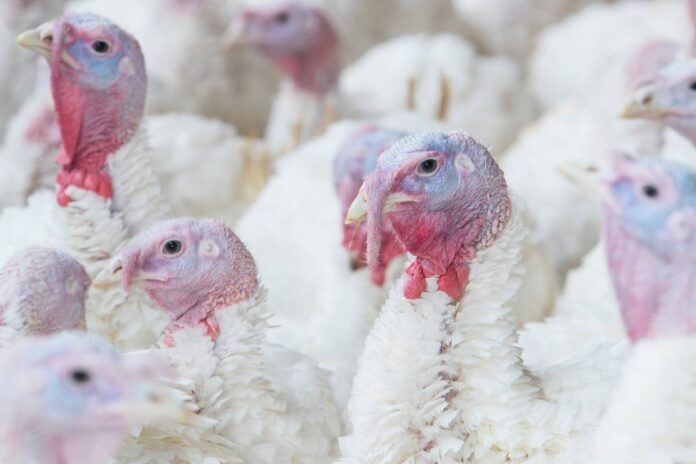
Italy’s Ministry of Health has adopted a pilot vaccination programme against highly pathogenic avian influenza (HPAI) subtype H5 targeting selected turkey and laying hen farms located in the provinces of Verona and Mantua. The plan, which became operational on 5 May 2026, represents a practical trial ahead of a possible large-scale vaccination programme for the Italian poultry sector.
The measure comes at a time when avian influenza has become a recurring challenge in both Italy and across Europe. In recent years, outbreaks have had significant economic consequences for the poultry industry, not only because of compulsory culling measures but also due to trade restrictions applied to poultry and poultry products.
According to the Ministry’s plan, vaccination is considered one of the preventive tools to be integrated with biosecurity and flock management measures. The objective of the project is to collect data useful for evaluating the operational feasibility of a wider vaccination strategy.
Farms involved in the project
The pilot programme will involve:
- three broiler turkey farms in the province of Verona;
- two laying hen farms in the province of Mantua.
These areas were selected because they are considered among the Italian territories at higher risk for avian influenza.
Vaccinated birds will be managed within a closed and controlled production chain. The movement of vaccinated birds to farms not included in the project will not be permitted, except under specific derogations authorised by the competent veterinary authorities. Products originating from the participating farms may only be marketed on the domestic market.
Vaccination protocol
The protocol involves two vaccine doses.
For turkeys:
- a first vaccination at the hatchery on day one using a recombinant HVT-H5 vaccine;
- a booster vaccination with an inactivated vaccine between 30 and 36 days of age.
For pullets:
- a first vaccination at the hatchery on day one;
- a booster between 10 and 12 weeks of age.
The system adopted is compatible with the DIVA strategy (Differentiating Infected from Vaccinated Animals), which allows differentiation between vaccinated and potentially infected birds through specific serological and virological testing. This aspect is considered essential both for disease management and for future international trade relations.
Traceability and enhanced surveillance
The programme includes a particularly strict traceability system.
All vaccination procedures must be recorded within the national veterinary information systems, including:
- REV (Electronic Veterinary Prescription system),
- BDN,
- SINVSA.
Each vaccinated batch will be identified and monitored throughout the entire production chain, from the hatchery to the farm and, in the case of turkeys, through to slaughter.
Enhanced health surveillance is also planned. Participating farms will undergo:
- regular clinical inspections,
- monitoring of production parameters,
- virological sampling,
- serological testing to assess both possible viral circulation and vaccination coverage.
Monitoring activities will be carried out at least monthly under the supervision of the official veterinary services and the National Reference Centre for Avian Influenza at the Istituto Zooprofilattico Sperimentale delle Venezie.
Staff training and biosecurity
The plan also includes detailed operational guidelines for vaccine management. Companies involved will be required to appoint dedicated vaccination teams and ensure specific training for personnel involved in the programme.
Particular attention is given to the correct storage of vaccines, hatchery procedures, and biosecurity measures during vaccine administration.
The Ministry also stresses that vaccination does not replace existing preventive measures. Biosecurity, surveillance, and movement controls remain essential elements in the containment of avian influenza.
A commercial test as well
In addition to its animal health objectives, the project will also serve to assess the possible commercial implications of vaccination and the requirements of importing countries.
The Ministry’s plan refers to the need to understand in advance the conditions that export markets may require should vaccination be implemented more broadly within the poultry sector.
The project is also expected to provide indications on the organisational and commercial impact that a wider vaccination programme could have on the Italian poultry industry.