
UK authorities are investigating an outbreak of Salmonella Enteritidis that, according to the latest update from the UK Health Security Agency (UKHSA), involved 207 confirmed cases and one associated death as of 13 August 2026. Egg consumption is the strongest signal identified in the investigation to date, although the source of the contamination has not yet been established.
The increase in cases was detected on 26 May 2026 by the UKHSA through the analysis of whole genome sequencing data.
All cases fall within the same 5-single nucleotide polymorphism (SNP) single-linkage cluster. According to the UKHSA, this indicates a common source of contamination.
The cases were detected between 11 August 2025 and 1 August 2026, with 206 of the 207 reported in 2026. Most involve people living in England, where 199 cases have been recorded. A further six cases were identified in Scotland, one in Wales and one in Northern Ireland.
Within England, the highest numbers have been reported in London, with 47 cases, and Yorkshire and the Humber, with 38.
Those affected range in age from 0 to 90, with a median age of 30. Females account for 51% of cases, or 105 people. Only six of the 207 cases, representing 3% of the total, had reported travel outside the UK. The evidence gathered by the UKHSA therefore suggested that the outbreak was not associated with international travel.
Most patients experienced self-limiting gastrointestinal illness. However, among cases for whom hospitalisation information was available, 38% were admitted to hospital because of their salmonellosis symptoms. Two people developed bloodstream infections and one death had been associated with the outbreak as of 13 August.
Egg consumption remains the strongest signal
Epidemiological and food chain investigations are continuing to identify the source and origin of the contamination.
By 13 August, 114 cases had been interviewed and had completed either a regional or outbreak questionnaire. Of these, 95, or 83%, reported eating food prepared outside the home during the week before their symptoms began.
The interviews also identified five food businesses attended by two or more independent cases during that period. These businesses are linked to 24 cases in total, 11 of whom reported eating dishes made with eggs.
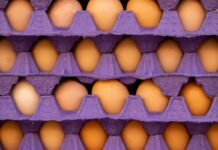
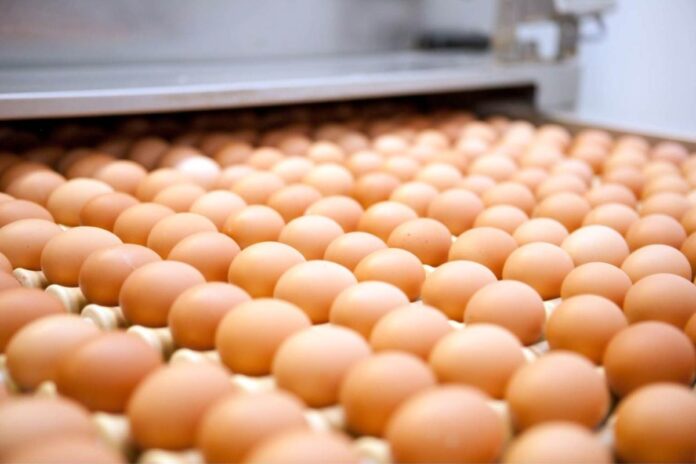
According to the UKHSA, egg consumption remains the strongest signal in the investigation. The businesses concerned received eggs from multiple sources, including egg importers. Possible cross-contamination risks were also identified at two of the premises.
At the time of the latest update, no link had been identified with UK-produced eggs or poultry. The available evidence is not sufficient to establish imported eggs as the source of the outbreak, and investigations into the origin of the contamination remain ongoing.
The Food Standards Agency is working with local authority environmental health teams, which have provided food safety management advice to businesses where issues have been identified.
Link to a 2025 outbreak
The strain involved in the current outbreak is phylogenetically linked, within 25 SNPs, to a previous outbreak in 2025 that was also linked to imported eggs.
The UKHSA, the Animal and Plant Health Agency, the Food Standards Agency and the UK’s devolved administrations are bringing together information from the two outbreaks. The aim is to assess any potential risks associated with imported eggs and introduce preventive measures if necessary.
The outbreak control team has also used the European Centre for Disease Prevention and Control’s EpiPulse platform to notify member countries and determine whether genetically related cases of Salmonella Enteritidis have been identified elsewhere.
Salmonellosis can cause diarrhoea, stomach cramps and, in some cases, vomiting and fever. It generally results in self-limiting gastroenteritis, but young children, older people and immunocompromised individuals may experience more severe illness. To help prevent its spread, health authorities recommend washing hands thoroughly, cooking food thoroughly and, where possible, avoiding preparing food for others while experiencing symptoms.