


Infectious bronchitis virus shuts down cell stress signals
A new study from scientists at The Pirbright Institute and collaborators at the University of Surrey provides evidence that infectious bronchitis virus (IBV) can regulate the...
Bioavailable silicium as feed additive and its beneficial effects throughout poultry production
Silicium is a naturally occurring trace element that supports bone formation, collagen synthesis, and structural integrity in tissues and eggshell membranes. In poultry, dietary...

Biosecurity, before the beginning…
Almost all of us, the poultry people, know what biosecurity is about. For the investors, it means spending lots of money to prevent disasters,...

A diagnostic laboratory perspective for pathogen detection
Detection of infectious diseases can generally be broken down into laboratory detection of the pathogen or detection of the immune response to the pathogen....
First-Ever Report of antimicrobial ase across U.S. broiler chickens and turkeys
Dramatic antimicrobial usage changes and improved antimicrobial stewardship.
The new report shows dramatic reductions of turkey and broiler chicken antimicrobial use over a five-year timeframe....

Get the most from your diagnostic laboratory.
A field perspective.
You notice the
mortality is up this morning in one of your brooder houses. Your first thought
might be “better take some birds to...
Avian cholera: epidemiology, transmission and control measures
Avian cholera remains a significant threat to poultry and wild bird populations. Effective control relies on biosecurity, surveillance and appropriate carcass management measures.
Definition and...
Gut health
Gut health and the efficient conversion of feed into its basic components for optimal nutrient absorption is vital for both commercial and turkey breeder...

Salmonella prevention strategies and influences of sampling method selection
Multiple factors can influence both Salmonella prevalence and diversity of Salmonella serogroups detected from both pre and post-harvest samples. Sampling methodologies vary widely when...
Research examines novel next generation sequencing techniques
USPOULTRY and the USPOULTRY Foundation announce the completion of a funded research project at the University of Georgia in Athens, Georgia, in which researchers...

Salmonella, creating the most undesirable environment
Background
Salmonella non-typhoidal is among the top foodborne bacteria that cause illness within the United States annually.With 1.4 million illness (11% of foodborne bacteria), 19,336...

Study suggests H5N1 D1.1 circulated before its first detection in North America
By the time the H5N1 D1.1 genotype was first detected in the Pacific Flyway during the autumn of 2024, it had probably already been...

Increased cecal butyrate concentrations protect against Salmonella Enteritidis
Butyrate is a molecule that is extensively studied as a feed additive to improve gut health and animal performance. It also has been described...
Gut health in poultry production: why, what and how
Gut health has become a dominant topic in the global poultry industry. But why did the topic emerge to become so important to the...
The importance of gut microbiota in chickens
Recent expansion in knowledge about the influence of microbiota on health and disease started a major research revolution in the area. Intestinal systems of...

Detection and quantification of Gallibacterium anatis and Mycoplasma synoviae
Mycoplasma synoviae is one of the most common preconditions for secondary bacterial infections in poultry. It causes subclinical infections of the upper respiratory tract,...

How a single Avian Influenza protein can increase period of infection
New research led by scientists at The Pirbright Institute has shown how an Avian Infuenza a virus protein, called PB1-F2, is able to shut...

Research shows how Infectious Laryngotracheitis can spread from vaccinated flocks
The research on how Infectious Laryngotracheitis can spread from vaccinated flocks was made possible in part by an endowing Foundation gift from Claxton Poultry...

Heat stress causes inhibition of Eimeria replication in broilers
Eimeria infection is one of the most important diseases affecting poultry production, and is characterized by bloody or watery diarrhea, weight loss, poor feed...

New predictive models for an integrated approach to combating avian influenza
Avian influenza is now recognized as both widespread and costly, with serious implications for animal and human health. Tackling it effectively requires targeted strategies...

The challenges and future of poultry diagnostics
A review of the past helps to frame the future of poultry diagnostics. In the United States, the Land-Grant universities provided a fertile environment...

How do coccidiosis challenges influence lipid digestibility and energy utilisation?
Coccidiosis continues to be one of the most pervasive and economically detrimental diseases in commercial poultry production. Controlling this enteric disease is an even...
Turkey arthritis reovirus. Diagnostic strategies
Avian reoviruses (ARVs). They are non-enveloped viruses of 70-80 nm size having an icosahedral symmetry. The viral genome has 10 segments of double stranded...

Pirbright’s new Avian Influenza vaccine
An improved poultry influenza vaccine has been developed by researchers from The Pirbright Institute. The potential vaccine triggers a rapid immune response which protects...
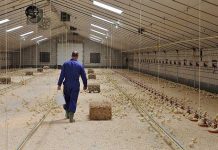
Nutritional strategies against pathogens in poultry
Salmonella Enteritidis and Campylobacter jejuni are the two major foodborne pathogens transmitted through poultry products. Since chickens are the reservoir hosts of these pathogens,...
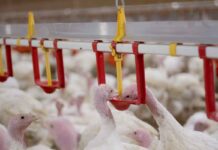
Researchers investigate the characteristics of Turkey Hepatitis Reovirus
USPOULTRY and the USPOULTRY Foundation announced the completion of a funded research project at the University of Minnesota in which researchers investigated the characteristics of Turkey...

Chicken study probes resistance to food bug
Receiving gut microbes from resistant chickens does not lessen chickens’ susceptibility to bacterium that causes food poisoning.
Susceptible chickens became even more susceptible to Campylobacter,...

Update on Infectious Bronchitis in the United States
Infectious bronchitis infections continued to increase this year in the Ontario broiler, broiler breeder and layer sectors.
Infectious bronchitis virus (IBV) can be spread by...

How can we get bird flu under control?
Emergency and laboratory monitoring
Bird flu is affecting an increasing number of birds in the Netherlands, leading to the culling of tens of thousands of...
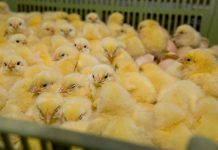
Researchers develop method for making new types of vaccines
USPOULTRY and the USPOULTRY Foundation announce the completion of a funded research project at the U.S. National Poultry Research Center, Southeast Poultry Research Laboratory in Athens,...
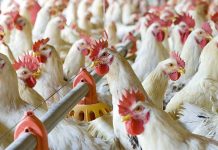
How Necrotic Enteritis affects animal’ welfare and performance
Necrotic Enteritis (NE) affected flocks have poor enteric health and nutrient digestibility leading to decreased performance and increased excretion of nutrients.
Evidence suggests that...
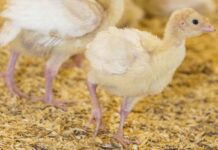
Researchers examine the role of APEC in turkey cellulitis
USPOULTRY and the USPOULTRY Foundation announce the completion of a funded research project at the University of Georgia in Athens, Georgia, in which researchers...

Understanding resistance to different Infectious Bronchitis virus genotypes
In previous experiments, we have challenged major histocompatibility complex (MHC) congenic chicken lines available at UC Davis with an infectious bronchitis virus (IBV) M41...

Mycoplasma Synoviae, a technical update
Mycoplasma are the smallest free-living organisms both in size and number of genes, and unlike many other bacteria, they do not have a cell...