

Flip-overs: causes and solutions in brooding
The poult start is an extension of the hatching process. The whole process, including poult placement, is only as strong as its weakest link.
William...
The impact of anthelmintic resistance in parasites of poultry
USPOULTRY and the USPOULTRY Foundation announced the completion of a funded research project at the University of Georgia in Athens, Georgia, in which researchers...
Higher stocking densities decrease performance without altering turkey meat quality
Quality of turkey meat is important but consumers are also concerned for the well-being of animals raised for meat production. However, some in the...
Biosecurity – practical tips to minimize the human risk of contamination
All poultry operations are under a constant threat from the ever-present enemy of disease and infection. It is imperative in all operations that we...
Maintaining hatching egg quality through good hygiene and handling
The microbiological status of a hatching egg is highest immediately after the egg is laid. The objective, therefore, is to ensure that quality is...
Balancing beetles with the bottom line
Darkling beetles, commonly referred to as litter beetles, are a widely encountered pest for those in the broiler production industry. Litter beetles are holometabolous...
Minnesota Turkey launches 3rd “day in the life of a turkey farmer” video
Minnesota turkey grower Loren Brey of Brey Farms, New Ulm, Minn., was recently featured in “A Day in the Life of a Turkey Farmer”...
Wet litter. Factors associated with the shed micro-environment and litter properties
Wet litter in meat chicken sheds occurs as the result of multiple, interrelated causes. This paper discusses some of the sources of water in...

Cage free pullet management
The conditions in cage free systems differ from the traditional cage housing systems and require a different management approach. Alternative production systems can be...
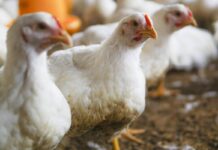
Reducing stress during broiler catching: a practical welfare package with real benefits
The catching phase in broiler production is one of the most critical—and stressful—moments for birds. How this process is managed can make a major...
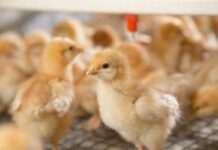
The importance of monitoring chicks water usage
Getting chicks off to a good start is very important to overall flock performance. At no time does a bird grow faster than during...
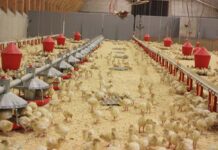
First week management of turkey poults
In commercial turkey production we aim to replicate and improve on what a mother turkey supplies to her young in the wild, this include...
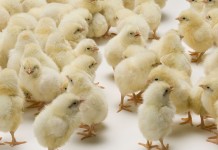
Understanding poultry lighting
A short guide to poultry lighting for layer farmers
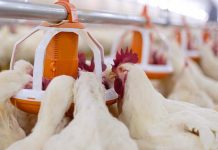
Some basic suggestions to improve breeder management
Dr. Keith Bramwell, a former professor in the Department of Poultry Science at The University of Arkansas, and Hatchery Consultant for Jamesway Incubator Company...
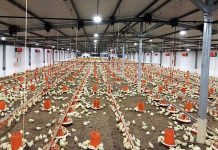
The five principles of broiler brooding for modern broilers
Investing in new technologies, while important, is not the only way to reach top performance potential in broilers. Simple efforts such as paying attention...
Back to basics: we need to concentrate on basic management skills
As we move to using less antibiotics in the production of poultry, many alternative products have been developed. While some are affective in specific...
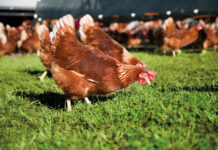
What we do and don’t know related to cage free egg production research
During the early 2000s the pressure was on the U.S. egg industry to increase cage space and to transition from conventional cage systems to...
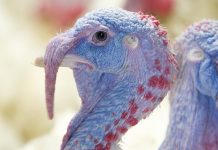
Partially slotted flooring systems for market toms – What are the possibilities?
Avian influenza virus is stable longer in moist and cool conditions. Depending on seasonal and production conditions barn air and litter (bedding) moisture can...
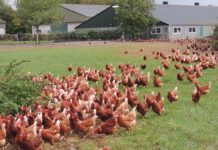
Consequences of outdoor ranging on external and inter-nal health parameters of hens from different...
Free-range layer pullets are typically reared indoors within Australia, but adult layers go outdoors which might cause poorer adaptation due to the mismatch between...
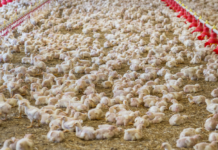
Biosecurity in poultry farming: an effective tool to fight infectious diseases
This is the first of a series of technical articles on biosecurity in poultry farming produced within the European project “NetPoulSafe - Networking European...
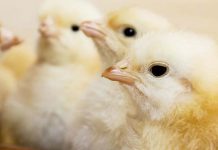
Effects of corticosterone injection at embryonic day eleven on broiler growth and tonic immobility
Elevated corticosterone in ovo can have significant lasting impacts in avian species, including poultry. Stress in broiler breeder hens can lead to elevated corticosterone...
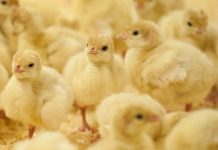
Factors that contribute to consistent quality poult starts
The process of egg production, hatching, processing and delivery of a quality poult are all important and stressful points that impact the lives of...

Diagnostic strategies for the control of avian Mycoplasmas
Mycoplasmas are bacteria without the cell wall which cause infections in poultry especially at respiratory and articular level.
They are the smallest single-celled organisms found...
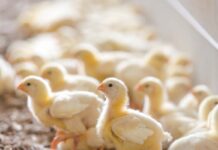
Best practice in broiler house management
How the right technology and proactive management can ensure best practice in housing on broiler farms
In partnership with Cobb, this article examines best practice...
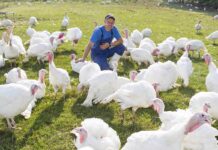
How does your turkey grow?
Predicting how a turkey flock might grow under different nutritional and environmental conditions is a question of interest to everyone involved in turkey production...
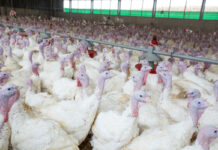
Cost-effective biosecurity management practices
An effective flock health plan must integrate solid strategies for disease prevention, rapid diagnosis, and effective treatment to support poultry health. To attain this...
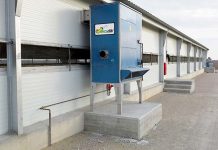
Eco-friendly heating for efficient poultry breeding
The new standards for commercial poultry breeding have been requiring more sustainable, efficient and cleaner technologies. Along with it, the organic poultry production is...
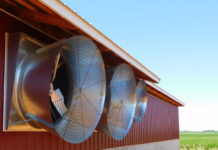
The importance of minimum ventilation and how to calculate it
Providing birds with the correct house environment is key to unlocking the full genetic potential and performance of a flock. Poultry growers often focus...
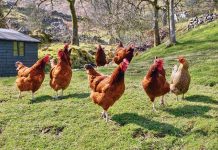
Spent hens: Can we improve their welfare?
The aim of this study was to observe the improvement in welfare indicators of spent hens kept in three different housing systems.
Sixteen Isa...
Navigating an antibiotic-free and reduced antibiotic use poultry industry
Antibiotics are a type of antimicrobial medication used to treat infections caused by bacteria. In the 1930s, a sulfonamide was the first commercially available...
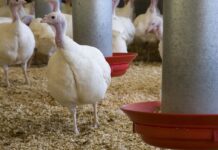
Targeted approaches to achieving good litter quality
Turkeys spend their life in close contact with litter material. The aim is to establish and maintain good, dry litter conditions and an environment...

How to minimize peracetic acid exposure in poultry plants
Peracetic acid has been used increasingly in the food and medical industries as a disinfectant, and its use in poultry processing has further enhanced...
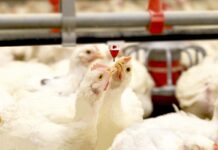
Waterline cleaning between broiler batches: a key to better bird health and performance
Clean water is essential for poultry—not just as a source of hydration but as a vital part of nutrition, digestion, and temperature regulation. In...
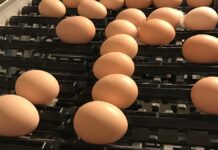
Best practice in egg production
How robust management and proactive measures can drive best practice for egg production on poultry farms.
In partnership with Cobb, this article examines best practice...
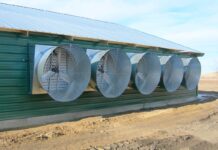
Variable speed tunnel fans
Since October 2017, a study has been underway to examine the use of variable-speed tunnel fans to reduce fan operating cost. The study is...
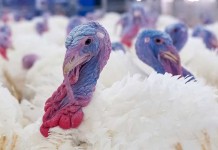
Antibiotic-Free turkey production
The production of turkeys without the use of antibiotics is an increasingly common goal across the globe due to the focus on antimicrobial resistance....
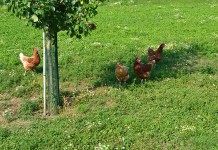
The effect of on-range insect feeding on range usage of free range laying hens
In Australia, on-range feeding of free-range laying hens can be frequently observed and is especially common in mobile sheds. While the biosecurity risk of...
Minimizing interventions for turkey beak treatment in Germany
Germany wants to play a leading role in Europe in poultry and turkey welfare issues. Fundamental changes have been made to husbandry systems during...
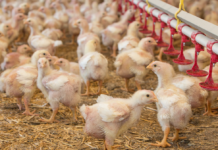
Ammonia control during brooding begins when previous flock ends
The level of ammonia young chicks will be exposed to during the first week of their lives is determined to a large extent by...

Best practice in biosecurity
How to effectively manage and reinforce best practice in biosecurity on broiler farms
This article examines best practice in broiler production, focusing specifically on biosecurity....
Pre-Placement checklist
Pre-placement house preparation should be part of a proper management to ensure future performance of broilers and farm profitability.
The following checklist displays the...
Research shows limited effectiveness for two darkling beetle control products
USPOULTRY and the USPOULTRY Foundation announce the completion of a funded research project at the University of Georgia in Athens, Ga., in which researchers...
Research shows practical method to reduce litter moisture
USPOULTRY and the USPOULTRY Foundation announce the completion of a funded research project at the University of Georgia in Athens, Georgia, in which researchers...
Roxell pan feeder system: the ultimate alternative to beak treatments
Jan Hoving from Zeewolde (NL) tested this Roxell solution at his rearing farm. For him, the decision to use Natural Beak Smoothing was a...
Management of ectoparasites in cage-free housing systems
As cage-free systems become more frequent in poultry production, we are forced to evaluate how pest control measures should adapt to ensure efficacy.
The...
In ovo injection of oregano essential oil at different pH affects hatchability and post-hatching...
The dynamic complexity of the developing embryo requires the maintenance of differentiated compartments with the capacity to maintain independent environments required to optimise their...
Enhancing turkey welfare one step at a time
Researchers of Wageningen Livestock Research have been able to define when a turkey takes a step. This is an important milestone to automating gait...

Poultry litter pasteurisation
Heaping of used poultry litter reliably induces significant elevations in temperature due to the actions of variety of aerobic bacteria and fungi. Temperatures typically...
Brooding
Getting chicks off to a good start is very important to overall flock performance. At no time does a bird grow faster than during...
Performance benefits of probiotic and protease in broilers subject to Eimeria challenge
Consumer pressure and government regulations are driving US poultry industry to remove antibiotic growth promoter (AGP) from poultry production.
Nutrition program including feed additives is...
Economics of broiler production systems in the Netherlands
In 2017, farmers of conventional, slower growing and biological broiler strains had similar incomes. The so-called ‘middle segment’ systems, the Dutch Retail Broiler (DRB)...
Animal breeding reduces environmental impacts
Results of a study show that breeding reduces environmental impacts of animal products by about 1% per year. This is achieved without specific selection...
How to improve indoor air quality in poultry housing
USPOULTRY and the USPOULTRY Foundation announce the completion of a funded research project at Iowa State University in Ames, Iowa, in which researchers provided...
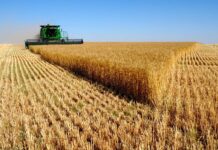
Dietary xylanase improves growth performance and cost savings in broiler chickens fed a corn-soybean...
The increased demand to reduce production costs, as well as concerns about the environment, have resulted in pressure on poultry producers to increase dietary...

Turning Poultry Manure into Power: How Biogas Can Benefit Your Farm and the Climate
As the poultry sector looks for ways to improve sustainability and energy independence, biogas production from chicken manure is proving to be a practical...
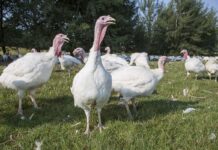
Effects of feed presentation on growth performance and gut health of turkeys
The combined effect of feed presentation parameters bears considerable implications for the digestive health and growth performance of turkeys. This topic is very relevant...
Biosecurity practices and investments implemented by today’s poultry producers
One brick higher
The 2015 outbreak of highly pathogenic avian influenza (HPAI) virus devastated the United States poultry industry. A novel Eurasian-North American H5N2 was...
Management of chicken manure
The laying hen produces an average of 150 to 200 g of fresh manure, which is considered a source of pollution due to the...

Biosecurity: cleaning and disinfection
The first step of any disease prevention program starts with a comprehensive plan for cleaning and disinfecting.
Cleaning poultry breeder houses
The first step of any...
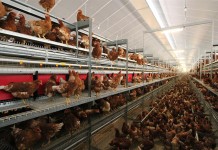
Housing systems in laying hen husbandry – second part
A status report
This analysis is an abridged version of a report which the Author prepared for the International Egg Commission (IEC) in London, UK.
In...
Hot weather management
Hot weather can have a detrimental effect on flock performance and in extreme cases cause heat loss. While you cannot control outside weather conditions,...
Egg bacteriological study
Eggs from 10 commercial brands were selected in different types of housing: cage and on the floor (free of cage) obtained from 4 supermarket...
Salmonella control in broiler breeders
Today, our goal is to control and eliminate all Salmonella species and pathogens from the breeding program. The ability of the primary breeder to...
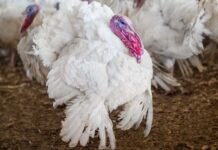
Management best practices: small details can have the big-gest impact
Raising turkeys is equal parts science and art. It involves precise measurement of various factors throughout the life of the flock. It also requires...
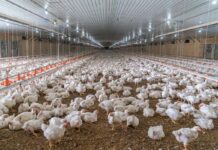
How preheating temperature can affect litter drying
One of the purposes of preheating a broiler house is to ensure the litter is properly dried prior to chick placement. Research has shown...
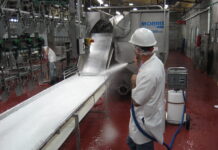
Developing and implementing Sanitation Standard Operating Procedures (SSOPs)
As part of the modernization programs at USDA, FSIS is amending the egg products inspection regulations and is now requiring plants that produce egg...
Broilers perform better with intermittent lighting programs
Roles of certain parts of the digestive tract of chickens seems to have been lost with the evolution of time and commercial practices. Gizzards...
Farmers’ perceived importance of biosecurity practices and actual performance on farm
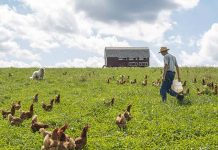
It is prudent in today’s age that farmers uphold high-level compliance of biosecurity practices on Australian commercial chicken farms. This is especially so with...
Controlling water temperature during brooding
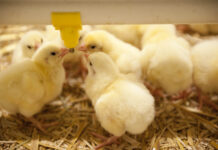
Though there is a wide range of opinions on the optimal drinking water temperature for young chicks, the fact is farm managers actually have...

New technologies in housing, equipment and computer controls
The poultry housing and equipment industry continues to develop, introducing new technologies in line with trends in modern communications and ventilation systems. As expected...
Managing heat and minimum ventilation systems in the broiler house
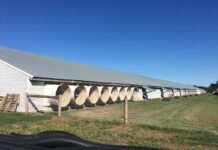
When outside temperatures drop and gas prices rise, maintaining the desired inside broiler house air temperature and ventilating to meet air quality needs can...
Common mistakes in turkeys breeder farms. Part 1
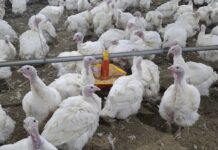
In turkey breeder farms, very different tasks have to be performed in a daily routine, which, both in terms of variety and number, may...
Seminars highlighting innovations in broiler farming
Two interesting specialist seminars for broiler farming were held on the 16th and 17th of November in Visbek and Hamm, Germany. The companies BEST3,...
Breeding for robustness in turkeys
Turkey breeders have invested in selection methodologies to ensure the commercial cross is capable of delivering outstanding performance with good welfare under a variety...
Raising turkeys without antibiotics
Alternative management – paying attention to detail and supportive care strategies can be utilized to produce turkeys without antibiotics in this new era.
Dr. Steven...
Improving hens health and productivity
Scientists at Roslin and two other institutions receive funding from FFAR to improve health and productivity of egg-laying hens.
The Foundation for Food and Agriculture...
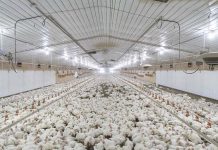
Researchers use laser for broiler house enrichment
USPOULTRY and the USPOULTRY Foundation announce the completion of a funded research project at Iowa State University in Ames, Iowa, in which researchers used...
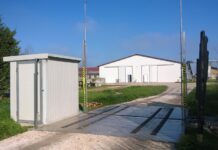
Biosecurity, the basics
By biosecurity we mean those measures aimed at reducing the risk of introducing and spreading infectious agents on farms, i.e. bio-exclusion and bio-containment measures.
Luigi...
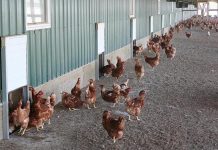
Alternative systems: pros and cons
Alternative production systems of cage-free or range egg production are increasing in number due to outside influences. The outside constituents forcing this growth are...
Warm weather ventilation management
A poultry house ventilation system is arguably the most important management tool for a farm manager to use. As the birds grow and climates...