

Broiler management and feed formulation approaches in hot environments
High temperatures can be an obstacle in livestock production particularly in tropical regions. Broilers are more susceptible to high ambient temperatures because they lack...

Light intensity and led lights
Light intensity can be measured in three ways: luminous intensity, luminous flux and luminous power. Led Lights are here analyzed.
Luminous flux is the total...
The effect of hot and cold hatcher temperature profiles on hatchability and chick quality
An eggshell temperature of 100°F (37.8°C) is widely accepted as optimal for embryonic development from the start of incubation up until transfer time. Eggshell...

Origin of feed ingredients in Dutch compound feeds
Wageningen University and Research (WUR) studied the origin of protein-rich feed ingredients, which in 2018 were applied in Dutch compound feeds. 65% of proteins...
Challenges in poultry feeding
Poultry producers around the world continue to struggle with high production costs for poultry feeding, largely due to volatility in prices for basic feed...
Future of Blackhead Disease in poultry
A turkey health survey of US veterinarians in turkey production ranked blackhead position #13 (#11 prior year) compared to #22 in 2006; the survey...

AAT’s CHEGGY as a tool for in ovo sex determination of layer chicken embryos
A largescale field study
Germany has as first European country stopped by law culling of male day-old chicks from 1st January 2022 onwards. In February 2022,...
Mycotoxins in turkeys
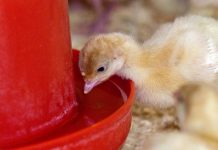
Toxin production requires the presence of a mould, a suitable substrate and a suitable environment. If a mould is present, toxin production is influenced...
A cost-effective solution to partially replace vitamin E
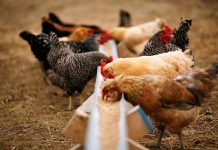
Oxidative imbalance can reduce animal productivity. If severe, it can lead to inflammation, reduced immune function and increased susceptibility to disease. Livestock producers typically...
A synergistic herbal alternative combination: curcumshield vs poultry infections – a broad-spectrum study
Introduction
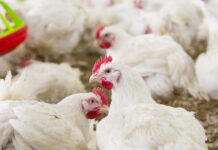
In the case of bacterial infections, various categories of antibiotics – especially synthetic ones – are widely used as broad-spectrum bacteriostatic and bactericidal agents....
Sentinel Birds: An old strategy that can enhance current diagnostic tools
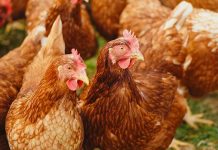
The use of sentinel birds such as specific-pathogen-free (SPF) leghorns has been used extensively to learn about local presence of pathogens in farms, either...
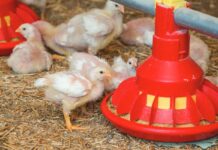
The use of enzymes in broiler chicken diets
The use of exogenous enzymes in broiler nutrition is a well‑established strategy to enhance feed efficiency, reduce production costs, and mitigate the environmental impact...
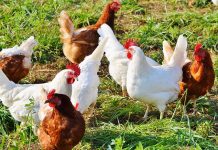
Use of multiple strains of infectious bronchitis vaccines to induce protection against new IB...
USPOULTRY (www.uspoultry.org.) and the USPOULTRY Foundation announced the completion of a funded research project at the University of Delaware in Newark, Del., in which researchers found...

Bacterial bile salt hydrolase for a good microbiota
However, limiting antibiotics use could compromise animal production efficiency and health. Thus, there is an urgent need to develop effective alternatives to antibiotic growth...
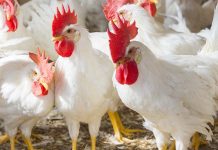
Gut health, intestinal innate immunity and performance
Gut health is a very important determinant for health and performance in particular in production animals. The intestinal innate immune system is pivotal in...
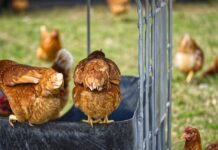
Probiotic Bacillus licheniformis significantly improves layer performance
Adding probiotic Bacillus licheniformis DSM 28710 to layer diets was shown to improve layer performance, both in commercial as well as in research conditions....

Meyn: a look inside the market for deboning and deskinning
The poultry processing market is still on the road to growth. A CAGR of 4.7% by 2020 in USA alone is evidence of the...
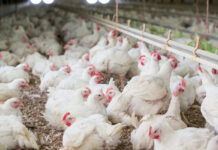
Growth begins in the gut
In the race to replace antibiotics on Canadian poultry farms, some producers have successfully adopted yeast-based prebiotic supplements. But there’s more potential to enhance...
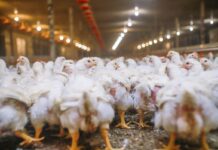
Advancing poultry sustainability to meet 2050 protein needs
Introduction: the 2050 protein challenge
Global demand for animal protein is projected to rise by more than 70% by 2050, driven by population growth and...
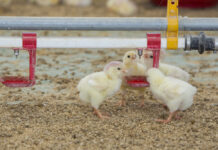
Seeking sustainability in the poultry industry
Becoming sustainable is a must for long-term viability and profitability, and the poultry industry has to meet the needs of the industry, consumers, and...

Collaborative regulatory approach can reduce antibiotic use in animal production
As global concern about the human health threat posed by antimicrobial resistance continues rises, governments continue to introduce legislation to curb antibiotic use in...
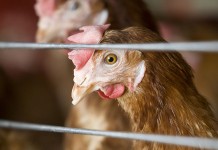
In vivo digestion of GM proteins in laying hens
Despite all of the positive effects of modern technologies to improve corn and soybean yields, the consumer often has a different perception of the...
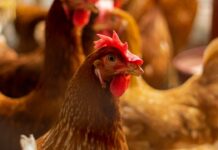
Balancing production efficiency and welfare
Early poultry selection programs for feed efficiency and production traits alone have been proven successful at developing commercial lines of highly prolific layers and...

Diagnostic strategies for the control of avian Mycoplasmas
Mycoplasmas are bacteria without the cell wall which cause infections in poultry especially at respiratory and articular level.
They are the smallest single-celled organisms found...

When the hatchery power supply fails
In a contemporary hatchery all the parameters influencing incubation – such as temperature, humidity, ventilation and the turning of eggs – are based on...

Corn milling efficiency and particle size effects on pullet growth performance
Corn is usually ground locally at the feed mill, while soybean meal is pre-processed and feed mills have little control over its particle size...

Jbt Marel gives you wings. Separate processing for damaged and undamaged chicken wings
Around the world, demand for wing products is strong and growing. In China, the mid-wing is the most popular chicken piece, with five times...
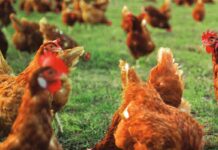
Sustainable animal welfare implementation for more efficient poultry farming
Over the last decades, there have been increasing attempts to implement animal welfare standards within the food production systems, aiming to prevent unnecessary suffering...

Avian influenza diagnostics in foxes provide valuable addition to mammal surveillance
Research by Wageningen Bioveterinary Research (WBVR) and the Dutch Wildlife Health Centre (DWHC) shows that foxes in the province of Friesland can become infected...
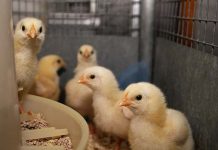
Crude soybean lecithin and vegetable acid oil as energy sources for broiler chickens
Lecithin and acid oil, as co-products from vegetable oil refining process, are economic alternatives to conventional fat sources and may represent an efficient energy...
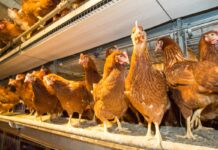
Perch usage in laying hens
Modern poultry farming is seeing a significant shift towards higher welfare standards. This is due to the demand of the public for welfare-friendly products...
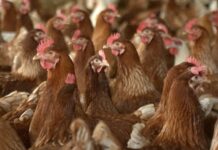
New avian flu outbreak detected on a farm in the Urgell region (Catalonia)
The Government of Catalonia has confirmed the detection of a new case of avian influenza on a poultry farm located within the surveillance radius...
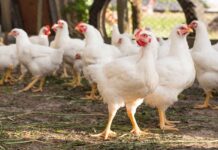
Influence of age on the standardised ileal amino acid digestibility of maize and barley...
Grains are the major energy sources in broilers. However, they also supply about 40% of the total dietary protein and contribute significantly to the...
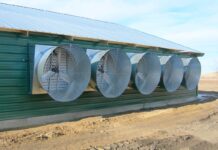
Variable speed tunnel fans
Since October 2017, a study has been underway to examine the use of variable-speed tunnel fans to reduce fan operating cost. The study is...
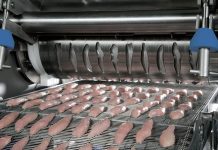
Woody breast in the poultry meat industry
In the U.S., poultry is widely popular by consumers and is the top protein consumed. In the last decade along with improvements in growth...
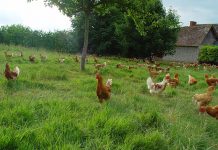
Essential oils – Opportunities to improve food safety in organic poultry production and processing.
Organic poultry – A growing sector with challenges
Poultry is the most widely available organic meat in the U.S. and predicted to have increased consumer...
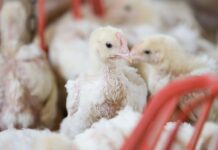
Performance, immunity and blood biochemical parameters of broiler chickens fed diets containing Kappaphycus alvarezii
Kappaphycus alvarezii (KPA) can be incorporated at 1.50% in diets for improved performance, immuno-responsiveness and blood biochemical parameters in broiler chickens.
Introduction
Kappaphycus alvarezii (KPA) is...
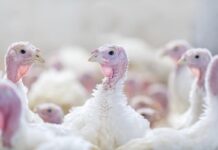
A correct lighting is essential in poultry houses
Many poultry producers appreciate the importance of light in maximising performance. Whether chickens or turkeys, laying hens, commercial growers or parent stock, all poultry...
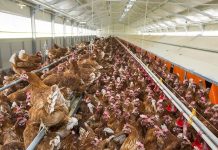
Spotty Liver Disease in cage-free brown laying hens
Missouri has a large amount of egg production that uses alternative housing methods such as cage-free farming. The development of the alternative systems began...

CAS technology is emerging as the harvesting solution of choice – Working on animal...
CAS helps reduce the stress in animals. This is a humane approach and many poultry companies are starting to take note. Animal well-being extends...
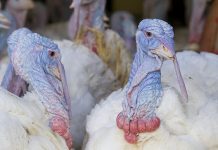
Minnesota Turkey launches 3rd “day in the life of a turkey farmer” video
Minnesota turkey grower Loren Brey of Brey Farms, New Ulm, Minn., was recently featured in “A Day in the Life of a Turkey Farmer”...
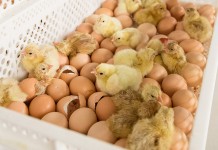
Chick quality monitoring and diagnostics
Evaluation of chick quality in the hatchery and mortality in the field can be used to identify general problem areas: the incubator, the hatcher, or the environment after hatch.
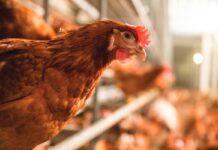
Bioavailable silicium as feed additive and its beneficial effects throughout poultry production
Silicium is a naturally occurring trace element that supports bone formation, collagen synthesis, and structural integrity in tissues and eggshell membranes. In poultry, dietary...

Understanding egg quality
Egg quality is multi-faceted, with physical, functional, and microbial aspects contributing to egg quality. Research has shown that many factors impact egg quality including...

Additivity of ileal amino acid values of sorghum with different protein sources
Sorghum is used widely in Australian poultry diets, primarily as an energy component. It is usually fed in diets that contain wheat but may...
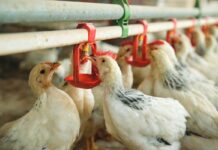
Management of drinking water and vaccination procedures: a strategic pairing for effective immunization
Vaccination via drinking water is one of the cornerstones of modern poultry production and accounts for the majority of immunization procedures carried out during...

Healthy water, healthy birds
Since birds consume as much water as feed providing a clean, safe and sanitized water supply is crucial for assuring modern poultry flocks perform...
Macroscopic lesion scoring correlates with gut morphology changes in a newly developed dysbacteriosis model
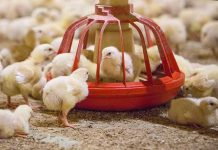
Conventional broilers often experience intestinal problems between 20 and 30 days of age, caused by a microbial imbalance in the gut, which is referred...
Using a multi-protease enzyme in poultry diets to improve broilers performance
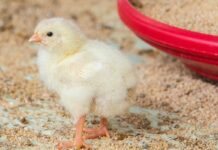
The present study investigates the effect of protease on the productivity of broilers under reduced crude protein (CP) and amino acid (AA) diet conditions....
Red mite problem greatly reduced with Q-Perch
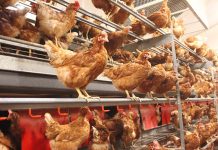
Red mites are parasites that are found on average 83% of the European poultry farms. They weaken the laying hens, which can lead to...

Poultry expertise at IDEXX
In a rapidly evolving poultry production environment with fewer treatment options, disease prevention and identification are more important than ever. Reliable lab diagnostics play...
Shielding wings from injuries
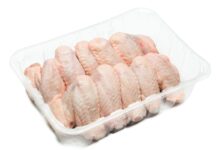
Once considered a low-value byproduct of the cutup process, chicken wings have become a premium cut, making their protection from injuries economically critical. Modern...
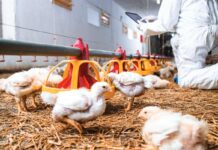
Immune system and nutrition: the balance between immunity and growth in modern broiler crosses
Immune activation is the first stage of the immune response necessary to protect the body. It is accompanied by significant metabolic costs and inflammation....
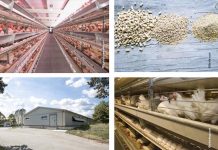
Keel bone integrity in layers – Observations, nutritional remedies, and myth-busting
The issue of keel bone deformities and abnormalities is different depending on various housing systems for the birds. Keel fractures have received a lot...
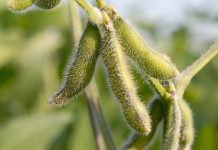
NIRS study on nutritional profiles of 100 soybean meal samples from USA and Brazil
This paper compares the nutrient profile of soybean meal (SBM) samples from the USA and Brazil. Proximate analysis, total amino acids, standardized ileal digestibility...
First-Ever Report of antimicrobial ase across U.S. broiler chickens and turkeys
Dramatic antimicrobial usage changes and improved antimicrobial stewardship.
The new report shows dramatic reductions of turkey and broiler chicken antimicrobial use over a five-year timeframe....
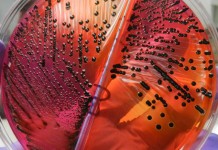
Ability to detect Salmonella vs. Salmonella-Free in poultry processing
Poultry are sampled often for Salmonella during growout on the farm and throughout the processing plant. While on farm sampling is not currently a...
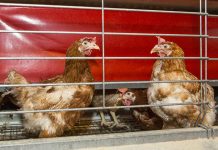
Blackhead disease: development of molecular tests and an in vitro assay to identify reservoirs...
This research project developed diagnostic assays needed for advancing the understanding of blackhead disease. The article shows clearly how the disease most likely spreads...
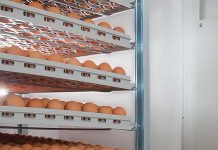
Short-term temperature training in the hatcher improves stress response in broiler chickens?
An alternative approach to improve functional traits alongside with the production efficiency of fast growing broiler chickens provides temperature training in the hatcher (PTT:...
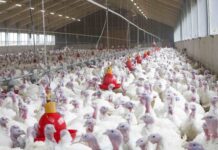
Cecal coccidiosis in turkeys
Cecal coccidiosis is an important disease that affects the cecal integrity of turkeys and may result in watery feces with flecks of blood. In...
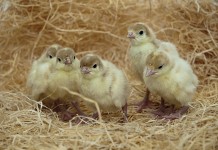
Testing day-old poults
When poults are received at a farm from the hatchery they should be good quality poults; namely, free from physical defects, actively looking for...
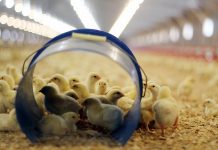
Effectiveness of a double choice test to assess dietary taste preferences in broilers
Investigations into the taste system of broilers can help to improve poultry feeding strategies. However, a comprehensive study on dietary taste preferences for broilers...
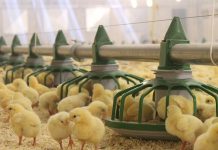
Lowering dietary calcium and available phosphorus in broilers
The aim of this trial was to investigate the effect of lowering dietary calcium (Ca) and available phosphorus (av.P) during Starter (0 to 10d),...
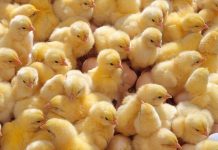
Minimizing antibiotic use in broiler production
Many countries are being asked to reduce or eliminate antibiotic use in poultry, due to growing concerns about the use of antibiotics in food-producing...
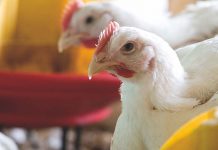
Reducing undigested protein available at the intestinal wall on broilers
An experiment was conducted to evaluate the effects of supplementing an inherently thermo stable protease in broilers fed diets based on single raw materials,...

Turkey Breeding – Making the most of genetic potential
Genetic potential
Successful and profitable turkey production occurs across a wide range of production systems and farming environments. Breed choice, farming facilities, equipment, management, nutrition...
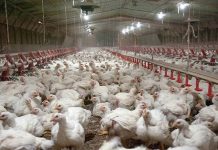
Gut health and Coccidiosis
In poultry, gut health is fundamental and the gastrointestinal tract accounts for twenty percent of the energy expenditure of the whole body. This energy...
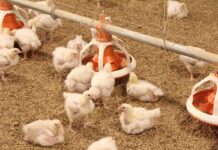
Inclusion of black soldier fly larvae in a meat chicken diet has minor effect...
The caecal microbiota composition of commercial broilers is essential to the poultry industry as it can affect the broiler’s health and performance.
Bioactive components of...
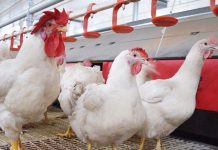
Effect of different dilution rates on fertility of chicken spermatozoa and its storage
Under natural mating, with a ratio of hen:cocks of 8:1 fertility rates are still low. Artificial insemination (AI) technology can be adopted and is...
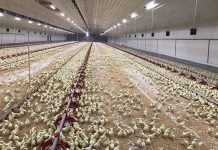
How can the poultry industry fight global warming while improving its bottom line?
Global warming has become one of the most discussed topics in the last decade. Greta Thunberg, an almost unknown Swedish girl, became an international...
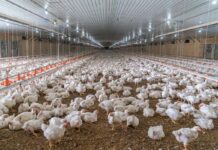
How preheating temperature can affect litter drying
One of the purposes of preheating a broiler house is to ensure the litter is properly dried prior to chick placement. Research has shown...

Marel unlocks new profitable opportunities for convenience poultry production
RevoPortioner with Helix Drum, Active Batter Applicator and RevoCrumb by Marel.
By combining innovative technologies for portioning, batter and crumb, unlocks new profitable opportunities for convenience...

Comparing two ELISA kits
Here a comparison of two ELISA kits as been made to assess their efficicacy.
Recombinant turkey herpesvirus vaccines (rHVT) are being widely used for...
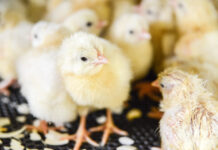
NWO OTP grant awarded to WUR project aimed at head start for day-old chicks
The immune system of a chicken starts in the egg. Validated tools to assess how incubation conditions influence immune development are lacking. A new...

Effective fumigation of hatching eggs to improve hatch results
Microbial contamination of hatching eggs is a main concern of hatcheries as it causes decreased hatchability, poor chick quality, growth and performance. It is...

Expanding feed milling capacity and quality at New Rosendale’s
At a time when the North American feed industry is undergoing a dramatic transformation driven by new rules, heightened market expectations and ground-breaking technology...
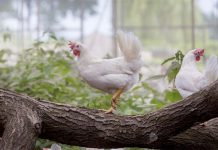
Breeding for a sustainable industry
As a breeding company, there is a misconception that we only select for traits that have a clear, direct economic impact: selection for increased...
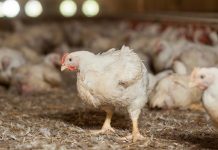
Foodborne pathogens in poultry production
Foodborne pathogens continue as a considerable threat to public health. Intensification of livestock production, especially poultry, facilitates diseases transmission by increasing population size and...

Dietary xylanase improves growth performance and cost savings in broiler chickens fed a corn-soybean...
The increased demand to reduce production costs, as well as concerns about the environment, have resulted in pressure on poultry producers to increase dietary...