

Genetic evaluation of body weight and tibia resistance in broilers
In this study, genetic parameters of important traits related to body weight and bone resistance were investigated in a paternal broiler line. Data from...
Growth begins in the gut
In the race to replace antibiotics on Canadian poultry farms, some producers have successfully adopted yeast-based prebiotic supplements. But there’s more potential to enhance...
Layer nutrition associated with different production systems
The egg industry continues to grow; in the past this was in cage production, but today’s growth is focused on alternative production systems such...
Using a multi-protease enzyme in poultry diets to improve broilers performance
The present study investigates the effect of protease on the productivity of broilers under reduced crude protein (CP) and amino acid (AA) diet conditions....
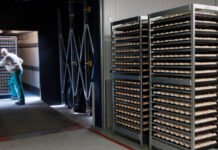
Why the difference?
Eggs from the same source delivered to different hatcheries will often give different results, even though their biological quality was identical and they were...
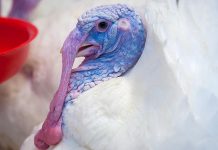
Turkey Breeding – Making the most of genetic potential
Genetic potential
Successful and profitable turkey production occurs across a wide range of production systems and farming environments. Breed choice, farming facilities, equipment, management, nutrition...
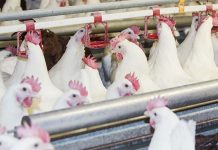
Antioxidants in broiler breeder diets can affect offspring performance
In a series of experiments, it was shown that antioxidants in broiler breeder diets can affect broiler performance trans-generationally. To study this, a polyphenol...
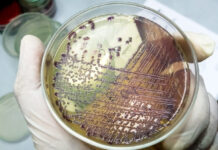
Practical guide for evaluating day-old chick quality: key standards and health monitoring
Evaluating the quality of day-old chicks (DOC) is crucial for successful poultry production. This practical guide outlines the key physical indicators, health factors, and...

Antibiotic-resistance: the contribution of the viruses in GIT microbiome
The GIT, or rather the gastro intestinal tract, is the organ of the all organism mostly colonized by the microbial population: it hosts more...
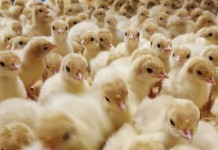
Turkey hatcheries – The past 25 years and the future of single-stage
A quick time travel back to a turkey hatchery in 1992 might show you a frazzled hatchery manager frantically trying to get eggs trayed,...

Evaluation of anti-inflammatory capacities of bacillus-based probiotics using an in vitro intestinal cell model
With the evolution of genetic potential of modern broilers, transforming the large feed intake into protein deposition is a real challenge for the digestive...
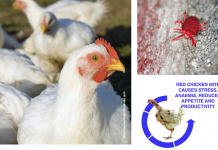
The cost of mycoplasma infection in poultry
Sometimes some Mycoplasma infections cause disease in poultry and this has been extensively studied and worried about by veterinarians, poultry producers and veterinary authorities....
New applications such as superdosing of phytase to maximize phytate destruction to improve performance...
It is well documented that phytase supplementation in broiler diets improves P and Ca utilization through the destruction of phytate (IP6) and thereby allows...

Enhancing biosecurity using flow analysis and Danish entry concepts
The term Danish entry is commonly used to describe entryways to livestock buildings that help people enter barns in a relatively bio secure way...
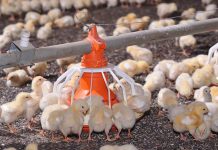
Nutritional implications of antibiotic free rearing of broilers
The gradual reduction in the use of AGP coincided with an increase in the therapeutic use of antibiotics on farm level. Especially in broiler...

Profiling Salmonella serotypes through broiler processing
USPOULTRY and the USPOULTRY Foundation announce the completion of a funded research project at the University of Georgia in which researchers profiled Salmonella serotypes through broiler processing.
The...

Effect of ammonia on the immune response to infectious bronchitis virus vaccination
Commercial broilers in the grow-out stage are commonly exposed to ammonia which can have an effect on infectious bronchitis virus vaccination.
Ammonia concentrations are...
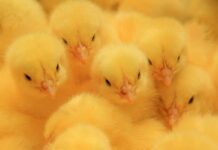
Boosting Chick Health from Day One: The Benefits of Spraying a Gelled Nutritional Complex...
In modern poultry production, the first hours of a chick’s life are critical. Yet, due to the natural spread of hatching over 24 to...

TrayTrack, a unique inline overhead concept for optimum tray logistics
The traceability of trays
Once trays have been filled with product, poultry processors will often be faced with how to transport them to packaging equipment...
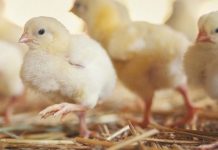
Gene-edited chicken cells resist Avian Influenza virus in the lab
Cobb-Vantress, Inc. / Siloam Springs, Arkansas, USA: In newly released research, scientists from The Roslin Institute have prevented the Avian Influenza virus from replicating in lab-grown...
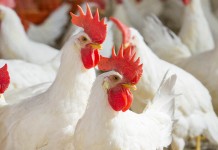
Comparison of wheat and maize-based diets on growth performance and meat quality of broiler...
Maize and wheat are a major source of energy in broiler diets. Generally, wheat-based diets are offered to broiler chickens in Europe, Australia and...
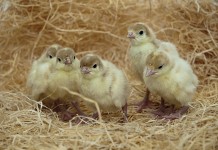
Testing day-old poults
When poults are received at a farm from the hatchery they should be good quality poults; namely, free from physical defects, actively looking for...

Informative Processing School in Malaysia
A highly successful four-day processing school was held in Malaysia for Aviagen® personnel to improve their knowledge and understanding of the impact of the...
Woody breast in the poultry meat industry
In the U.S., poultry is widely popular by consumers and is the top protein consumed. In the last decade along with improvements in growth...
Impact of dietary soluble non-starch polysaccharide levels on the gastrointestinal environment of young broilers
The dietary fibre content of broilers diets is frequently neglected during feed formulation, despite the prevalence of fibrous material in feed ingredients and notable...
The effect of microbial challenge on the intestinal proteome of broilers
In broiler production intestinal health and function is paramount to achieving efficient feed utilisation and growth.
Uncovering the localised molecular mechanisms that occur during the...
Dietary approaches to control Necrotic Enteritis in broilers
Necrotic Enteritis (NE) occurs in broilers due to an overabundance of C. perfringens and is usually associated with predisposing factors which include coccidial challenge,...
Nutritional modulation of broiler intestine in the starter period and intestinal integrity
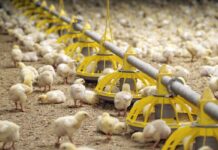
Gut health which is characterized by intestinal integrity, intestinal microflora, mucin and enterocyte functionality, may be of greatest concern among poultry producers because it...
Hybrid Feed – New approach in layer hen feed at start of production
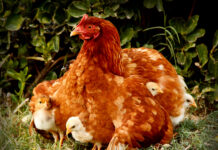
The actual genetic improvements in layer hens are providing the market with a layer hen producing saleable size eggs quicker than before and extending...
Modification of the chicken intestinal epithelial physical barrier in poultry by dietary factors
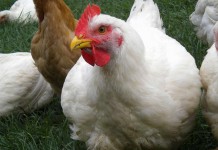
The intestinal epithelial physical barrier is the most critical element of maintaining an intact intestinal barrier and made up of a layer of columnar...
Importance of hatch-time and access to feed on broiler muscle development
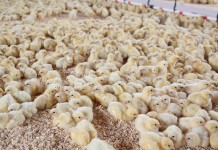
In commercial settings, hatching occurs over a 24-48 h window and chicks are held in the incubator until a majority have cleared the shell.
Earlier...

Sample management and handling for diagnostic testing
Diagnostic testing is an important and widely used tool in commercial poultry husbandry. A key to best use of diagnostic testing, is to begin...
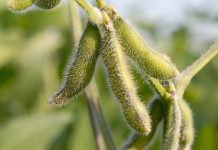
NIRS study on nutritional profiles of 100 soybean meal samples from USA and Brazil
This paper compares the nutrient profile of soybean meal (SBM) samples from the USA and Brazil. Proximate analysis, total amino acids, standardized ileal digestibility...
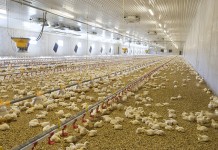
Microbiota studies in poultry
The microbial populations that inhabit the gastrointestinal tract (GIT) of birds play an important role in the establishment and maintenance of a healthy gut....
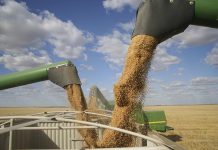
EU grains, oilseeds and feed value chain partners for a sustainable production
EU grain and oilseed trade, crushing and feed industry sectors represented by COCERAL, FEDIOL and FEFAC welcomed the European Commission Communication on Stepping up...
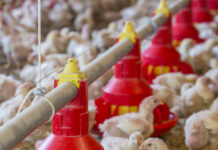
Apparent metabolisable energy of common cereal grains for broiler chickens is influenced by bird...
The current study was conducted to investigate the influence of broiler age on the apparent metabolisable energy (AME) and nitrogen-corrected AME (AMEn) of four...

Biosecurity: protecting animal health to sustain the supply chain
Safeguarding animal health is of paramount importance to any country’s economy and food supply. Livestock with a clean health status is an important requirement...
How much cold pressed canola meal can we use in layer diets?
Canola meal has been available for the layer feed industry in Australia for over 30 years. However, very little has been used due to...
IFIF: Better nutrition for improved animal health
The International Feed Industry Federation (IFIF) underlined its commitment to supporting efforts by the World Organisation for Animal Health (OIE) to strengthen animal health...

On-farm control of campylobacter
Campylobacteriosis, primarily caused by the consumption of contaminated chicken products, accounts for the majority of food poisoning cases in Europe and many other developed...
A synergistic herbal alternative combination: curcumshield vs poultry infections – a broad-spectrum study
Introduction
In the case of bacterial infections, various categories of antibiotics – especially synthetic ones – are widely used as broad-spectrum bacteriostatic and bactericidal agents....
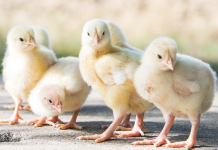
What is good chick quality?
When asking the question “What is good chick quality?”, the responses can be very different based on the person and their role. For instance,...
Dietary energy, digestible lysine and available phosphorus levels influence growth performance and carcass traits...
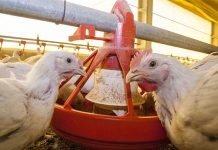
Energy (E) and amino acids (AA) are two of the most expensive components in broiler diets. There is no general consensus regarding the interaction...

Poultry expertise at IDEXX
In a rapidly evolving poultry production environment with fewer treatment options, disease prevention and identification are more important than ever. Reliable lab diagnostics play...
In Vitro evaluation of xylo-oligosaccharide production from different batches of wheat with and without...
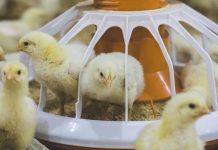
Supplementing poultry diets with xylanase partially depolymerizes the xylans present in the dietary cereals, reducing the number of sugars in the molecular chains. The...
Seeking sustainability in the poultry industry
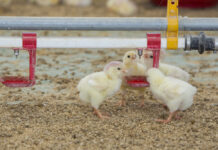
Becoming sustainable is a must for long-term viability and profitability, and the poultry industry has to meet the needs of the industry, consumers, and...
Flip-overs: causes and solutions in brooding
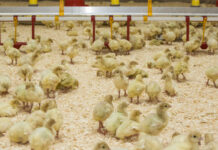
The poult start is an extension of the hatching process. The whole process, including poult placement, is only as strong as its weakest link.
William...
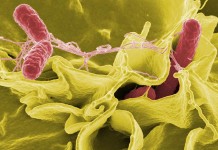
Isoquinoline alkaloids lower the prevalence of salmonella Heidelberg in broiler chickens
Worldwide, tens of millions human cases are reported every year for salmonellosis. This makes it one of the most common foodborne diseases, which can...
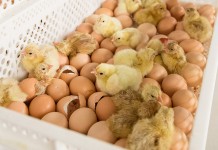
Chick quality monitoring and diagnostics
Evaluation of chick quality in the hatchery and mortality in the field can be used to identify general problem areas: the incubator, the hatcher, or the environment after hatch.
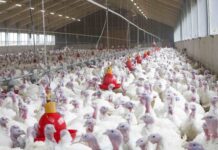
Cecal coccidiosis in turkeys
Cecal coccidiosis is an important disease that affects the cecal integrity of turkeys and may result in watery feces with flecks of blood. In...
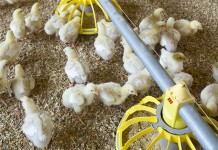
Influence of feed form and particle size on the performance and nutrient utilisation of...
The present experiment was designed to examine the influence of feed form and particle size in maize-based diets on the performance and nutrient utilisation...
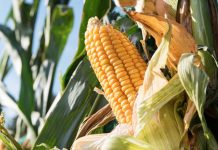
Managing the risk makes the difference in mycotoxin control
A webinar on the results of the 2017 harvest analyses in terms of mycotoxin contamination has been recently held. Two experts on the matter...

How do coccidiosis challenges influence lipid digestibility and energy utilisation?
Coccidiosis continues to be one of the most pervasive and economically detrimental diseases in commercial poultry production. Controlling this enteric disease is an even...

Linear Epitope Mapping of B-cell responses following immunization with Avian Reovirus S1133
Avian reovirus is a causative agents of tenosynovitis and viral arthritis. Commercially available reovirus vaccines do not protect against challenge with emerging variants associated...
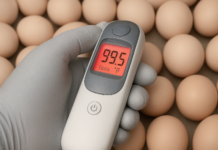
Modern incubation techniques to improve chick quality and uniformity. The importance of chick quality...
The poultry industry has advanced rapidly over the past decades with hatchery management playing an important role in ensuring the successful production of good-quality...

Different incubation profiles for different breeds?
Breeding has powerful effects. Although all chicken breeds originate from the same wild ancestor, they differ dramatically in appearance, physiology, type and metabolic rate....
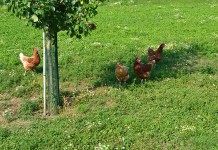
The effect of on-range insect feeding on range usage of free range laying hens
In Australia, on-range feeding of free-range laying hens can be frequently observed and is especially common in mobile sheds. While the biosecurity risk of...
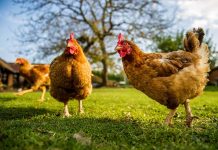
Backyard chickens
Are backyard chickens just a transient phenomenon? Current craze? Foodies’ desire for fresh eggs? Baby boomers or young families wanting to get closer to...
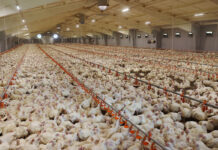
Biological control of Salmonella in the poultry industry: a European perspective
Salmonella remains one of the most important foodborne bacterial pathogens worldwide, and is frequently linked with the consumption of contaminated poultry meat and eggs....
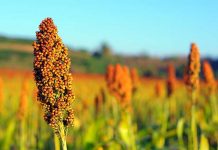
Energy utilization in broilers fed a sorghum-based diets supplemented with phytase and carbohydrases
This study was conducted to evaluate the endogenous enzyme activities and energy utilization of broilers fed sorghum-based diets supplemented with phytase and carbohydrases
Broilers were...

Biosecurity, the basics
By biosecurity we mean those measures aimed at reducing the risk of introducing and spreading infectious agents on farms, i.e. bio-exclusion and bio-containment measures.
Luigi...
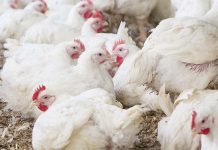
Research shows practical method to reduce litter moisture
USPOULTRY and the USPOULTRY Foundation announce the completion of a funded research project at the University of Georgia in Athens, Georgia, in which researchers...

How Marek’s disease may directly affect the chicken immune system
Marek’s disease virus (MDV) causes disease in chickens and is estimated to cost the global poultry industry up to US $2 billion each year.
In...
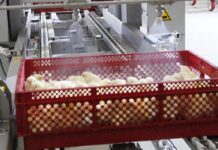
Big problem – simple solution in the hatchery
A hatchery got in touch with me recently about a worrying problem: 3-5% of the newly delivered chicks were dying during their first 3-5...
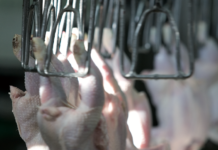
Carcass picking: removing the feathers and protecting the quality
The poultry feathers are non-edible and need to be thoroughly removed during processing. The defeathering consists of moving the carcasses along the picking line...
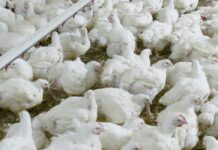
Best practice in feed management
How innovative thinking and a proactive approach can ensure best practice with feed on broiler farms
In partnership with Cobb, this article examines best practice...
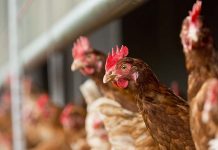
Management techniques for a hot climate
Hot conditions significantly affect the performance of layers, particularly in temperatures higher than 30°C. Getting good technical results requires some adjustments in the management...
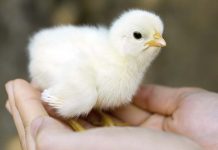
Testing the fertility is important to predict hatching success
Measuring the level of fertility of any batch of eggs is a key factor in hatcheries. Fertility testing may be necessary in order to...
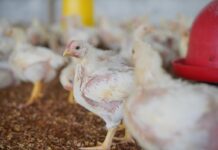
Is biosecurity a driver for improved poultry performance? Experiences from a field trial
Maintaining strict biosecurity is vital in poultry farming, with cleaning and disinfection (C&D) serving as a cornerstone for flock health and performance. On-field evidences...
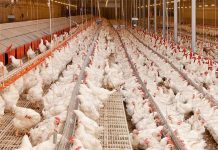
Salmonella control in broiler breeders
Today, our goal is to control and eliminate all Salmonella species and pathogens from the breeding program. The ability of the primary breeder to...
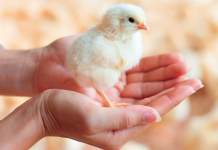
Jamesway’s Webinar talking about the Hatcher
The hatcher is often the forgotten sister of the incubator. Most presentations focus on getting everything right in the incubator, assuming that if the incubation...
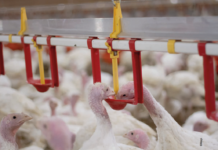
Optimizing immunization through proper vaccination in turkeys
When we talk about optimizing immunization through proper vaccination in commercial turkeys, we are really talking about optimizing drinking water vaccination when we think...
Improving birds’ health by refining their intestinal microbiota health and stability
Intestinal systems of living organisms are inhabited by a dense community of microorganisms dominated by bacteria but also containing archea, fungi, protozoa and viruses....

The challenges and future of poultry diagnostics
A review of the past helps to frame the future of poultry diagnostics. In the United States, the Land-Grant universities provided a fertile environment...
Bio-coating significantly extends chilled poultry shelf life
A new bio-coating technology enriched with natural antimicrobial agents has shown the potential to substantially extend the shelf life of chilled poultry, offering major...
Water disinfection in poultry farms: a low-cost practice with high impact
Water is often overlooked as a source of disease risk in poultry farming. Yet, when it comes to biosecurity, drinking water is one of...
Some common issues of the first week in brooding turkey poults
Turkey poults are very sensitive to environmental conditions and any uncomfortable situation very quickly leads to a problem and even sometimes a disaster. Any...

Optimal fat utilisation by Intra Liposol at broilers
It is difficult - especially for young animals - to optimally digest the range of fats and oils in the diet. This leads to...

A new poultry research center at the University of Bristol
A state-of-the art poultry research centre offering specialist, industry-focused research into both laying hen and broiler health, welfare, behavior and productivity has recently been...
Peak food and our quest for an ethical and ecologically sustainable production
Crude analyses of sustainable global resource use suggest that the peak rate year for commercial poultry production was reached in 2006 while projections indicate...